Crimson High
Play Crimson High
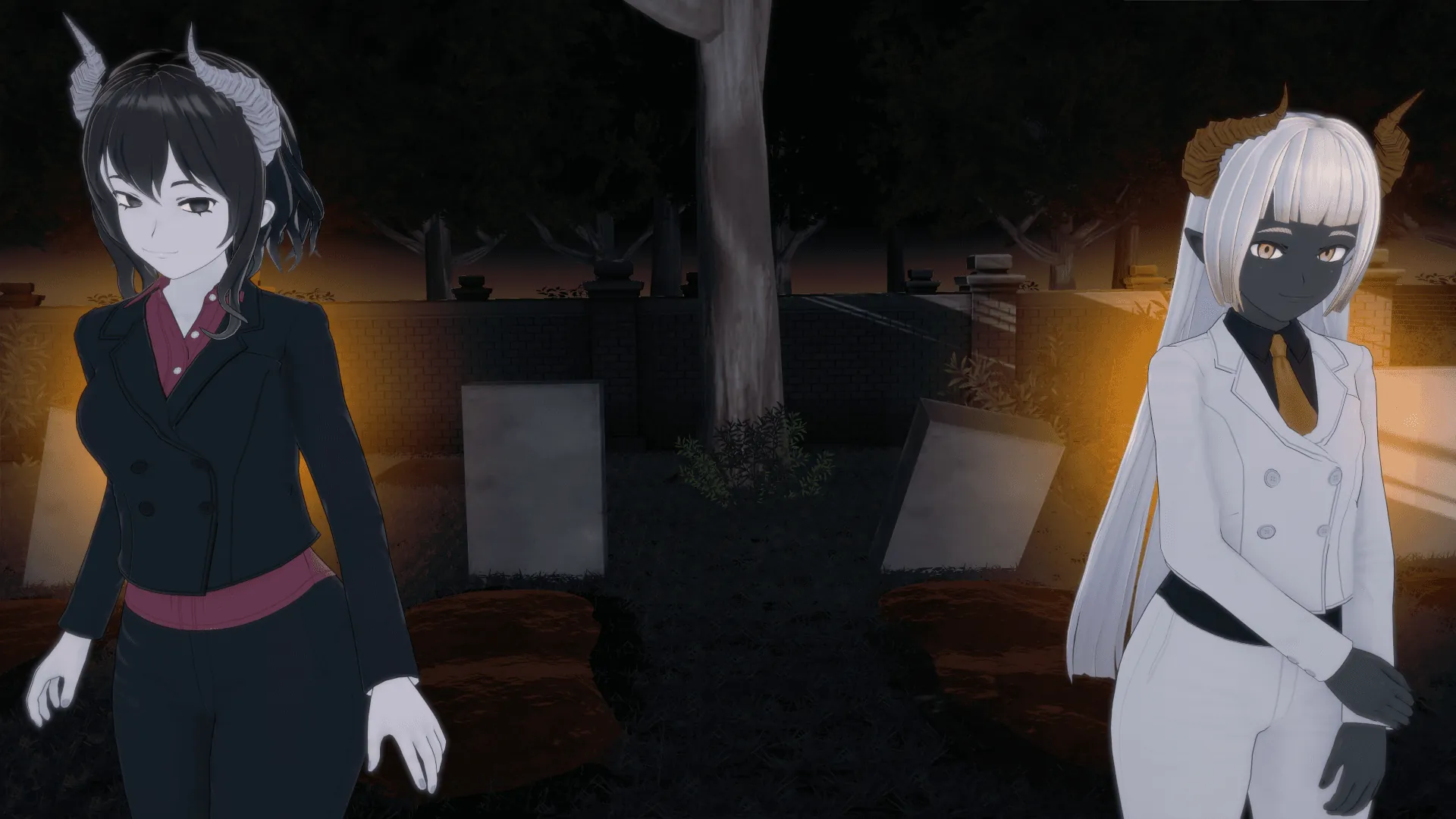
Crimson High Screenshots

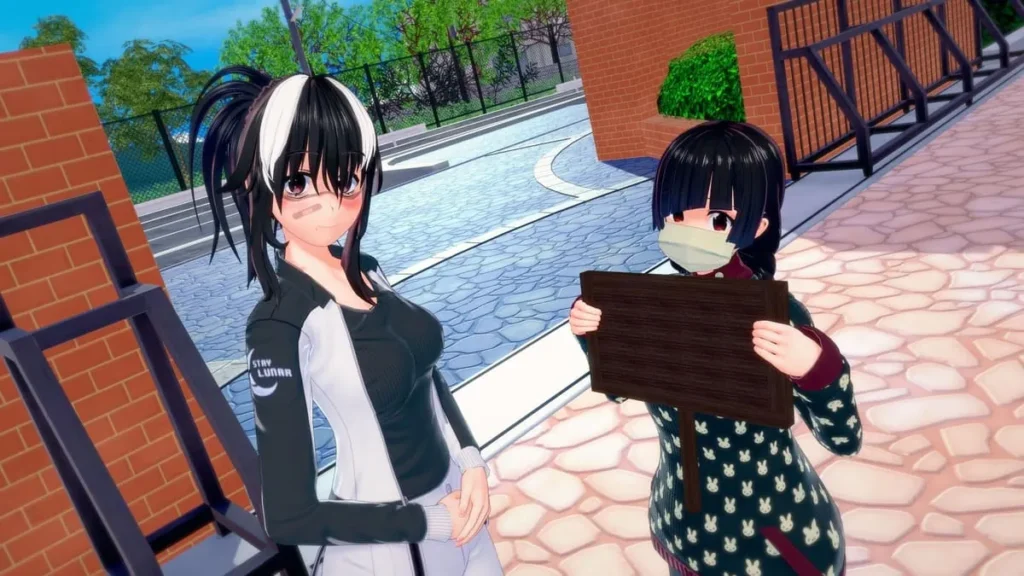
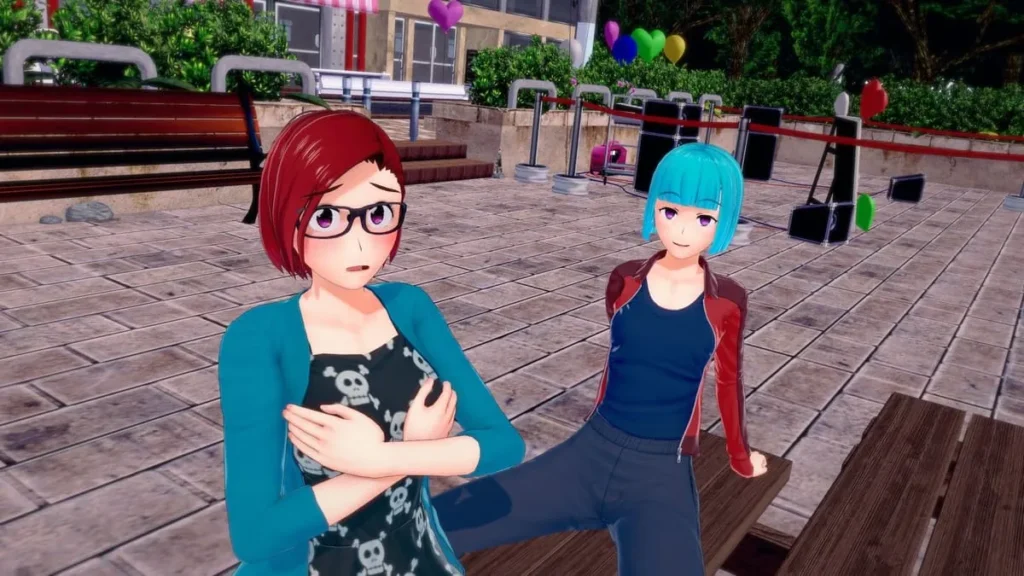
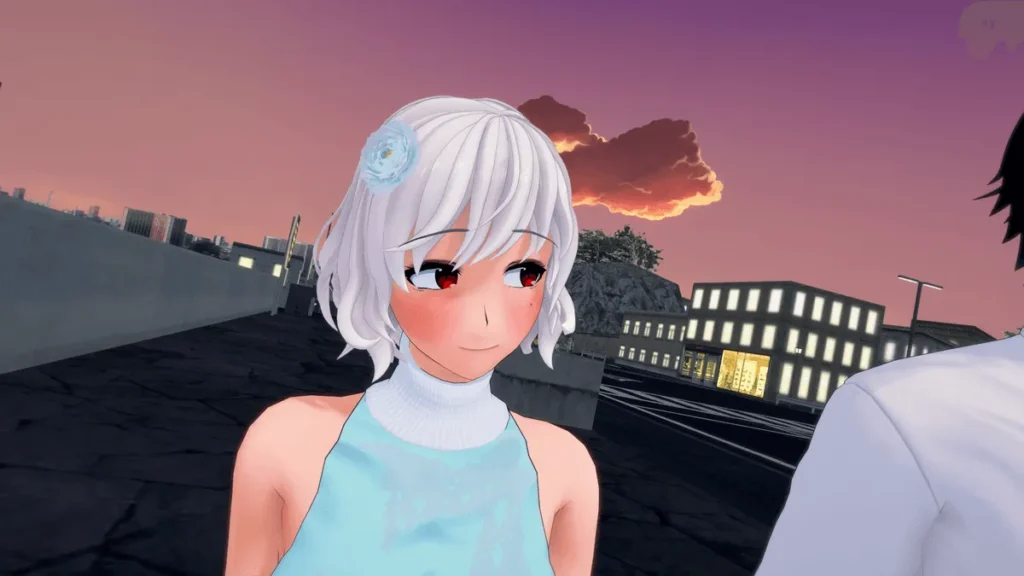
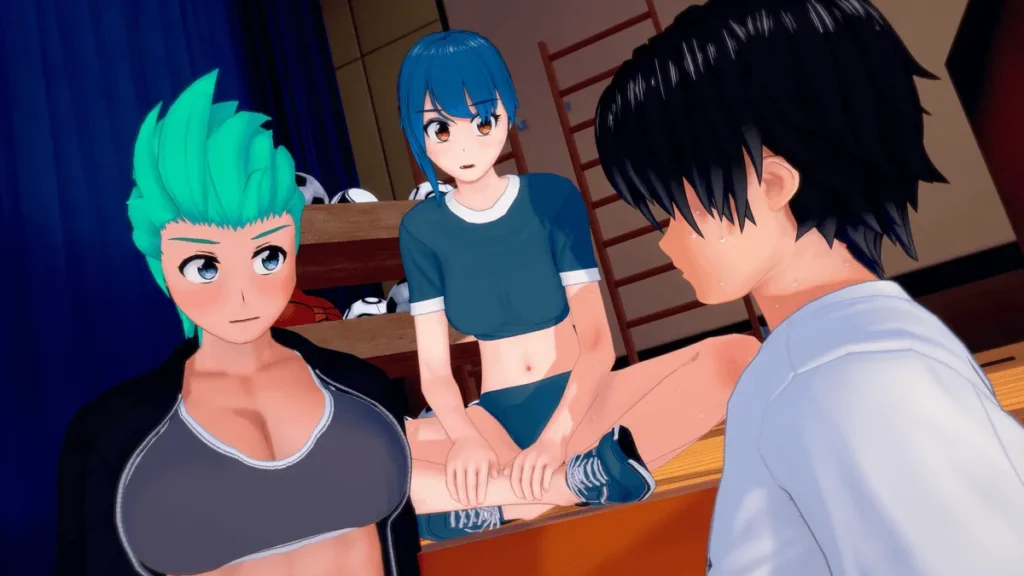
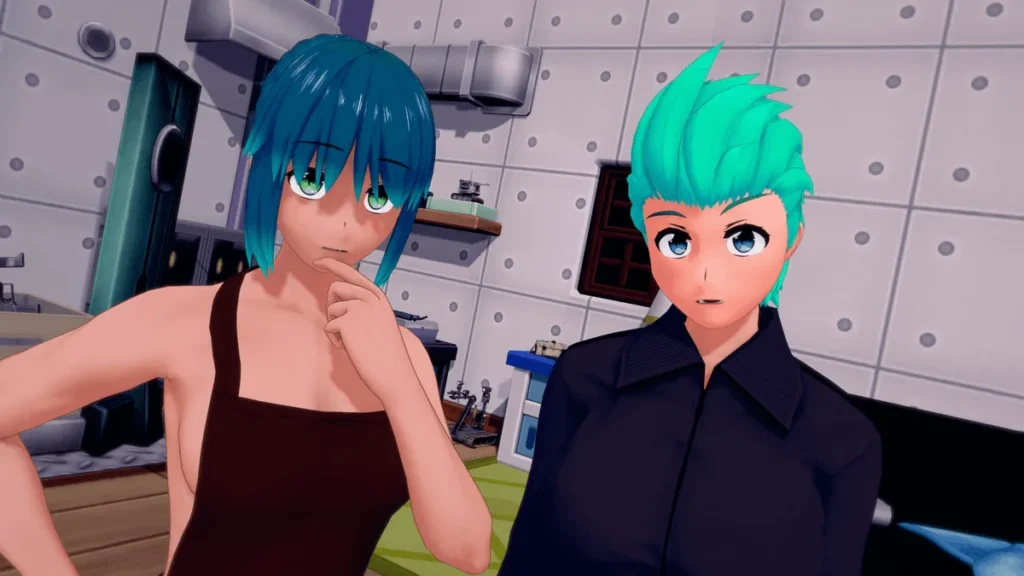
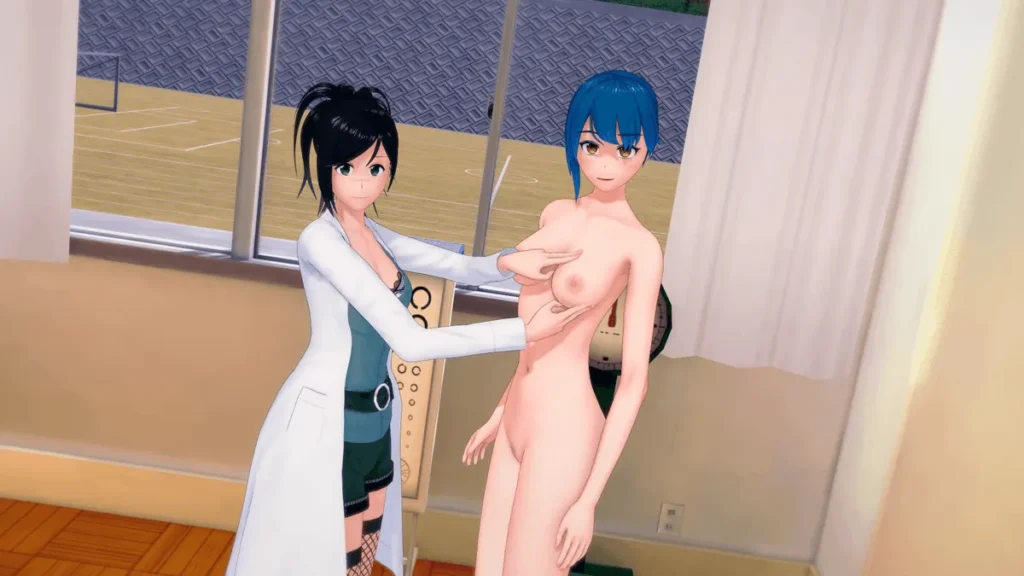
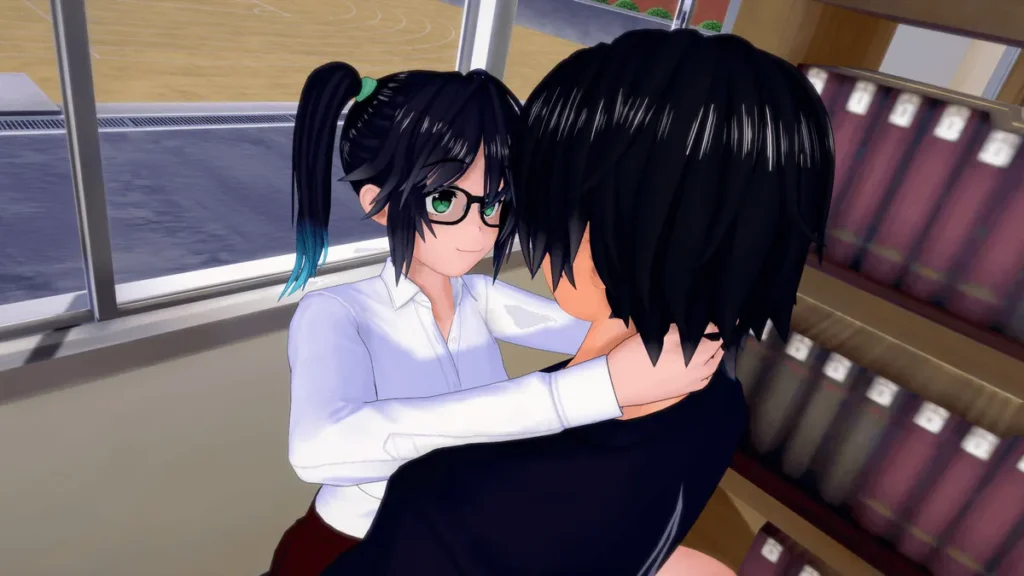
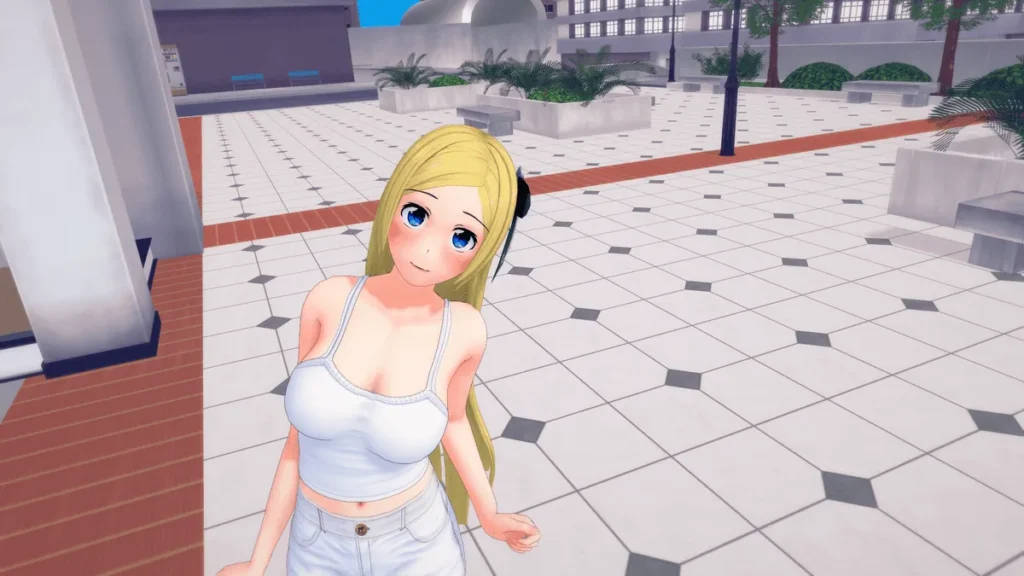
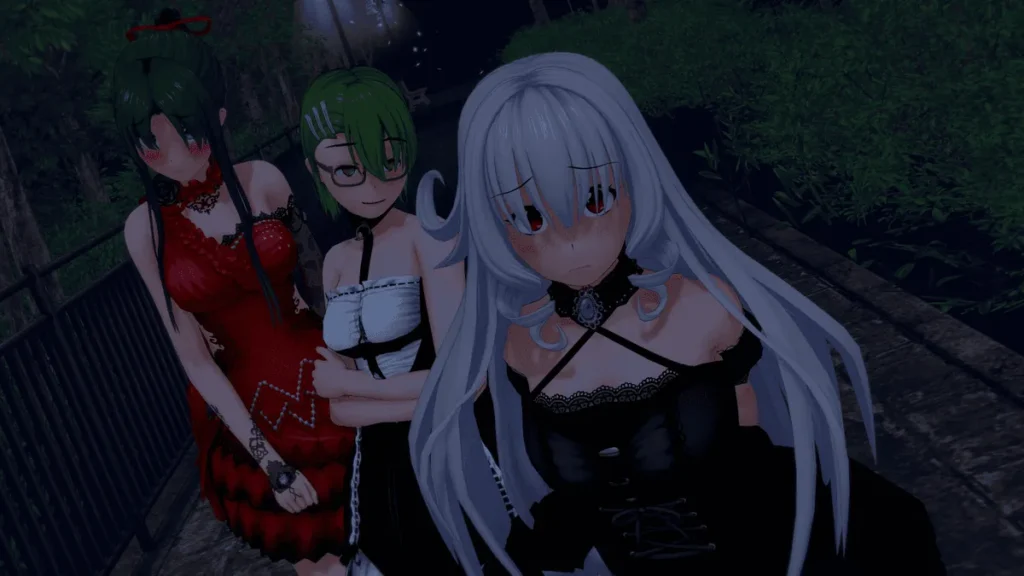
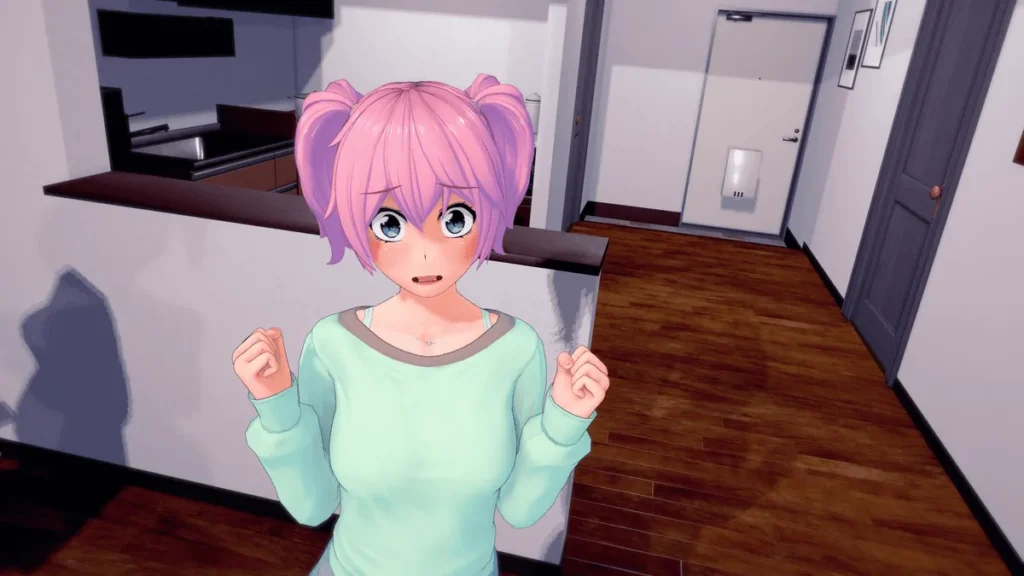
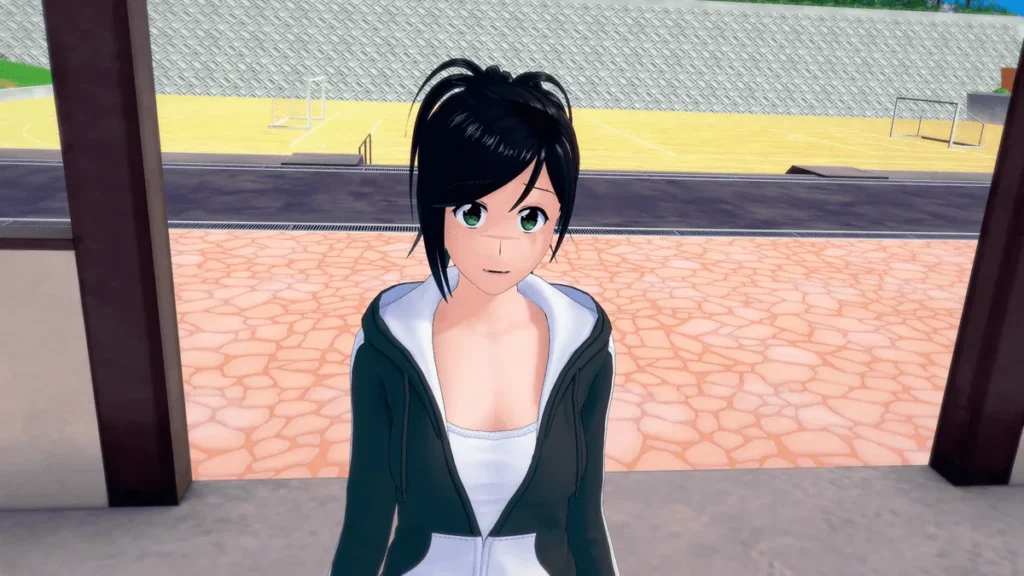
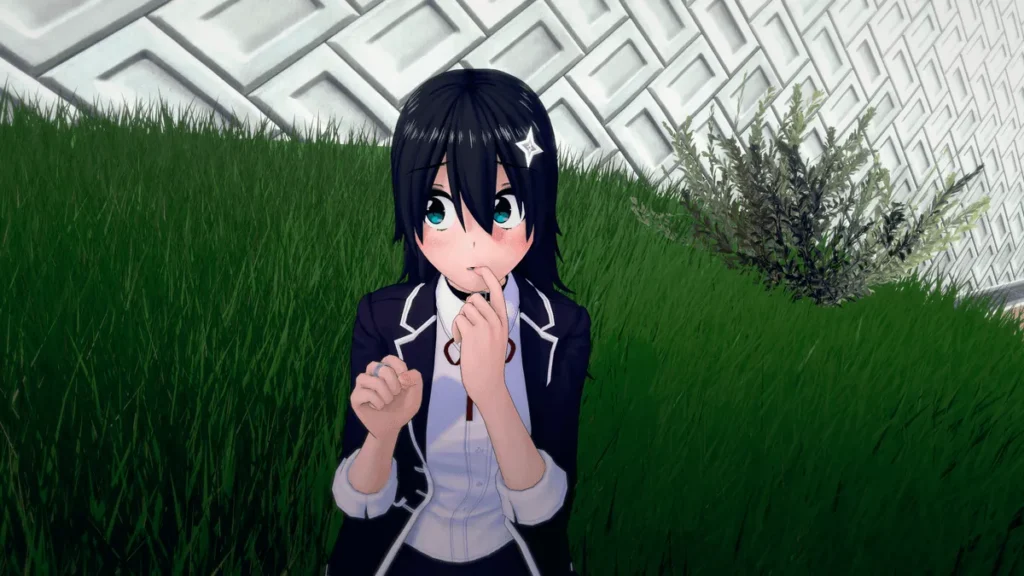
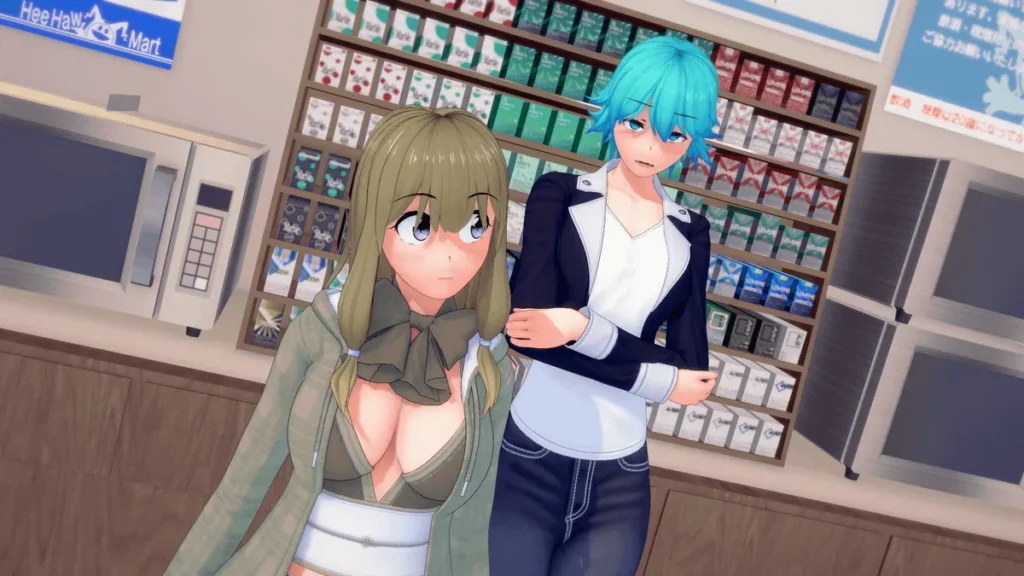
Crimson High review
Everything you need to know about this visual novel experience
Crimson High stands out as a narrative-driven visual novel that combines character development with branching storylines and player choice mechanics. This guide explores the game’s core features, character relationships, and what makes it compelling for visual novel enthusiasts. Whether you’re new to the experience or looking to deepen your understanding of the game’s mechanics and story structure, this comprehensive overview covers everything from character introductions to gameplay elements that define the Crimson High experience.
Understanding Crimson High: Game Mechanics and Story Structure
So, you’ve just started Crimson High and you’re already a little overwhelmed. 😅 The beautiful art, the intriguing premise, the sudden realization that your choices actually matter—it’s a lot to take in! I remember my first playthrough. I was clicking through dialogue, thinking I was just along for the ride, only to reach a pivotal moment in Chapter 2 and realize I’d completely missed my chance with a character I liked. My heart sank! That’s when I knew this wasn’t your typical passive story.
Understanding the Crimson High gameplay mechanics and its visual novel story structure is the difference between feeling lost and feeling like a master storyteller shaping your own destiny. This guide will break down exactly how the game works, from the flow of chapters to the weight of every dialogue option. Let’s dive in and make sure you get the experience you want.
How Crimson High Structures Its Narrative Experience
At its core, Crimson High uses a chapter-based progression system to frame its story. Think of each chapter as a season of a TV show 🎬: it has its own beginning, middle, and end, introduces new conflicts, and deepens ongoing character arcs, all while pushing the larger mystery forward. This isn’t a meandering slice-of-life tale; it’s a tightly plotted narrative where every scene has a purpose.
The game masterfully blends plot-driven content with moments of character bonding. The main plot—revolving around the mysterious occurrences at the prestigious academy—acts as the spine of the story. This spine is made up of mandatory scenes that every player will see. They’re non-negotiable because they contain crucial plot information, key character introductions, and major turning points. You can’t skip the headmaster’s ominous assembly in Chapter 1, for instance. It sets the entire tone!
However, woven around this spine is the flesh and blood of the experience: the optional scenes. These are where character development in visual novels truly shines in Crimson High. Here, you choose to spend your limited free time after school or during weekends. Do you investigate the old library, or accept an invitation to study with a classmate? These choices determine which characters you grow closer to and which subplots you uncover.
The visual novel story structure here is brilliant because it creates a sense of a living world. The main plot advances with or without you, but your personal journey through it is unique. Some players have reported that their experience felt almost like a detective thriller, while others focused on the romantic and dramatic visual novel character relationships. Both are valid, and both are supported by the game’s flexible yet deliberate framework.
Character Relationships and Forced vs. Optional Scenes
This is where things get spicy, and where a lot of community discussion ignites. 🔥 Crimson High features a cast of main heroines and secondary characters, and the game has specific rules about how you interact with them. Understanding the difference between forced character interactions and avoidable scenes is crucial to directing your story.
Main heroines like the student council president, Eliza, or the enigmatic artist, Chloe, have mandatory introduction scenes. The game ensures you meet them as part of the core narrative—their stories are intrinsically linked to the academy’s secrets. Following these introductions, the path to deepening those relationships is largely governed by player choice. You must actively seek out their optional scenes to raise their “affection” or “trust” metrics, which unlock special story branches and endings.
Secondary characters, however, operate differently. You might meet the cheerful club manager, Ben, or the stern nurse, Ms. Valerius, only if you go to certain locations at the right time. Their scenes are almost entirely optional, enriching the world and offering side quests, but rarely impacting the central plot’s conclusion.
The controversy some players mention often stems from a few key, narratively necessary forced interactions with main characters in later chapters. For example, in Chapter 3, a major plot event might force your protagonist into a tense scene with a heroine, regardless of your previous choices with her. Some players who ignored that character feel this is jarring. However, from a narrative standpoint, it makes sense. If a bomb goes off in the cafeteria, everyone present will react, whether you’re close to them or not. These scenes serve the larger narrative, reminding you that these characters have their own agency and stories outside of your influence.
The balance is key. The game uses mandatory scenes to ensure cohesive story pacing and character development that serves the plot, while optional scenes reward your personal investment. It’s about differentiating between what happens to the protagonist and what the protagonist makes happen.
To help visualize this, here’s a breakdown of how the game treats its central cast:
| Character | Role | Introduction Chapter | Scene Type (Early Game) | Narrative Importance |
|---|---|---|---|---|
| Eliza Thornfield | Main Heroine | Chapter 1 | Mandatory | Core to central mystery |
| Chloe Verlane | Main Heroine | Chapter 1 | Mandatory | Tied to occult subplot |
| Maria Rodriguez | Main Heroine | Chapter 2 | Mandatory | Key to historical lore |
| Ben Carter | Secondary Character | Chapter 1 (Optional) | Avoidable | World-building, comic relief |
| Ms. Valerius | Secondary Character | Chapter 2 (Optional) | Avoidable | Provides healing items, side lore |
Chapter Progression and Player Choice Impact
Now, let’s talk about your agency. How do your branching narrative choices actually shape your journey through Crimson High chapter progression? The impact is both subtle and monumental, often depending on when you make the choice.
Early chapters (1 & 2) are about foundation. Your choices here determine which character paths become available to you. They’re like planting seeds. 🌱 Choosing to help Chloe clean up her art studio might seem minor, but it flags the game to start including more of her optional scenes in your future time slots. It doesn’t change the main plot of Chapter 2, but it changes your experience of it.
Chapter 3 is where the story pacing accelerates dramatically, and choices begin to have harder consequences. This is often called the “turning point” chapter. The Chapter 3 development introduces higher stakes and often forces you to align with a particular character’s method or philosophy. The choices here can lock or unlock entire routes. A decision to trust a certain character with sensitive information might close off the path to investigating alone, leading to a completely different set of scenes in Chapter 4.
The game uses a hidden relationship point system, but it’s more sophisticated than just a score. It tracks which choices you made, not just how many. Two players might have the same “affection level” with Eliza, but if one gained those points by supporting her authoritative decisions and the other by challenging her to be more empathetic, their key scenes with her will differ. This creates incredibly rich character development in visual novels.
Your Crimson High chapter progression culminates in a finale chapter that branches into multiple endings based on two key factors:
1. Which main character’s route you have qualified for (or if you qualified for none, leading to the “standard” ending).
2. Critical choices made during the final climax itself.
Pro Tip: Don’t stress about getting a “perfect” ending on your first try! The game is designed for replayability. Enjoy your first run as your authentic story, then go back to explore how different branching narrative choices open new doors. The “New Game+” feature often carries over your glossary and unlocks, making subsequent playthroughs easier to navigate.
Ultimately, the Crimson High gameplay mechanics are a masterclass in giving players meaningful control within a directed narrative. You can’t change the fact that a storm is coming to the academy, but you can absolutely decide who you’ll stand with when it hits. 🤝
Frequently Asked Questions
Q: I missed an optional scene with a character in Chapter 2. Have I ruined my chance at their route?
A: Not necessarily! While some routes require consistent attention, many have a little flexibility. Check your in-game phone or diary menu for character icons; a dimmed icon often means you’re falling behind, but you might still catch up in Chapter 3 if you prioritize them. Focus all your optional time slots on them.
Q: How long is each chapter, and is there a point of no return?
A: Most chapters take 2-4 hours depending on how many optional scenes you pursue. The main “point of no return” for locking in a character route usually happens late in Chapter 3 or early in Chapter 4. The game will often give a subtle warning, like a message saying “Your decisions now will have lasting consequences.”
Q: Do choices in dialogue during mandatory scenes actually matter, or only my time management?
A: Both matter immensely! Dialogue choices in key mandatory scenes can award large chunks of relationship points or shift a character’s perception of you. Time management (choosing which optional scene to attend) determines which characters you can invest in, but dialogue determines how that relationship grows.
Q: What’s the deal with Chapter 3? Everyone says it’s a big deal.
A: Chapter 3 development is where the central mystery escalates from “something is strange” to “something is actively dangerous.” The plot shifts gears, and the game expects you to start committing to a path. It’s the bridge from setup to payoff, and your choices here directly filter which ending branches remain open to you.
Q: Can I experience all content in one playthrough?
A: Absolutely not, and that’s by design! The optional vs mandatory scenes system and the branching narrative choices are built to make each playthrough unique. To see everything, you’ll need multiple saves and different approaches. This massively boosts the game’s replay value.
By understanding these Crimson High gameplay mechanics, you’re no longer just a passenger. You’re the navigator, charting a course through a beautifully complex web of visual novel character relationships and a thrilling, player-driven story. Now go forth—your unique story at Crimson High awaits
Crimson High presents a thoughtfully constructed visual novel experience that balances narrative depth with character-driven storytelling. The game’s approach to mandatory versus optional content reflects ongoing discussions within the visual novel community about how to serve both plot progression and player engagement. Understanding the game’s chapter structure, character relationship mechanics, and the intentionality behind scene placement enhances appreciation for the overall experience. As development continues with upcoming chapters, the game’s commitment to meaningful character arcs and player choice remains central to its appeal. For those interested in exploring Crimson High, approaching the experience with awareness of its narrative design philosophy allows for greater enjoyment of both the story and character interactions.