
Deviant Anomalies
Play Deviant Anomalies
Deviant Anomalies Screenshots


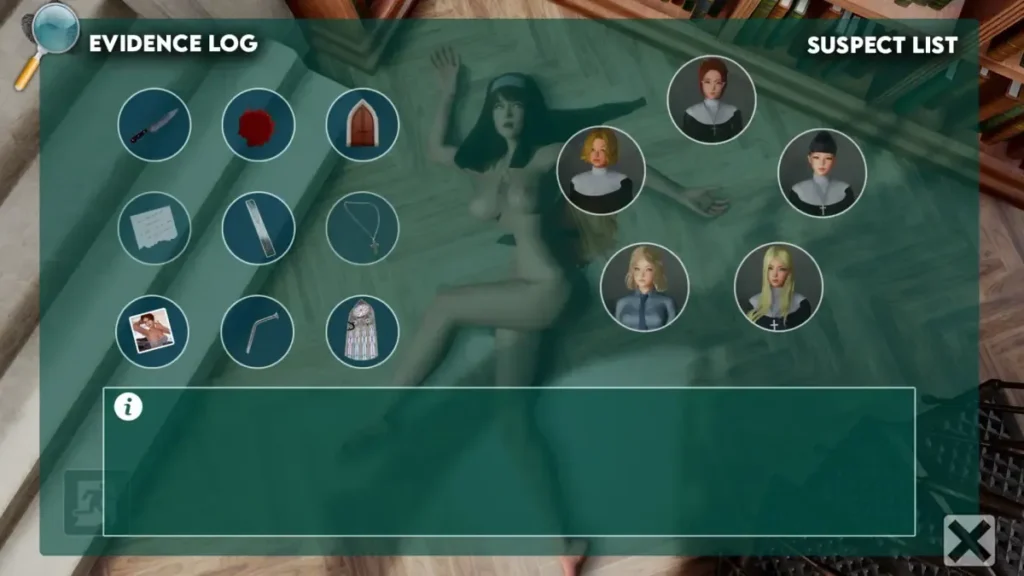

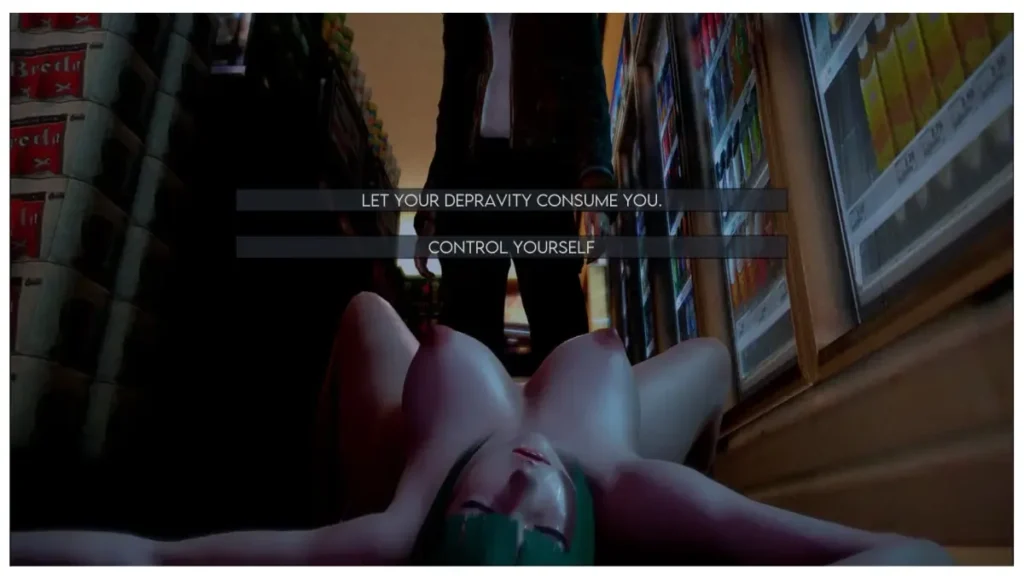



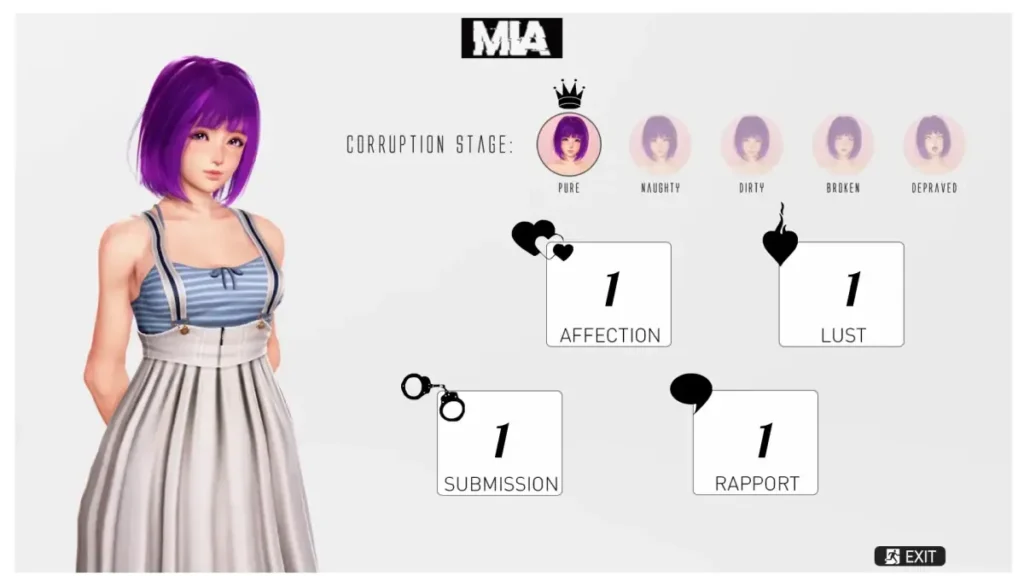
















Deviant Anomalies review
Dive into the Snowstorm Mystery and Character Quests
Imagine a city blanketed in a bizarre snowstorm that unleashes supernatural chaos—welcome to Deviant Anomalies, the gripping Ren’Py visual novel that’s hooked me since day one. As a rookie detective fresh from college with a criminal psychology degree, you unravel mysteries amid rising crime in Netherhelm. I’ve sunk hours into its cases and character quests, from Sophia’s interviews to Beatrice’s recruitment, and it’s a wild ride of choices and interactions. This guide shares my personal strategies to help you master Deviant Anomalies, max out relationships, and chase that final destiny without getting stuck.
What Makes Deviant Anomalies a Must-Play?
It was one of those deep, quiet nights where the internet feels infinite. I’d scrolled past a dozen titles, my attention span fraying, until a single screenshot stopped me cold: a city street swallowed by a howling, unnatural blizzard, with a lone figure staring into the glow of a neon sign. That’s how I stumbled into Deviant Anomalies, and let me tell you, I didn’t surface for hours. 😲 What started as a late-night curiosity became an obsession with its chilling snowstorm mystery Netherhelm and the hauntingly personal stories hidden within. If you’re looking for a Deviant Anomalies overview, consider this your guide to why this Ren’Py adult game grabs you by the collar and doesn’t let go.
So, what is Deviant Anomalies at its heart? It’s a rookie detective visual novel where you step into the worn shoes of a newcomer to the freezing, troubled city of Netherhelm. With a background in criminal psychology, you’re thrust into a chaos no textbook could prepare you for. Developed by Moolahmilk and currently sitting at a massive v0.9.5 (updated January 2026), this isn’t just a simple story—it’s a sprawling, living world of cases, secrets, and relationships waiting to be unraveled.
How the Snowstorm Story Hooks You In
The genius of the Deviant Anomalies game doesn’t start with a bang; it starts with a creeping, pervasive chill. ☃️ Netherhelm is a character in itself—a city already on edge before the first unnatural snowflake falls. The central snowstorm mystery Netherhelm is more than just weather; it’s an atmospheric pressure cooker. Crime rates are spiking, people are behaving erratically, and whispers of something otherworldly thread through the police scanner.
Your role as the rookie detective is perfectly framed. You’re not a superhero. You’re underfunded, overworked, and armed mostly with your wits and a university degree. The game masterfully makes you feel the weight of the city’s despair and the eerie silence of the blizzard outside your office window. I remember in my first playthrough, just walking the streets via the map interface felt tense. Every new location unlocked felt like a step deeper into a conspiracy, and the overarching question—what is causing this storm?—becomes a ghost haunting every single case file.
This snowstorm mystery Netherhelm isn’t a detached backdrop. It directly influences the narrative. Suspects are more volatile, clues are buried under both literal and metaphorical ice, and a sense of impending doom makes every interaction feel crucial. The story hooks you by making the environment an active antagonist. You’re not just solving crimes; you’re trying to understand the sickness at the heart of the city itself, and that is a puzzle infinitely more compelling.
Key Gameplay Mechanics Explained
While the story provides the pull, the gameplay of this Ren’Py adult game is what makes you stay for the long haul. 🕵️♂️ Forget linear visual novels; Deviant Anomalies gives you a startling amount of agency. It all begins with a critical choice that shapes your entire experience: your starting Trait.
| Starting Trait | Core Effect | Playstyle Suggestion |
|---|---|---|
| Psychologist | Easier dialogue checks, better insight into characters. | For players who want to talk their way through problems and dive deep into motivations. |
| Technician | Faster computer hacking, better rewards from digital clues. | Perfect for the player who loves the “grind” on the in-game PC to unlock secrets and cash. |
| Bruiser | Higher success in physical confrontations and intimidation. | Choose this for a more direct, forceful approach to investigation and conflict. |
This choice matters. As a Psychologist on my first run, I found myself unlocking dialogue paths that others might miss, making certain character quests profoundly different. The game then throws you into the deep end. You need money for everything—rent, food, bribes, clues. This leads to the core loop: Case-Solving via PC Grinding. You’ll spend a lot of time on your detective’s computer, taking on small jobs, hacking, and researching to earn credits to fund your bigger investigations.
Here’s where the game shines: multiple quests are runnable simultaneously. 🧩 You’re not forced down a single track. You might be slowly piecing together a major arc for one character while running errands for another and still tackling the daily small-time cases to keep the lights on. It creates an incredibly authentic feeling of being a busy detective juggling a chaotic workload.
Personal Insight: My “aha!” moment came with the 7-11 side case. I must have replayed that grind a dozen times, optimizing my clicks on the PC to maximize my hourly credit gain so I could afford the next clue. It sounds mundane, but it’s oddly addictive. You feel your detective’s struggle, which makes every breakthrough genuinely rewarding.
Practical Advice: Save. Often. And in multiple slots. The game’s openness means you can miss things or back yourself into a financial corner. If you ever find yourself truly, hopelessly stuck without money? The game’s files are accessible. A quick, careful edit of a save file can give you the breathing room to get back on track without losing your progress. It’s a lifesaver.
- Core Gameplay Features:
- Trait-Based Progression: Your starting choice (Psychologist, Technician, Bruiser) fundamentally alters your approach to puzzles and dialogue.
- Active Investigation: Use your in-game PC to take jobs, hack, research people, and earn money to fuel your real detective work.
- Parallel Questing: Manage multiple character stories and cases at once, mirroring a real detective’s overwhelming caseload.
- Resource Management: Balance your time, energy, and most importantly, money, to survive and succeed in Netherhelm.
Why Character Interactions Feel So Real
This is where Deviant Anomalies transforms from a great mystery game into an unforgettable one. ❤️🔥 The Ren’Py engine is pushed to its limits not for flashy effects, but for profound emotional depth. Every character you meet in Netherhelm is fighting their own battle against the city’s decay and the eerie storm. They are not quest dispensers; they are broken, complex people, and your detective can choose to be a part of their lives—or not.
The writing deserves a standing ovation. Interactions are layered with subtext, history, and vulnerability. Because you have a psychology background (especially if you chose that trait), you often get options to analyze, to probe gently, or to confront. A simple conversation about a missing person can unravel into a confession about guilt, loss, or fear. The adult content, when it occurs, is never gratuitous; it feels like a natural, earned extension of the deep connections (or volatile manipulations) you build. It’s about intimacy in a world that feels increasingly cold and isolated.
I became genuinely invested in the characters’ fates. In one playthrough, I was so focused on helping a particular character overcome their traumatic past that I let a major city-wide clue lapse, changing the course of my playthrough. The game allowed that choice. It respected my priority. That’s the magic. The character interactions feel real because they have consequence. They affect your resources, your mental state (through role-play), and the overarching narrative. You care because the game makes you responsible.
The mix of pursuing the grand snowstorm mystery Netherhelm while navigating these intimate, messy human stories is the addictive core of the Deviant Anomalies game. It’s why you’ll plan your in-game day around “I need to earn $500 credits, then check in on this character, and then maybe follow that lead on the radio disturbances.” You live in Netherhelm.
This Deviant Anomalies overview only scratches the surface of the storm-blown streets and shadowy corners of Netherhelm. From the moment the unnatural cold seeps into your bones to the second you unlock a character’s hard-won trust, the game is a masterclass in immersion. Whether you’re here for the mind-bending central mystery, the gritty life simulator gameplay, or the deeply human stories, this rookie detective visual novel offers a world that is relentlessly engaging.
Now that you know what makes Deviant Anomalies a must-play, are you ready to dive into the specifics of its most captivating character quests? The real secrets of Netherhelm aren’t just in the storm clouds—they’re in the hearts of its inhabitants. 🕶️ Your next case awaits.
Deviant Anomalies pulls you into a web of snowstorm enigmas, thrilling cases, and captivating character arcs that kept me playing for days. From grinding the 7-11 case to maxing Beatrice’s minigames and nailing those photoshoots, every choice shapes your detective journey in Netherhelm. My top tip? Dive in with saves ready and embrace the chaos—it’s worth it. Ready to uncover the mysteries yourself? Download the latest v0.9.5, grab that criminal psychology hat, and start solving today. Your destiny awaits in the storm.