
Dreaming of Dana
Play Dreaming of Dana
Dreaming of Dana Screenshots

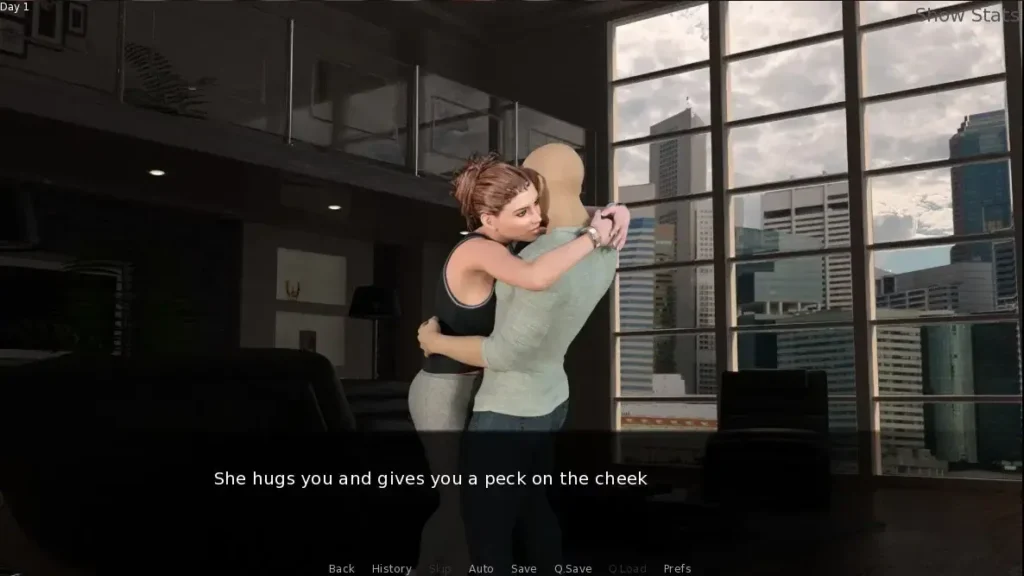

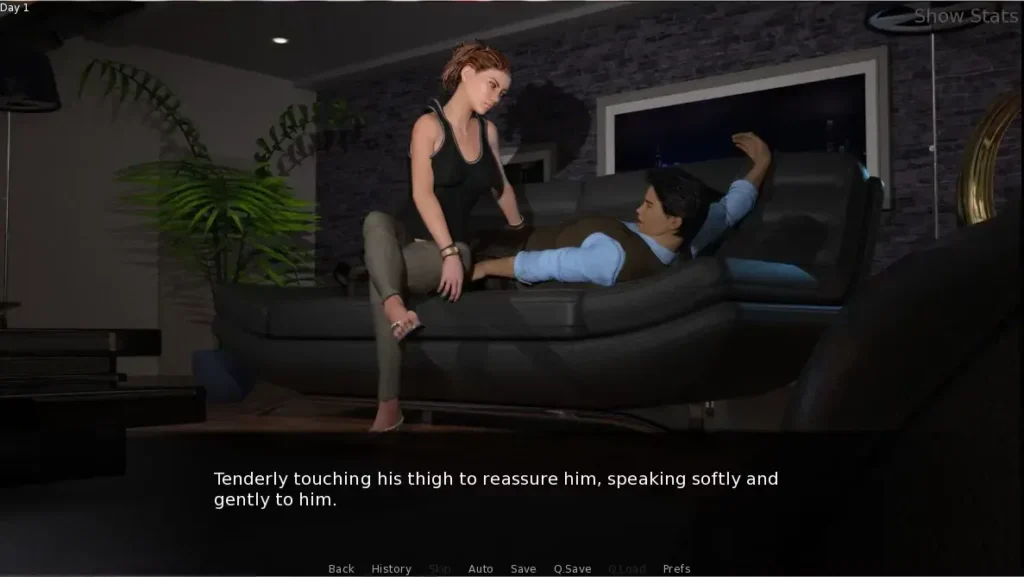

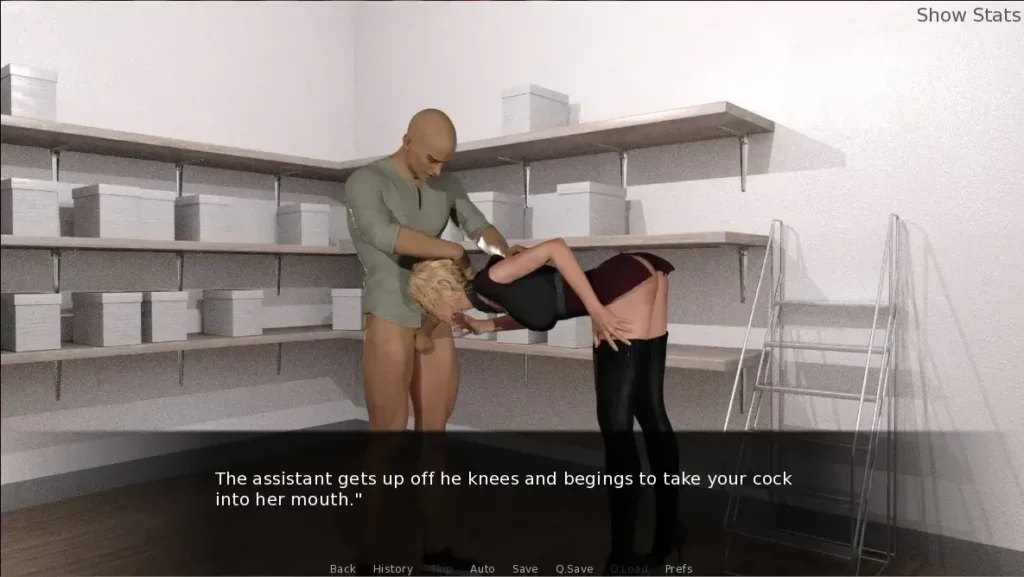
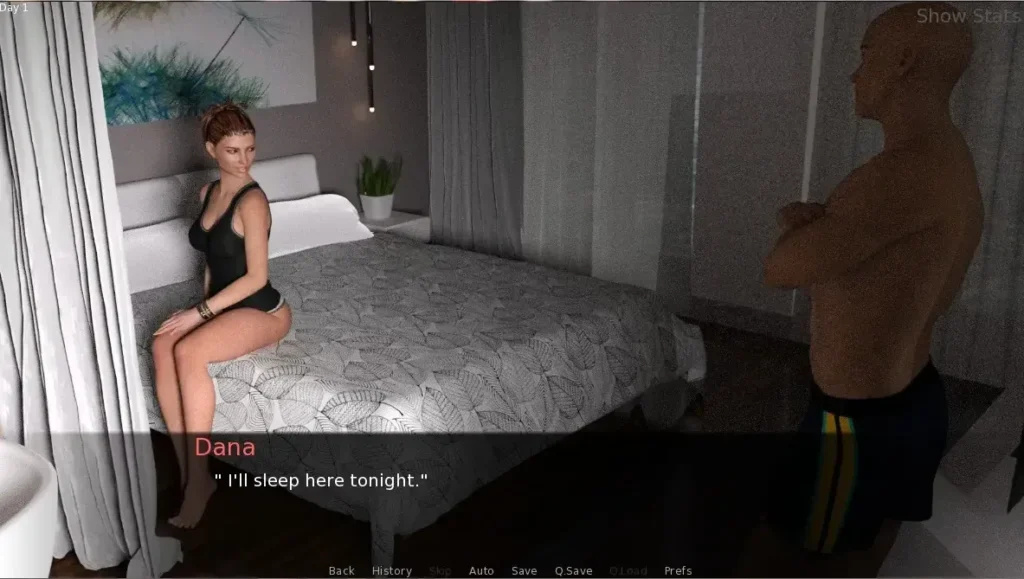
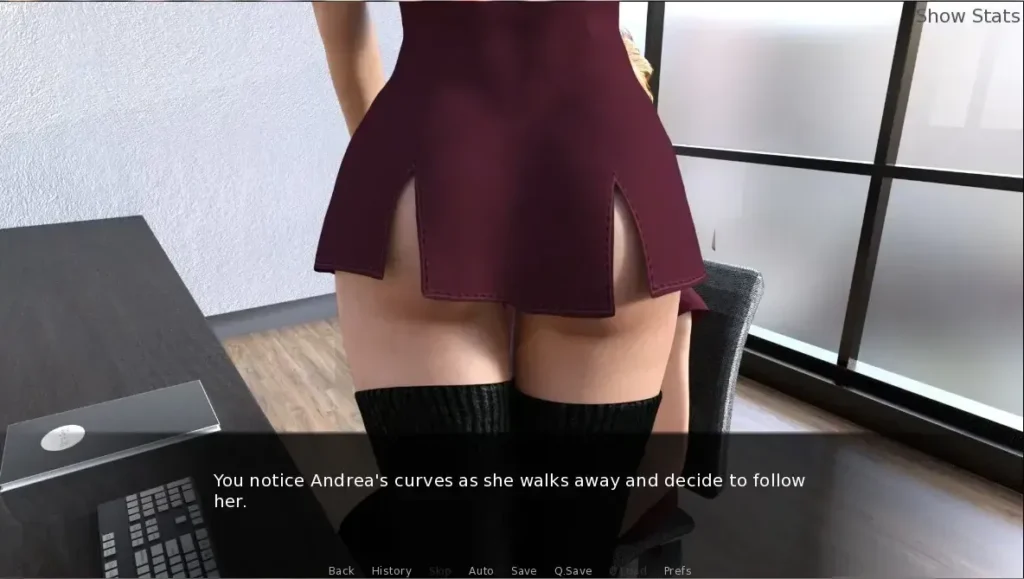
Dreaming of Dana review
Master every route, unlock all endings, and maximize affection points in this dating simulation experience
Dreaming of Dana is a complex dating simulation game that challenges players to navigate multiple character routes, manage affection and relationship points, and make strategic choices that determine story outcomes. Whether you’re pursuing Andrea, Maria, Jess, or other characters, understanding the game’s mechanics is essential for unlocking all endings and experiencing everything the game has to offer. This comprehensive guide breaks down character routes, affection systems, critical decision points, and proven strategies to help you achieve your desired endings. From managing weekend dates to understanding how specific choices impact your relationships, we’ll walk you through everything you need to know to master this intricate simulation experience.
Understanding Game Mechanics and Affection Systems
So, you’ve started your journey in Dreaming of Dana and maybe you’re feeling a little overwhelmed. 🤔 I get it. The first time I played, I thought I could just wing it—choose whatever dialogue option felt right in the moment. Big mistake! I ended up with a confusing ending where my character seemed to have great chemistry with one love interest but zero romantic payoff. It felt like I’d missed the entire point. That’s when I realized that beneath its charming surface, Dreaming of Dana has a deceptively deep and strategic relationship points system. Mastering it isn’t just helpful; it’s the key to unlocking the rich, branching stories you’re here for. This Dreaming of Dana walkthrough guide will break down everything, from the hidden numbers behind the smiles to the perfect schedule strategy.
Think of this chapter as your friendly mechanic’s manual for the heart. We’re going to pop the hood on those dating simulation game mechanics and show you exactly how every choice, from a casual coffee chat to a major story decision, fuels your journey toward a specific ending. Let’s dive in! 🏊♂️
How Affection and Relationship Points Work
At its core, Dreaming of Dana runs on two primary, interconnected currencies: Affection Points and Sexuality Points. Understanding how they differ and work together is the single most important piece of knowledge for your character route progression. It’s the difference between a sweet, romantic relationship and a more physically intimate one—or even getting locked out of a route entirely.
Affection Points are the foundation. 💝 These represent the emotional bond, trust, and romantic interest between you and a character. You earn them through kind, supportive, and attentive choices during conversations and events. High Dreaming of Dana affection points are mandatory to unlock a character’s core route, trigger their special weekend dates, and ultimately reach any of their endings (good or bad). They are the gateway to the story.
Sexuality Points, on the other hand, gauge the physical attraction and chemistry in the relationship. 🔥 These are gained through flirtier, more daring, and physically confident choices. While a high Affection score gets you in the door, a high Sexuality score determines what happens inside. It unlocks more intimate scenes, different dialogue options during key moments, and is essential for reaching certain story branches and endings that explore the physical side of the relationship.
Here’s the crucial part: they are separate but not independent. You generally need a solid base of Affection before Sexuality points start to have a major impact. Think of Affection as the key to a character’s heart, and Sexuality as turning that key in a specific direction. The game tracks these points for each love interest individually, and they are often invisible—you have to infer your standing through character reactions and which scenes become available.
To make it crystal clear, here’s a breakdown:
| Point Type | How to Earn | Primary Effect | Scene/Ending Influence |
|---|---|---|---|
| Affection Points | Supportive dialogue, remembering personal details, choosing to spend time with them, helping with their problems. | Unlocks the character’s route, weekend dates, and romantic progression. | Determines if you reach a character’s ending. Low affection can lead to friendship or rejection endings. |
| Sexuality Points | Flirtatious dialogue, choosing physically close options, confident or daring responses during intimate moments. | Unlocks intimate scenes and alters the tone of romantic interactions. | Influences the *type* of ending (e.g., passionately romantic vs. sweetly romantic) and access to specific late-game scenes. |
Your strategy must account for both. Early on, I recommend focusing almost entirely on building Dreaming of Dana affection points with your chosen character. A common mistake is flirting too hard, too fast, which can sometimes backfire if the emotional foundation isn’t there. Once you’ve secured a few weekend dates and the character is clearly romantically interested, you can start making more deliberate choices to shape the relationship’s physical dimension with Sexuality points.
Pro Tip from My Playthrough: Pay close attention to the character’s response after a choice. If they blush, smile softly, or share something vulnerable, you likely gained Affection. If their reaction is more playful, teasing, or involves physical touch (a lingering hand, leaning closer), you likely gained Sexuality. This real-time feedback is your best clue!
Managing Your Schedule: Weekdays vs. Weekends
The calendar in Dreaming of Dana isn’t just a pretty background; it’s the stage upon which your strategy plays out. 🗓️ The flow between structured weekdays and open weekends forms the rhythmic heartbeat of the game’s dating simulation game mechanics. Mis-manage this, and you’ll watch precious weeks slip by with little progress.
Weekdays are for building your foundation. Your time is limited, usually broken into segments like “Morning,” “After Work,” and “Evening.” These slots are often consumed by mandatory work events or basic life maintenance. However, the magic—and the challenge—lies in the random events. You might get a notification that a colleague wants to chat at the water cooler, or that a love interest is sitting alone in the park on your way home.
- Approaching Events: This is your primary tool for character route progression. Choosing to engage with a character’s random event is almost always the best way to earn points and see unique dialogue. It shows initiative and interest.
- Avoiding Events: Sometimes, you need to be selective! If you’re dedicated to one route, engaging with another character’s event might give you unwanted Affection points with them, potentially complicating your path. Avoiding events can also sometimes give you a small boost to your own character’s energy or mood stats, which can be useful.
Then come the Weekends, your golden ticket to major relationship leaps. But you don’t start with access to them! A core goal of the early game is figuring out how to unlock weekend dates. This is typically gated behind reaching a certain threshold of Affection Points with a specific character. Once you do, you’ll receive an invitation or unlock the option to ask them out on Saturday or Sunday. These dates are lengthy, story-rich sequences that offer massive point rewards and are essential for pushing the relationship forward toward its conclusion.
Here is your actionable checklist for mastering the schedule:
- Early Game (Weeks 1-3): Use every weekday random event for your target character. Prioritize building a strong Affection base. Ignore others unless you’re aiming for a love triangle route.
- Unlock the Weekend: Monitor dialogue. When a character starts mentioning their weekend plans or asking about yours, you’re close. Reaching the first major story event with them usually unlocks the weekend date option. ✅
- Mid-Game (Weeks 4-8): Your schedule becomes a balancing act. Weekdays are for maintaining momentum and handling any sudden plot-critical events. Weekends are your main advancement tool—never waste a weekend without a date if you’re serious about a route.
- Utilize the Skip Feature: Once a weekend date is unlocked, the game often provides a “Skip to Weekend” option. Use this! It efficiently fast-forwards through uneventful weekdays. This is a crucial Dreaming of Dana walkthrough guide time-saver.
- Late Game (Weeks 9+): Be hyper-aware of flags. Your weekday choices now might finalize your route. Weekend dates become intensely story-driven, often presenting the critical Dreaming of Dana decision guide moments that lead directly to your ending.
Remember, time is a finite resource in this relationship points system. Every “No” to one character is an implicit “Yes” to your chosen path. Plan your calendar like a strategist plotting a campaign! 🧠
Critical Decision Points That Shape Your Story
This is where the rubber meets the road in your Dreaming of Dana walkthrough guide. The game is filled with choices, but not all are created equal. Some are mere flavor text, while others are Critical Decision Points—branching moments that can open up whole new story arcs, lock doors permanently, or send you tumbling down an unintended path. Recognizing these moments is what separates a casual player from a master.
These decisions often come during key events: a character’s personal crisis, a romantic confession, a moment of conflict, or the climax of a weekend date. The game usually signals their importance through a change in music, a full-screen visual, or a pause before the choice appears. 🚨
How Points Accumulate to Trigger Scenes: It’s not just about one big choice. The game uses a hidden checkpoint system. To reach, for example, “Ethan’s Rain Confession” scene in Week 6, you might need a minimum of 70 Affection and 30 Sexuality points with him by the end of Week 5. If you’re at 69 Affection? The scene doesn’t trigger, and you get a more generic interaction instead, putting you behind for the rest of the route. This is why consistent point management is key. Your early-game choices to attend those random events directly enable these pivotal mid-game moments.
Branching Nature and Lock-Outs: Dreaming of Dana loves its consequences. An early, seemingly innocent choice—like agreeing to help a rival character with a project—can inadvertently raise your Affection with them just enough to trigger their route flag. If another character’s flag triggers first, it can lock you out of your original target’s deeper romantic path, rerouting you into a friendship or rivalry storyline. I learned this the hard way when I tried to be a “nice person” to everyone and ended up alone, because no one felt I was specifically interested in them.
Practical Advice for Strategic Decision-Making:
- Save Often and Strategically: This is non-negotiable. Create a new save file at the start of each week and before any major event. A Dreaming of Dana decision guide is useless if you can’t rewind to test branches.
- Specialize, Don’t Generalize: Especially on your first playthrough of a route, focus intensely on one character. Spread your points too thin, and you’ll trigger a “default” ending where no relationship deepens sufficiently.
- Read Between the Lines: Sometimes the “nice” option gives Affection, while the “playful” or “honest” option gives Sexuality. Think about what the character needs in that moment. Are they seeking comfort (Affection) or excitement (Sexuality)?
- Embrace Failure: Not every lock-out is bad. Some of the most interesting, dramatic endings come from failing a key check or making a “wrong” choice. If you’re following this Dreaming of Dana walkthrough guide for completion, you’ll need to explore these branches anyway.
Ultimately, mastering Dreaming of Dana is about understanding that every cup of coffee, every bit of advice, and every glance holds weight within its intricate relationship points system. It’s a game that rewards careful attention, emotional intelligence, and a bit of strategic foresight. By managing your points, commanding your schedule, and navigating critical decisions with purpose, you transform from a passive participant into the author of your own complex, rewarding love story. Now, with these mechanics demystified, you’re ready to step back into the game and truly steer your destiny toward the ending you desire. Good luck! 🌟
Mastering Dreaming of Dana requires understanding both the mechanical systems that govern affection and relationship points, and the narrative consequences of your choices across different character routes. Each decision you make—from how you respond during random events to whether you share partners or pursue exclusive relationships—shapes your story in meaningful ways. By familiarizing yourself with the affection point requirements, understanding how early choices lock you into specific paths, and strategically planning your approach to each character route, you can unlock all endings and experience everything the game offers. Whether you’re drawn to Andrea’s complex storyline, Maria’s relationship dynamics, or Jess’s specialized route, this guide provides the framework you need to navigate every decision with confidence and achieve your desired outcomes.