
Jason, Coming of Age
Play Jason, Coming of Age
Jason, Coming of Age Screenshots












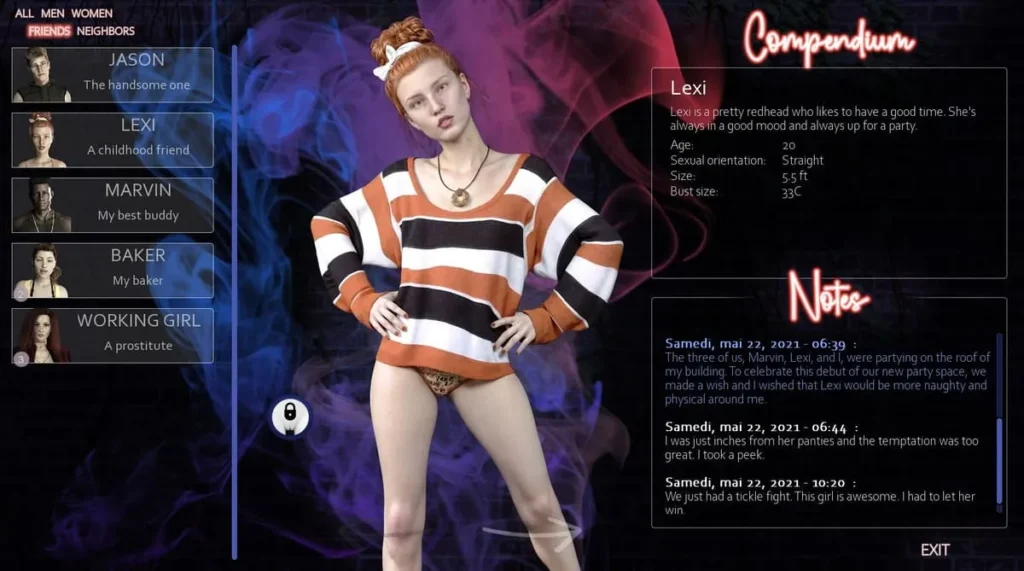






Jason, Coming of Age review
Exploring storyline, gameplay mechanics, and player experiences in this adult narrative adventure
Jason, Coming of Age is an adult-oriented narrative-driven game that has generated significant discussion within the gaming community. This comprehensive guide explores the game’s storyline, character development, gameplay mechanics, and player reception. Whether you’re considering purchasing the title or seeking to understand what makes it notable in the adult gaming genre, this article provides an in-depth look at what the game offers, its strengths, and areas where it falls short according to player feedback and critical analysis.
Understanding Jason, Coming of Age: Game Overview and Core Features
So, you’ve heard the name floating around in forums or seen it pop up in curated lists, and you’re wondering: what exactly is Jason, Coming of Age? 🎮 Let me pull up a chair and tell you about one of the most talked-about adult narrative games in recent memory. At its heart, it’s a story-driven adventure game that asks a compelling, if intense, question: what if the awkward, confusing journey of growing up was literally a matter of life, death, and supernatural power?
Forget everything you know about power fantasies or heroic destinies. This game plunges you into the shoes of Jason, a young man returning to his seemingly quiet hometown for a summer that quickly spirals into a vortex of dark family secrets, unexplained phenomena, and complex relationships. This isn’t just about saving the world; it’s about saving yourself, understanding your past, and navigating a web of desires and consequences that feels painfully, beautifully human. It’s a Jason Coming of Age game that specializes in making you sit back after a tough decision and genuinely wonder, “Did I just mess everything up?” 😅
### What Is Jason, Coming of Age?
Imagine blending the small-town mystery of a classic thriller with the deep, personal introspection of a literary novel, then wrapping it all in the interactive package of a modern video game. That’s the ambitious space Jason, Coming of Age occupies. It proudly defines itself as an adult narrative game, not solely for its mature themes—though those are present and handled with surprising nuance—but for the complexity of its storytelling. This is a game for players who crave substance, who want their choices to weigh heavily on their conscience, and who enjoy watching a character evolve from a state of confusion to one of hard-won agency.
From the moment you start, the game establishes its core identity. You are Jason. The town of Cedar Creek is your playground and your prison, filled with old friends who feel like strangers, enigmatic new faces, and a haunting sense that the picturesque landscapes are hiding terrible truths. The visual presentation is a key player here. The art style leans into a polished, realistic aesthetic for characters, giving every expression and glance tangible weight, while environments are richly detailed to sell that “lived-in” feel. The graphics quality won’t rival a AAA blockbuster’s polygon count, but what it lacks in raw technical power, it more than makes up for in atmospheric art direction and careful lighting that makes every dusk feel ominous and every sunrise feel like a temporary relief.
What truly distinguishes this title in the crowded field of adult game mechanics is its commitment to the “coming of age” premise. This isn’t a trivial label. The entire narrative structure is built around Jason’s psychological and emotional maturation. You’ll manage his daily routine, from mundane jobs to intense conversations, and each action feeds into a larger system of game character development. The game cleverly uses its mechanics to mirror the feeling of growing up—sometimes you have too many options and no good answers, and other times you’re painfully constrained by the consequences of your past immaturity.
My first playthrough tip? Don’t try to be a hero or a villain. Try to be a person. I made the mistake of min-maxing my initial choices, and the story felt hollow. When I relaxed and let Jason be messy, selfish, and sometimes kind, the narrative sang.
### Gameplay Mechanics and Story Structure
Let’s dive under the hood. If you’re expecting fast-paced action or intricate skill trees, you’ll need to adjust your expectations. The gameplay mechanics in Jason, Coming of Age are meticulously crafted to serve one master: the story. This is a point-and-click adventure at its core, but supercharged with RPG-like systems that make every dialogue and decision pulse with potential.
The most immediate and impactful system is the character creation gameplay. Before you even step foot in Cedar Creek, you’re tasked with defining Jason’s foundational personality. This isn’t just picking a hairstyle (though you can do that too!). It’s about selecting core Traits—like Empathetic, Cynical, Charming, or Reckless. These aren’t cosmetic. I chose “Inquisitive” on one playthrough, and it unlocked entire dialogue branches and investigation options that were simply absent when I played as a “Brash” Jason. This initial customization ensures that your version of Jason is uniquely yours, setting the stage for a personalized story-driven adventure game experience.
The story structure is then built around a calendar system. You have a finite number of days in the summer, and each day is divided into time blocks (Morning, Afternoon, Evening). You choose how to spend them: working a part-time job to earn money for certain items or events, exploring locations to uncover clues, or most importantly, spending time with the game’s rich character roster. This is where the magic of narrative choices and consequences truly comes alive.
Every conversation is a potential pivot point. A supportive word to a struggling friend might unlock their loyalty and a crucial piece of information later. A flippant, cruel remark could close a door permanently. The game excels at delayed gratification with its consequences. You might think you got away with a white lie in Week 1, only to have it explode in your face during a tense confrontation in Week 3. It creates a fantastically paranoid and engaging loop where you’re constantly wondering how today’s choices will shape tomorrow’s possibilities.
Now, here’s a fascinating and somewhat divisive aspect of the Jason Coming of Age game: Jason’s latent special abilities. Early on, it becomes clear that Jason is… different. He has visions, senses things others can’t. However, the game deliberately withholds your active control over these powers until the late stages. For some players, this can feel frustrating—like being given a sports car and told you can only drive it in the final lap. But from a narrative perspective, it’s brilliant. It mirrors Jason’s own confusion and fear. You’re not a superhero; you’re a scared young man trying to understand a curse that feels like it’s consuming him. When you finally gain agency over these powers, the payoff feels earned, a true milestone in his game character development.
### Character Development and Narrative Progression
This is where Jason, Coming of Age separates itself from the pack. The game character development isn’t a linear stat increase; it’s an organic, often messy, evolution shaped by a symphony of systems. Your chosen Traits from creation can be reinforced or challenged by your actions. Act with repeated kindness while having the “Cynical” trait, and you might see it shift toward “Guarded but Kind.” The game tracks your reputation with every major character, your standing in the community, and even Jason’s own mental state, which can affect dialogue options and available actions.
The narrative progression is masterfully paced. The game is a slow burn, and that’s by design. Character introductions are scattered throughout the first several in-game weeks. You won’t meet everyone important on day one. Some characters will only appear after certain triggers or as the town’s darker layers are peeled back. This mimics real life and prevents the story from feeling overloaded. Each major reveal about the town’s history or Jason’s lineage feels like a earned puzzle piece, not just exposition dumped on your lap.
Relationships are the engine of this progression. This isn’t about collecting romance options like trading cards. Every relationship—platonic, familial, or romantic—requires time, consistent interaction, and choices that align with that character’s values. The adult narrative game elements shine here in the complexity of these interactions. Conflicts aren’t always neatly resolved. Sometimes, the most mature choice is to agree to disagree or to walk away from a toxic dynamic. The game respects the player’s intelligence by offering these nuanced paths.
The character creation gameplay you started with continues to reverberate here. Your initial Traits open or close certain relationship avenues. A “Logical” Jason might bond more easily with the reclusive librarian helping with research, while a “Creative” Jason might find a faster connection with the town’s artistic black sheep. It makes every playthrough feel distinct, encouraging multiple runs to see how different versions of Jason navigate the same crumbling world.
To help you visualize the core social web you’ll be navigating, here’s a breakdown of some key characters and how your creation choices might interact with them:
| Character | Core Archetype & Role | Key Traits They Respond To | Relationship Potential |
|---|---|---|---|
| Maya | The Childhood Friend / Anchor. Works at the local diner, knows the “old” Jason. | Empathetic, Honest, Nostalgic | Deep platonic bond or slow-burn romance. A source of stability and grounded advice. |
| Detective Rhodes | The Skeptical Authority. Investigating the strange occurrences in town. | Logical, Respectful, Inquisitive | Professional alliance or adversarial tension. Can become a crucial source of information or a major obstacle. |
| Elias | The Enigmatic Outsider. New to town, shrouded in mystery, connected to the supernatural. | Creative, Reckless, Intuitive | Mentor-like figure or dangerous influence. Paths to unlocking deeper lore about Jason’s abilities. |
| Aunt Valerie | The Guardian with Secrets. Jason’s caretaker, clearly hiding family history. | Charming, Patient, Diplomatic | Strained familial trust that can be repaired or shattered. Her revelations are key to the main plot. |
| Leo | The Rival / Mirror. A local with a grudge and his own hidden pains. | Cynical, Competitive, Forgiving | Intense rivalry that can evolve into bitter enmity or a powerful, respectful friendship. |
Ultimately, Jason, Coming of Age is a bold experiment in interactive storytelling. It asks for your patience and your emotional investment, rewarding you not with flashy power trips, but with a profound sense of authorship over a fragile, human story. The adult game mechanics are in the emotional labor, the tough calls, and the quiet moments of connection that feel more significant than any boss battle. It’s a game that stays with you, lingers in your thoughts, and makes your second playthrough—with a different Jason, making different mistakes and different friends—feel like a completely new story. If you’re ready for an adventure that prioritizes the heart and the mind, your journey to Cedar Creek awaits. 🌅
Jason, Coming of Age presents an interesting case study in adult gaming where technical execution and visual presentation don’t necessarily translate to overall player satisfaction. While the game’s graphics receive consistent praise from the community, the narrative foundation struggles with overused tropes, underdeveloped character relationships, and pacing issues that undermine the experience. Players frequently express disappointment with unfulfilled promises made early in the game and the disconnect between the game’s visual quality and its storytelling depth. The game’s special powers mechanic feels incomplete, with abilities introduced late and underutilized throughout most of the gameplay. For potential players, understanding these strengths and weaknesses is crucial before making a purchase decision. The game may appeal to those prioritizing visual aesthetics, but those seeking compelling narrative depth and meaningful character connections may find the experience lacking. Community feedback suggests the game would benefit from more substantial character development, better pacing of story elements, and more effective integration of gameplay mechanics throughout the entire experience rather than concentrated at the end.