
Long Road Home
Play Long Road Home
Long Road Home Screenshots















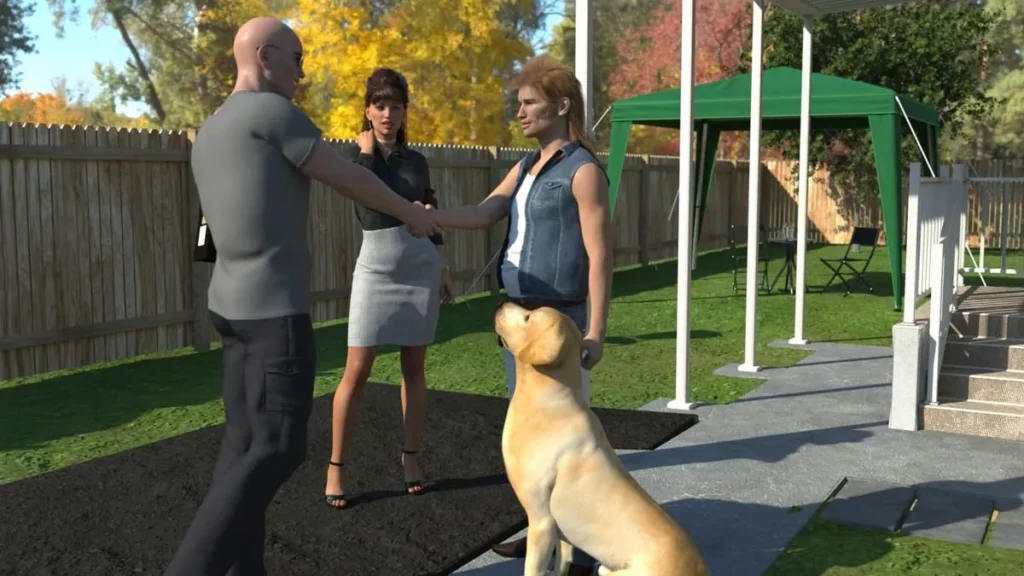










Long Road Home review
Explore gameplay mechanics, character routes, and narrative depth in this indie visual novel experience
Long Road Home stands out as a narrative-driven indie game that combines choice-based gameplay with character-driven storytelling. This guide explores what makes the game compelling, from its branching narrative paths to its character development systems. Whether you’re new to the game or looking to understand its mechanics better, this comprehensive overview covers the essential elements that define the Long Road Home experience. Discover how player choices shape outcomes, explore the various character routes available, and learn what to expect from this unique interactive narrative.
Understanding Long Road Home: Game Overview and Core Mechanics
Ever found yourself clicking through a visual novel, making choice after choice, only to feel like your decisions don’t really matter? 🤔 I’ve been there. Many games promise a branching path, but deliver a shallow experience where you’re just along for a predetermined ride. That’s exactly why the Long Road Home game caught my attention. It’s an indie narrative game that doesn’t just pay lip service to player agency—it builds its entire world around it.
This isn’t a fairy tale. You step into the worn-out shoes of a young man from a low-income background who’s just scored a spot at the prestigious Burgmeister & Royce college. It’s a ticket to a better future, but the price of admission is steep. To survive, you pledge the Delta Iota Kappa fraternity, diving headfirst into a whirlpool of complex social dynamics, intense conflicts, and the ever-present vices of campus life. The Long Road Home story is raw, unflinching, and deeply human. It’s about finding your place, making terrible mistakes, and discovering who you are when the party’s over and you’re alone with your choices.
### What Is Long Road Home and Why It Matters
At its heart, Long Road Home is a masterclass in visual novel gameplay. But to label it just a “visual novel” feels like calling the ocean a puddle. 🏊♂️ It’s a meticulously crafted, choice-driven simulation of a pivotal life chapter. What makes it stand out in a sea of indie games is its brutal commitment to consequence. Every interaction, from a casual greeting to a major moral decision, sends ripples through your entire playthrough.
The game matters because it treats your intelligence with respect. It presents a world not of clear-cut heroes and villains, but of flawed, authentic people. You’ll meet brothers in the fraternity who can be your greatest allies or your worst enemies, depending on how you navigate the tangled web of loyalty and ambition. The developer’s choice to include elements like character nudity and intimate scenes isn’t for sheer shock value; it’s a deliberate tool to strip away pretense and explore vulnerability, power, and intimacy in this high-pressure environment. These scenes are limited and purposeful, amplifying their narrative weight rather than diluting it.
From my own playthroughs, I remember the sinking feeling when a throwaway insult I made to a character in Chapter 2 came back to haunt me in Chapter 5, locking me out of a route I desperately wanted. That’s the magic—and the terror—of this game. It remembers. Its storytelling pacing is expertly managed, balancing slower, character-building moments with high-tension scenes that had me glued to the screen, afraid to click forward. It proves that an indie narrative game can deliver depth and complexity that rivals big-budget titles.
### How Choice-Based Gameplay Shapes Your Experience
Forget dialogue options that are merely cosmetic. In this choice-based narrative game, your controller is your moral compass, your social intuition, and your survival instinct. 🎮 The core mechanic is deceptively simple: you read, you choose, you live with the outcome. But the brilliance lies in the layers. Choices aren’t just about “be nice” or “be mean.” They’re about navigating social politics, managing your reputation, and deciding what you’re willing to sacrifice to belong.
The game’s branching narrative mechanics operate on both macro and micro levels. A major story branch might determine which fraternity brother you form a deep bond with, while a hundred smaller choices dictate the quality of that relationship. Did you stand up for him when he was being hazed? Did you cover for him when he broke a house rule? Did you share a vulnerable moment, or keep up a tough facade? All of this is tracked invisibly behind the scenes, building a unique relationship score with every character.
Pro Tip: Don’t try to “game” the system on your first playthrough. Play authentically. Choose what you would do. The most powerful Long Road Home experiences come from seeing the natural, sometimes heartbreaking, consequences of your own instincts.
This is where the visual novel gameplay transcends its format. It becomes a personality test. Are you a people-pleaser trying to keep everyone happy, only to find yourself stretched too thin and trusted by no one? Or are you a ruthless climber, forging powerful alliances but burning bridges in a blaze of glory? The game holds up a mirror, and the reflection is often uncomfortably compelling.
Here are the key gameplay features and mechanics that make this system work:
- A Living Relationship System: Every character has a dynamic opinion of you that changes with every interaction, opening or closing doors to future scenes and story arcs.
- The Momentum of Choice: Decisions have a compounding effect. A series of small choices in one direction can unlock major narrative pivots you didn’t see coming.
- Time and Resource Management: Your time and energy are limited. Choosing to study for an exam might save your GPA but cost you a crucial bonding moment with a potential ally.
- Hidden Triggers and Flags: The game is filled with subtle flags that are easy to miss. A remembered birthday, a favorite drink mentioned in passing—recalling these details can pay off massively later.
- Authentic Consequences: Failure is a valid outcome. A ruined reputation, a lost friendship, or academic probation aren’t just “game over” screens; they become new, challenging narrative paths to navigate.
### Character Routes and Narrative Branching
This is the crown jewel of the Long Road Home game. The character routes gameplay isn’t about picking a love interest from a menu. 🥇 It’s about organically growing a connection through consistent, deliberate action. Each major character—whether it’s the charismatic but troubled fraternity president, the quietly ambitious scholar, or the artistic rebel—has a complete, multi-chapter arc that only unfolds if you nurture the relationship.
Think of the narrative not as a tree with a few big branches, but as a dense, interconnected root system. Branching narrative mechanics here mean that pursuing one character’s route will dramatically alter your perspective on the main plot and your relationships with everyone else. You’ll witness events they don’t, hear confidences others won’t, and face dilemmas unique to that bond. I dedicated one playthrough solely to building a bromance with a seemingly standoffish brother, and it completely recontextualized the fraternity’s internal conflict, revealing him as the story’s secret moral center.
The following table breaks down how different approaches shape two potential character routes:
| Character Archetype | Route Focus | Key Choice Divergence | Potential Endgame Outcome |
|---|---|---|---|
| The Mentor (e.g., a senior fraternity brother) | Legacy & Loyalty | Choosing to uphold tradition vs. advocating for radical change during a house vote. | You become his trusted successor, or his biggest rival in shaping the fraternity’s future. |
| The Outsider (e.g., a non-Greek life student) | Identity & Escape | Prioritizing fraternity events over your commitment to them during a personal crisis. | A deep, genuine connection that offers an escape from frat life, or a burned bridge that highlights your assimilation into the system. |
Replayability is the game’s greatest strength. My first ending was bittersweet—I’d secured my social standing but felt hollow, having used people as stepping stones. On my second run, I focused on genuine connection and ended up with a smaller, tighter-knit group of friends, though my grades suffered. Neither was a “good” or “bad” ending; they were honest conclusions to different journeys. This is the hallmark of sophisticated character routes gameplay—it makes you want to revisit this world not to collect endings, but to meet the versions of yourself and your friends you didn’t meet the first time.
The Long Road Home story proves that the most compelling drama isn’t about saving the world; it’s about surviving your youth with your soul somewhat intact. Its branching narrative mechanics and deep character routes gameplay offer a rare, powerful form of storytelling where you are not just a spectator, but the author of your own flawed, beautiful, and unforgettable college saga. 🎓 So, take a deep breath, pledge Delta Iota Kappa, and see which version of you makes it home.
Long Road Home delivers a compelling experience through its focus on meaningful player choice and character-driven storytelling. The game’s strength lies in how it balances narrative depth with player agency, allowing each playthrough to feel distinct based on your decisions. From exploring different character routes to experiencing how your choices shape relationship outcomes, the game offers substantial replay value for those interested in branching narratives. The college setting provides a rich backdrop for character interactions and relationship development, while the game’s pacing ensures that story progression feels natural rather than rushed. Whether you’re drawn to choice-based games, character-focused narratives, or indie gaming experiences, Long Road Home presents a thoughtfully crafted interactive story worth exploring across multiple playthroughs.