Onhold A Shot in the Dark
Play Onhold A Shot in the Dark
Onhold A Shot in the Dark Screenshots

















Onhold A Shot in the Dark review
An in-depth, player-focused walkthrough and review of Onhold A Shot in the Dark
Onhold A Shot in the Dark is a narrative-driven title that blends branching choices with scene-driven encounters, and this guide unpacks its systems, best routes, and player strategies. In the first paragraph I’ll share why this game stands out and what you’ll learn here: core mechanics, decision points that matter, how to unlock key scenes, and tips from my own play sessions to save time and get the endings you want. Whether you’re exploring multiple paths or replaying to collect content, this article gives a practical, player-centric roadmap.
Gameplay Overview and Core Mechanics
Let’s cut straight to the chase: Onhold A Shot in the Dark is a narrative experience first and foremost. You’re not here for twitch reflexes or complex combat grids. You’re here to live a story, and every click, every chosen word, is your brushstroke on the canvas. This is a choice-driven visual novel told from a first-person perspective, plunging you into a tense, intimate mystery where your relationships are the most powerful tool—and weapon—you have. The Onhold A Shot in the Dark gameplay is all about immersion through dialogue, observation, and the heavy weight of decision-making. 🎭
Think of your first hour not as a tutorial, but as stepping onto a stage. The lights are on you, the other characters are your scene partners, and the script is being written in real time based on your impulses. The pace is deliberately slow-burn, building atmosphere and connection, which makes the moments of crisis hit so much harder.
### What kind of game is Onhold A Shot in the Dark?
At its heart, this is a psychological thriller wrapped in a visual novel format. You play as a protagonist drawn into a complex web of secrets within a seemingly close-knit community. The game mechanics Onhold employs are designed to maximize tension and personal investment. Exploration is often limited to key locations, with the real “action” happening in conversations.
The interaction model is primarily point-and-click, but the “clicking” is on dialogue options, subtle environmental details, and character portraits. There are no skill checks in a traditional RPG sense; your success is measured through the trust you build and the information you carefully pry loose. It’s a game that plays on your emotions and your desire to uncover the truth, making you complicit in every step of the journey. 🔍
### How dialogue and choices shape outcomes
This is where the soul of the Onhold A Shot in the Dark gameplay truly lives. Conversations are presented in a classic visual novel style, but with a crucial twist: choices are rarely about being simply “good” or “bad.” They are about tone, allegiance, vulnerability, and strategy.
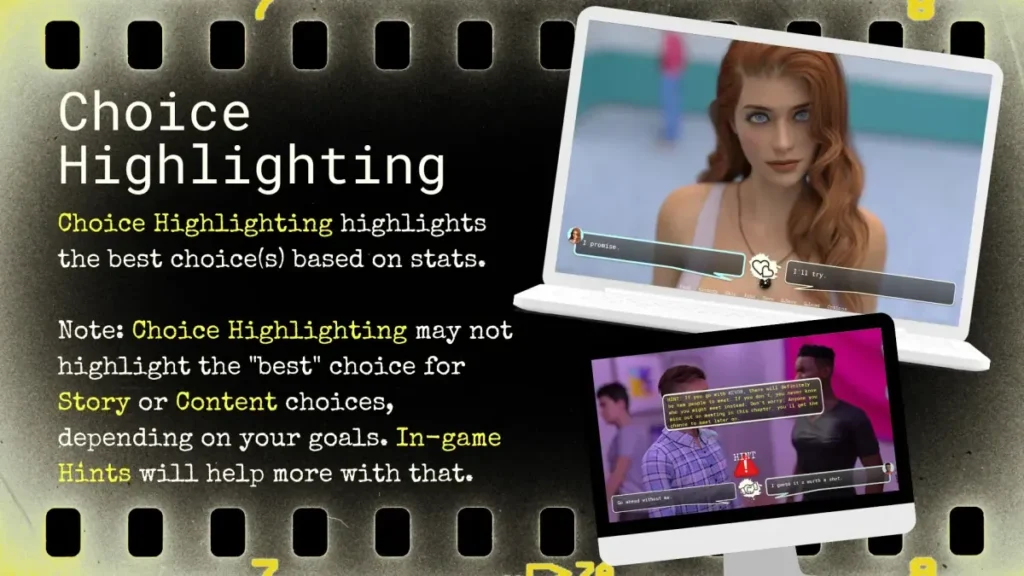
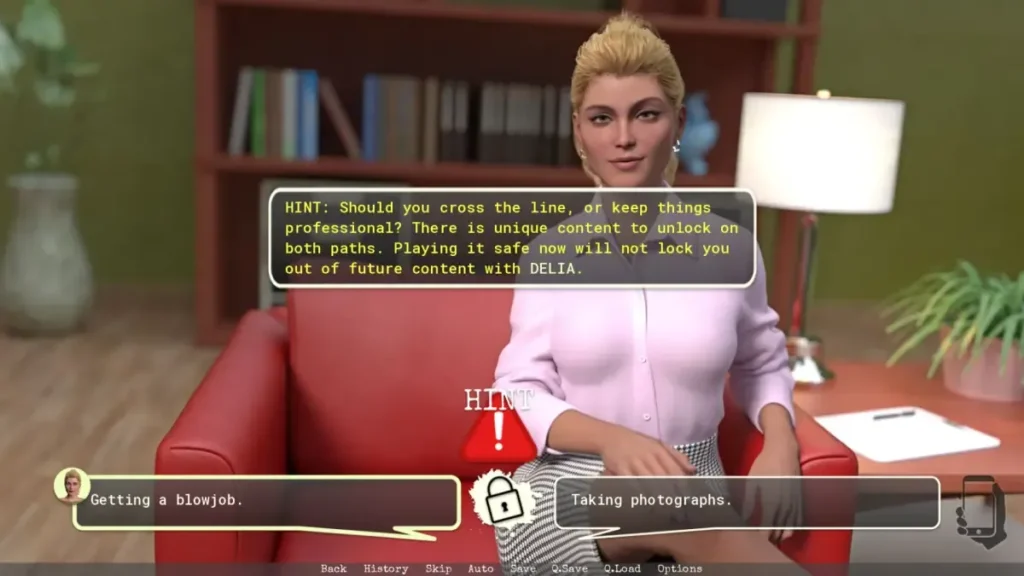
- Choice Presentation: Options appear as full sentences of what you might say, often reflecting different attitudes—direct, empathetic, sarcastic, or evasive. Timing matters. Sometimes, saying nothing (an option that explicitly appears) is the most powerful move of all.
- Immediate vs. Long-Term Effects: A choice might get you an immediate piece of info or a smile, but its real impact unfolds later. Agreeing with one character might close off a line of questioning with another. The choices and consequences Onhold orchestrates are masterfully delayed, creating a domino effect you might not see until hours later.
A Personal Example: Early on, you find a character, Leo, visibly distressed. One option is to press him for details immediately, leveraging your existing rapport. Another is to offer a distraction, suggesting a walk to clear his head. A third is to gently state you’re there when he’s ready.
In my first playthrough, I pressed him. I got a key clue faster, but Leo became guarded and transactional with me afterwards. On replay, I offered the walk. No clue was gained immediately, but the shared, quiet moment deepened our bond. Three chapters later, when I needed a huge favor, that strengthened relationship system Onhold A Shot in the Dark paid off: Leo volunteered that crucial information willingly, from a place of genuine trust. It was a different, more organic path to the same information, and it changed the entire emotional context of the scene. This is the brilliance of the game’s design. ⚖️
### Resource and progression systems to track
Forget health bars or mana points. Your vital resources in this game are intangible but meticulously tracked. The interface is clean, but beneath the surface, a complex web of metrics determines how characters perceive you and what doors are open (or slammed shut).
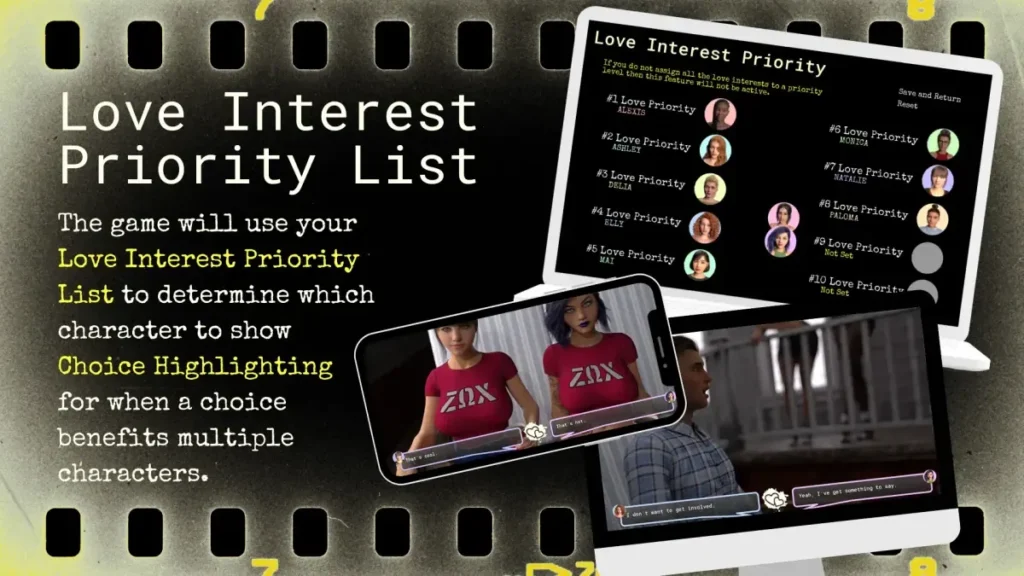
The most critical system is the relationship system Onhold A Shot in the Dark. It’s not just a single “Like” meter per character. I suspect the game tracks affinity across multiple dimensions—trust, respect, fear, and romance—based on your cumulative choices. While not always displayed as a numeric value, you see the results in altered dialogue, unique scenes becoming available, and characters confiding in you or shutting you out.
Other “resources” include:
* Key Information: Literally, facts in your mental inventory. Learning a secret about Character A might unlock a new dialogue branch with Character B.
* Reputation: The group’s overall perception of you. Are you a meddlesome outsider, a trusted confidant, or a dangerous loose cannon?
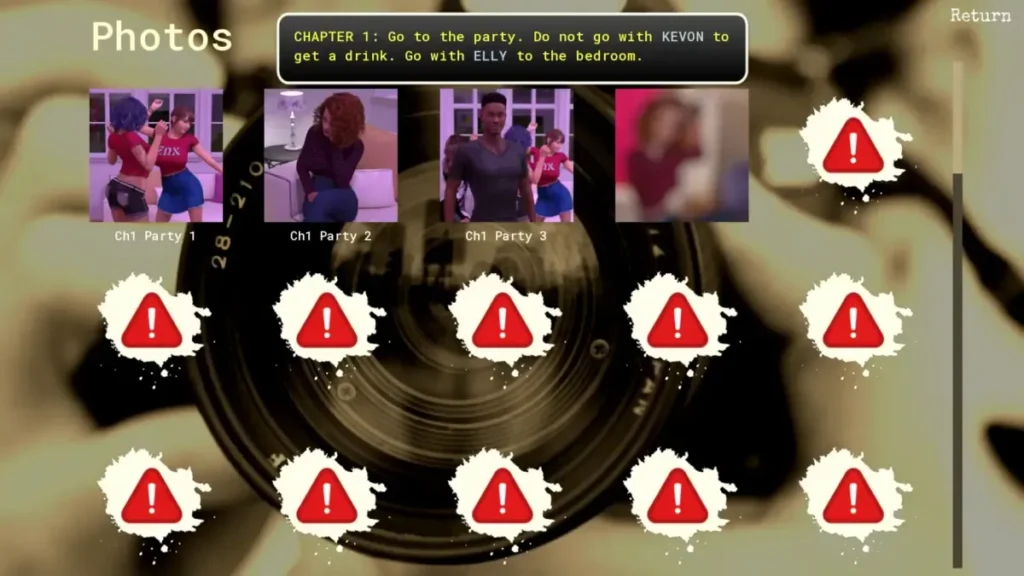
* Scene Availability: This is the ultimate gate. Your relationship levels and discovered information directly dictate which scenes you can access. Miss a key trust moment, and an entire late-game intimate conversation might simply vanish from your playthrough.
To help you prioritize, here’s a breakdown of the core game mechanics Onhold you should be mindful of from the start:
| Core Mechanic | What It Does | Early-Game Priority |
|---|---|---|
| Relationship Affinity | Unlocks private dialogues, alters story paths, and determines endings. | High. Focus on 1-2 characters that resonate with you first. |
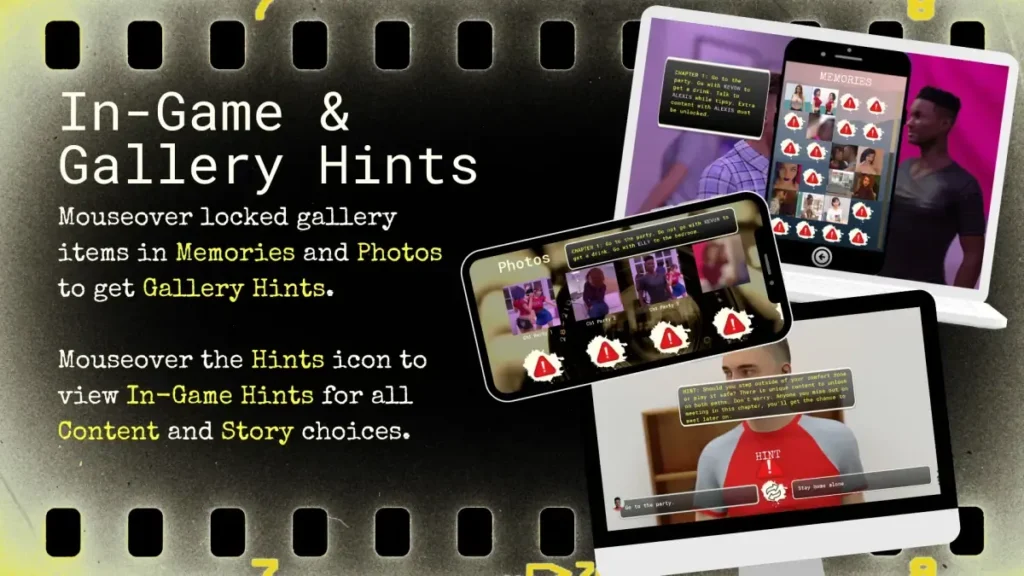
| Information Log | Critical clues are stored here. Review it before major conversations. | Medium. Check it periodically to connect dots. |
| Choice History | A log of your major decisions. Your personal trail of breadcrumbs. | Low. Useful for reflection, but not for active management. |
| Scene Flags | Invisible triggers that enable or disable future content. | Very High. Understand every choice can lock/unlock content. |
### Mastering the Save and Load Strategy
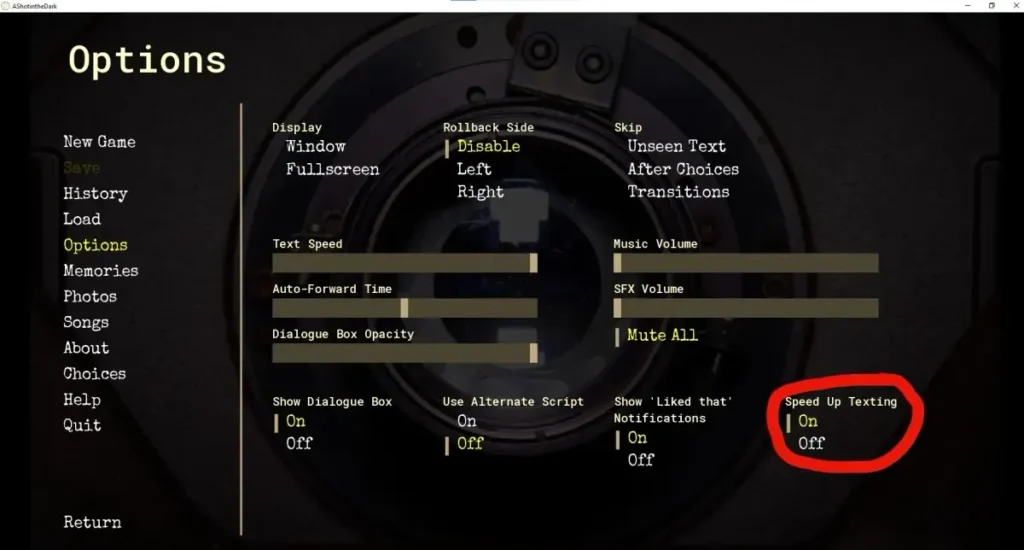
If the choices and consequences Onhold presents are the heart of the game, then your save file is the surgeon’s scalpel. A smart save and load strategy Onhold isn’t about cheating; it’s about responsibly exploring the dense narrative forest the developers created. The game allows manual saves on multiple slots—use this power!
My Recommended Save Strategy:
1. The Milestone Save: At the start of each new chapter or major location, save to a dedicated slot. This is your fallback point.
2. The Pre-Choice Save: Right before any dialogue or interaction that feels significant, save to a new, temporary slot. I often cycle through 2-3 slots for this.
3. The “Live With It” Save: This is your primary, overwritten save. This is for the playthrough where you commit to your choices, for better or worse. This is the most emotionally authentic experience. 💔
How to “Save Scum” Effectively (and Ethically):
The beauty of this game is in its branches. To see them without replaying 10 hours, use your Pre-Choice saves. After a major scene concludes, go back, reload, and pick a different option. Watch just enough to see the divergent path, then revert to your main “Live With It” save to continue. This lets you appreciate the game’s depth without compromising the integrity of your primary story. It turns a single playthrough into a curated glimpse at the multiverse of possibilities.
### Pro Tips for Your First Hour
Don’t try to “win” on your first go. There is no perfect playthrough. There is only your playthrough.
- Listen, Don’t Just Read: Pay attention to voice tone and description text. A pause before a reply can be more telling than the words themselves.
- Specialize Your Relationships: You cannot be everyone’s best friend. It’s more rewarding to deeply connect with a few characters than to spread yourself thin.
- Embrace the “Wrong” Choice: The most memorable moments in my playthrough came from decisions I regretted. They created drama, tension, and stunning character reactions I’d have missed otherwise.
- Save Before Bed: The game often uses the end of the day as a natural narrative break and a point of major reflection. It’s a perfect save point.
By understanding these game mechanics Onhold and adopting a thoughtful save and load strategy Onhold, you transform from a passive reader into an active architect of a thrilling, personal mystery. Your journey through the dark is uniquely yours. Now, go make your first save, and take that initial, unforgettable shot. 🔦
Onhold A Shot in the Dark rewards players who pay attention to branching choices and manage saves deliberately; this guide collected practical strategies, route blueprints, character tips, and technical advice to help you experience the game’s full range. Use the walkthrough to plan targeted playthroughs, apply the technical checklist before installing, and follow the replay strategies to unlock all major scenes. If you found specific tips here useful, try the recommended two-playthrough plan and share your discoveries with the community to help others.