Play Returning to Mia
Returning to Mia Screenshots
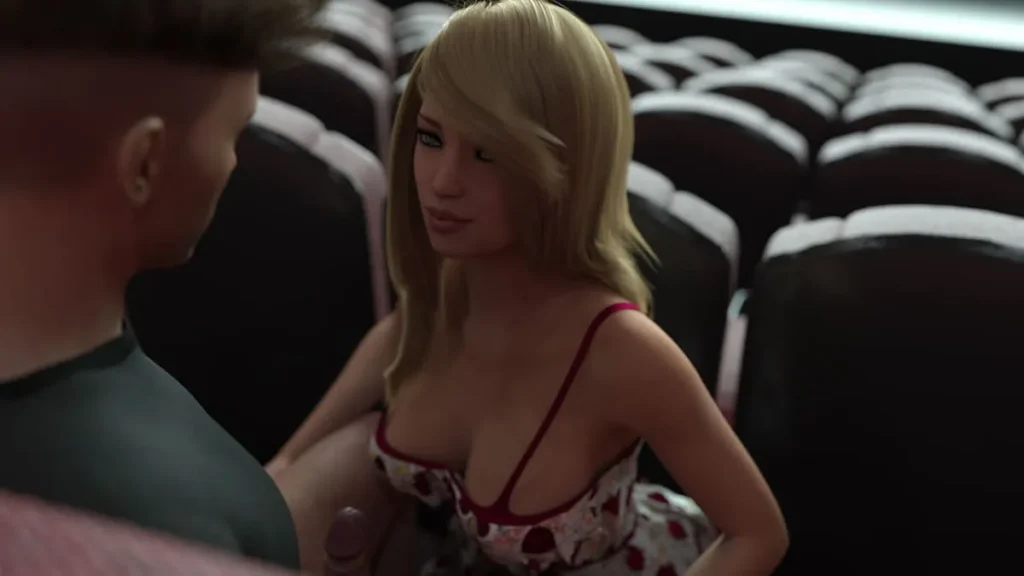




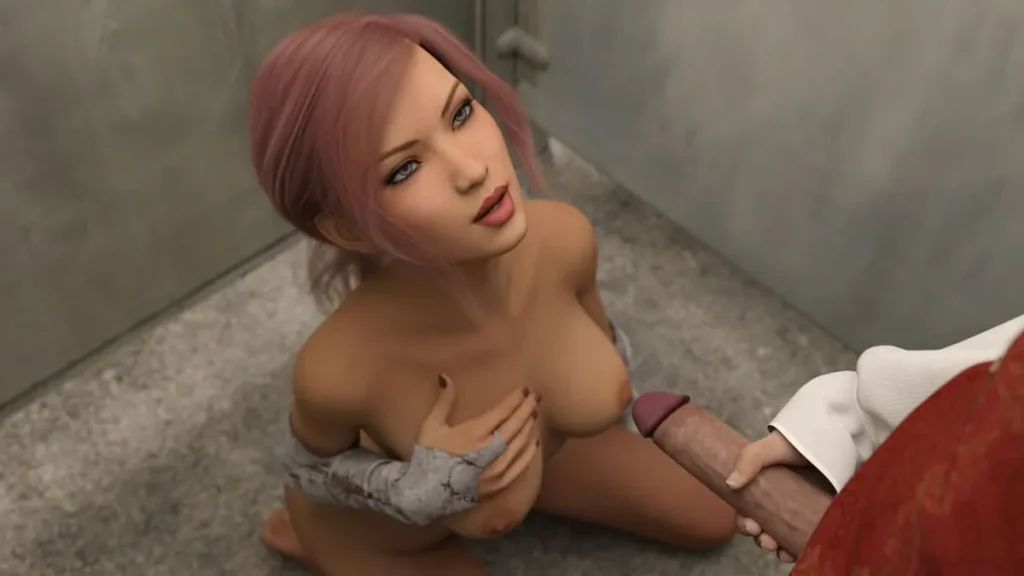

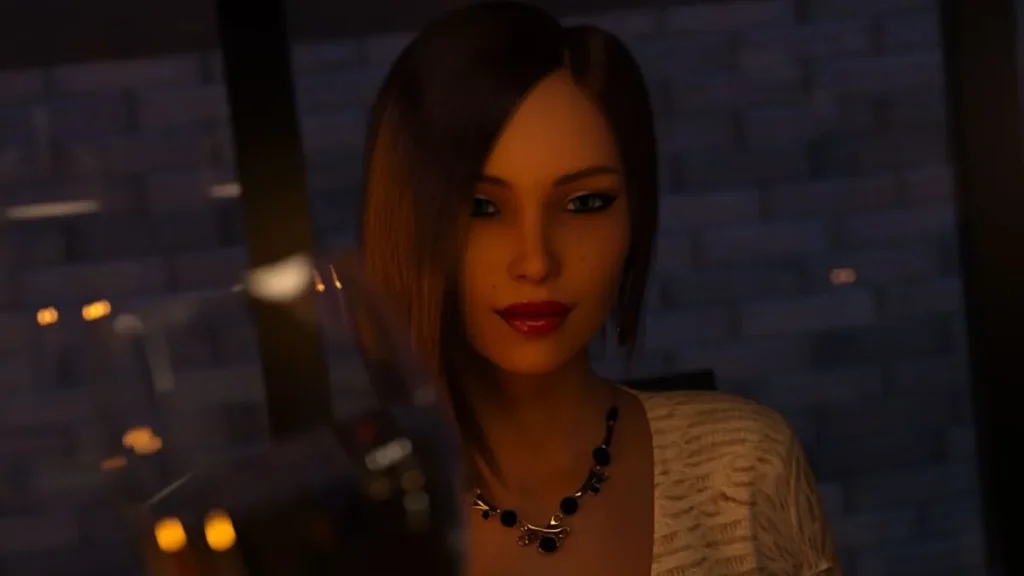


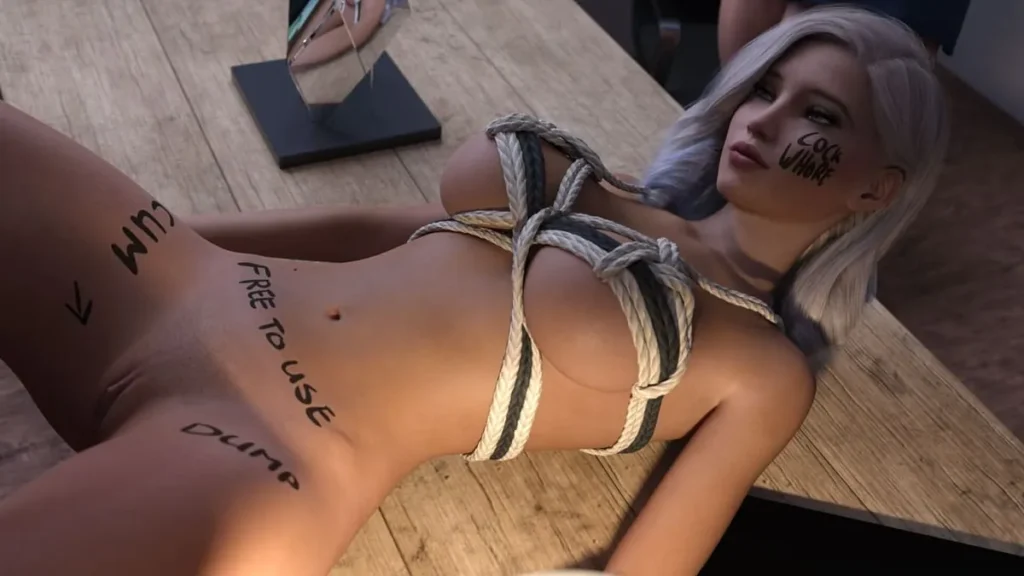


Returning to Mia review
Everything you need to know about the sequel to Summer with Mia
Returning to Mia stands as the highly anticipated sequel to the original Summer with Mia visual novel experience. Set two years after the events of the first installment, this game expands the narrative universe with new characters, deeper storylines, and enhanced gameplay mechanics. Whether you’re a returning fan or new to the series, understanding what this sequel offers is essential for determining if it matches your interests. This comprehensive guide explores the game’s features, story progression, character development, and what makes it a notable entry in the visual novel genre.
Understanding Returning to Mia: Story, Setting & Narrative Structure
Alright, let’s get straight into the heart of what makes this sequel tick. If you’re like me, you finished Summer with Mia with a head full of memories—some sweet, some… well, let’s just say complicated 🥲. Jumping into Returning to Mia story felt like catching up with an old friend, only to find out their life has gotten infinitely more dramatic in your absence. This isn’t just a rehash; it’s a genuine, grown-up continuation that dives deep into consequences, change, and the messy reality of life two years down the line. The visual novel sequel narrative here is confident, layered, and isn’t afraid to challenge both the characters and you, the player.
The core genius of the setup is its timeline. Picking up two years later game plot isn’t just a gimmick; it’s the engine for everything. People have moved (literally and figuratively), relationships have cooled or transformed, and everyone carries the baggage of what happened that first summer. This gap allows for a fascinating reset of dynamics, forcing you to rebuild connections from a new, more mature starting point. The character development in Returning to Mia is directly fueled by this passage of time, making every interaction feel earned and significant.
To visualize the leap the sequel takes, let’s look at how the narrative scope has expanded:
| Aspect | Summer with Mia | Returning to Mia |
|---|---|---|
| Timeline & Setting | A single, intense summer in a familiar hometown. | Two years later, spanning multiple locations including a new city environment. |
| Core Cast | Focused primarily on Mia and a close-knit circle. | Returns to the original circle while introducing several pivotal new characters. |
| Narrative Complexity | Linear branching focused on a central romantic/coming-of-age arc. | Web-like branching with interweaving subplots, mature themes, and profound choices. |
| Player Agency | Choices affect the ending and relationship with Mia. | Choices have cascading effects on multiple characters’ arcs and the overall story ecosystem. |
What Happens Two Years Later: The Sequel’s Timeline
So, where exactly do we find everyone? The Returning to Mia story begins with our protagonist (that’s you!) returning to your old stomping grounds after two years away at college or just… away. The world hasn’t stood still. Mia isn’t the same person you left behind—she’s had a life, experiences, and struggles that didn’t involve you 😮💨. This immediate sense of distance is the game’s masterstroke.
The two years later game plot uses this temporal jump to explore themes of nostalgia versus reality. You might have built up those summer memories in your head, but life has a way of moving on. This setting allows the game to tackle more adult concerns: career anxieties, the drifting apart of old friends, and the re-evaluation of past flames. It’s no longer just about teenage summer love; it’s about whether those connections can survive the real world. The visual novel storyline progression here feels more deliberate, often giving you choices that reflect a more mature (or deliberately immature) perspective compared to the first game.
From a personal playthrough, I remember expecting to slide back into the old dynamic with Mia. Instead, I was met with polite caution and unspoken history. It was jarring but incredibly realistic. This timeline forces you to work for every bit of closeness, making the eventual breakthroughs—if you manage to achieve them—feel immensely rewarding. The game constantly asks: “Can you truly go back?”
New Characters and Returning Faces in the Narrative
This is where the character development in Returning to Mia truly shines. The returning characters aren’t frozen in time. Mia, as mentioned, carries the weight of the past. But others from the original circle are back too, each dealing with their own post-high-school trajectory. Seeing how they’ve changed—or stubbornly refused to change—adds immense depth to the world. Your relationships with them can be rekindled, altered, or even permanently damaged based on your new choices, creating a rich tapestry of relationship dynamics in Returning to Mia.
Now, let’s talk about the new characters in Returning to Mia. They are not just filler; they are essential catalysts for the plot and mirrors for the protagonist’s growth. You’ll encounter new friends, rivals, and romantic interests in your new city life. These characters often represent the “new life” you’ve built away from Mia, and they directly challenge or complicate your attempts to reconnect with the past.
- The New Romantic Interests: They offer legitimate, compelling alternatives to rehashing old history. Pursuing these paths isn’t treated as a “bad” choice, but as a valid life direction.
- The Antagonists or Complications: Some new figures directly create obstacles, whether through rivalry, personal conflict, or by being entangled with Mia’s life during those two years you were gone.
- The Confidants: New friends provide fresh perspectives on your old dilemmas, often voicing what the player might be thinking.
The interplay between old and new is the core drama. A choice to spend time with a new character often means not pursuing a clue about Mia’s current life. This creates a constant, delicious tension in the visual novel storyline progression. You’re literally choosing between your past and your potential future with every decision.
How the Story Expands Beyond the Original Game
If Summer with Mia was a focused portrait, Returning to Mia is a sprawling landscape painting. The visual novel sequel narrative ambitiously expands in every direction. The plot delves into much darker and more complex themes, including elements of jealousy, possessiveness, and the aforementioned NTR (netorare) scenarios, which are presented as a narrative possibility based on your choices and failures. > This isn’t casual content; it’s a deliberate, often emotionally challenging exploration of insecurity and consequence that will drastically alter your playthrough’s tone.
The branching is exceptionally sophisticated. We’re not talking about “Choice A leads to Ending 1” simplicity. The visual novel storyline progression here is a web. Early, seemingly innocuous choices—like how you handle a casual question about the past, or who you choose to hang out with on your first weekend back—can quietly close off entire plot threads or open unexpected avenues hours later. This makes replayability not just a bonus, but a necessity to fully grasp the Returning to Mia story.
A practical tip from my experience: Save often and in multiple slots. I learned this the hard way after a casual conversation in Chapter 2 locked me out of a major reconciliation path in Chapter 5. The game respects your intelligence and your memory, assuming your character’s actions have lasting repercussions.
Furthermore, the game introduces customizable content labels and warnings at the start. This is a brilliant and respectful feature. You can toggle notifications for certain mature themes, allowing you to tailor the narrative intensity to your comfort level. It acknowledges the potent material within its visual novel sequel narrative and puts control in your hands. Whether you want to engage with every hard-hitting plot thread or guide the story toward slightly less turbulent waters, the framework supports it. This level of authorial and player-controlled nuance is what sets this sequel’s storytelling apart.
Ultimately, the story expansion is about depth over nostalgia. It uses the foundation of the first game not as a crutch, but as a springboard to ask harder questions and present more morally ambiguous situations. The relationship dynamics in Returning to Mia are no longer just about “getting the girl.” They’re about understanding her as a full person, dealing with your own flaws, and navigating a world where love and connection are fraught with history and outside pressures. It’s a compelling, often heartbreaking, and always engaging evolution that firmly establishes this as a sequel that had something important to say.
FAQ: Your Returning to Mia Story Questions Answered
Q: Do I need to play Summer with Mia first to understand this sequel?
A: While you can technically jump in, I strongly recommend playing the original first. The entire emotional weight, history, and character development in Returning to Mia are built upon the events and relationships of the first game. Importing a save file also lets you carry over your crucial final choice, which directly influences the starting dynamic.
Q: What exactly carries over from the first game into the Returning to Mia story?
A: The most important element is your final relationship status with Mia. The game acknowledges whether you parted as a couple, friends, or otherwise. The core memories of key events are also part of the shared history, influencing dialogue and character perceptions throughout the two years later game plot.
Q: How different can the story actually be?
A: Dramatically different. The visual novel storyline progression can lead to endings ranging from wholesome reconciliation and new beginnings with various characters, to bittersweet partings, to profoundly dramatic and dark conclusions based on failure paths and specific choices. The introduction of new characters in Returning to Mia alone creates vastly different narrative pathways.
Q: Is the story more focused on drama or romance?
A: It’s an inseparable blend. The romance is inherently dramatic because of the established history and mature obstacles. The game doesn’t shy away from intense emotional drama, which serves to make the romantic moments (when earned) feel more significant and hard-won within the overall relationship dynamics in Returning to Mia.
Returning to Mia represents a meaningful evolution in the visual novel series, offering a richer narrative experience two years after the original game’s events. With expanded character development, new storylines, and enhanced gameplay mechanics, the sequel provides substantial content for both returning fans and newcomers willing to engage with its mature themes. The game’s customization options allow players to tailor their experience to their preferences, while the branching narrative ensures multiple playthroughs reveal different story paths. Whether you’re seeking a continuation of the original story or exploring the visual novel genre, Returning to Mia delivers a comprehensive experience that justifies its place as a sequel. If you’re interested in narrative-driven games with player choice mechanics and don’t mind mature content, this title deserves consideration. Start by determining whether the game’s themes align with your interests, then decide whether to play the original first or jump directly into the sequel based on your gaming preferences.