Short Sad Stories
Play Short Sad Stories
Short Sad Stories Screenshots


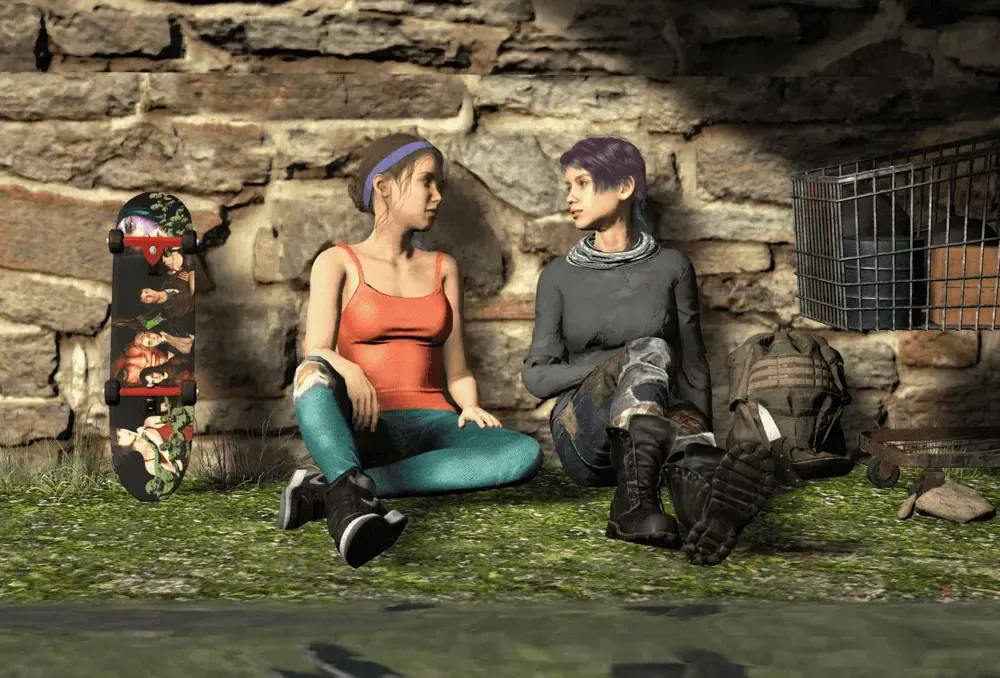
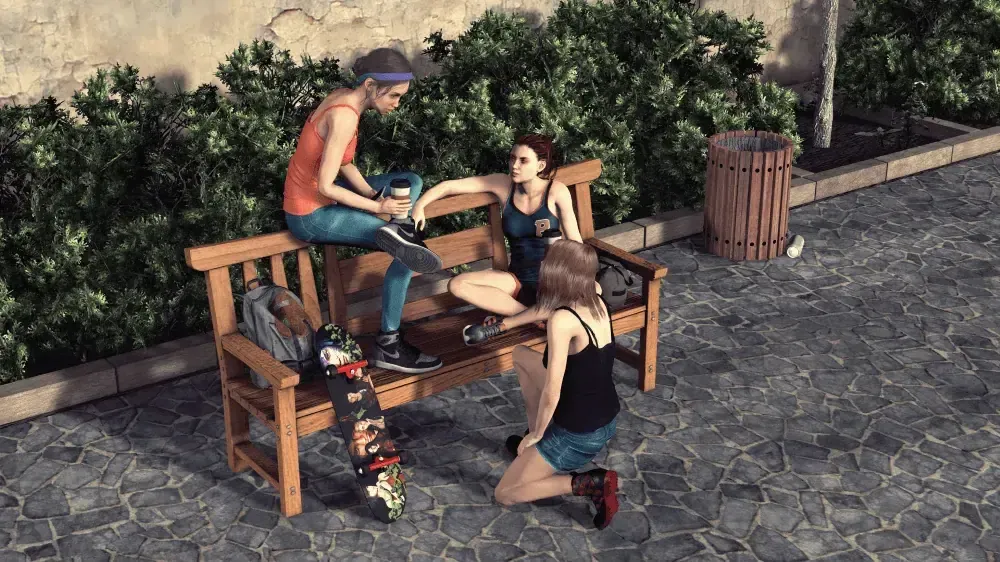
Short Sad Stories review
Explore branching storylines, meaningful choices, and emotional depth in this interactive visual novel experience
Short Sad Stories stands as a distinctive interactive visual novel that redefines emotional storytelling in gaming. Rather than pursuing traditional victory conditions, this narrative-driven experience invites players into a world where choices matter for deepening emotional understanding rather than changing predetermined outcomes. The game follows interconnected stories of young adults navigating unexpected dilemmas, confrontations, and personal growth in a busy city setting. With its unique blend of interactive mechanics and inevitable narrative arcs, Short Sad Stories creates profound moments where simple actions carry significant emotional weight. Whether you’re drawn to character-driven narratives or meaningful player agency, this guide explores what makes this game resonate with players seeking authentic emotional experiences.
Understanding Short Sad Stories: Narrative Structure and Gameplay Mechanics
So, you’ve downloaded Short Sad Stories, ready to dive into its beautiful, melancholic world. You start playing, making choices for Alice as she navigates her fragile reality, and something feels… different. 😔 This isn’t your typical game where you hunt for the “good” ending. Instead, you find yourself sitting with a quiet, aching feeling, profoundly moved by a story you helped shape, yet couldn’t fundamentally change. That’s the magic trick this interactive narrative game pulls off, and it’s what makes it a landmark in branching storylines gameplay.
Most games give you the illusion of control to change fate. Short Sad Stories gives you the tools to understand it. This chapter is your guide to its heart and soul: the ingenious narrative structure that turns passive sadness into active empathy, making you not just a player, but a witness and a companion.
What Makes This Visual Novel Unique in Interactive Storytelling
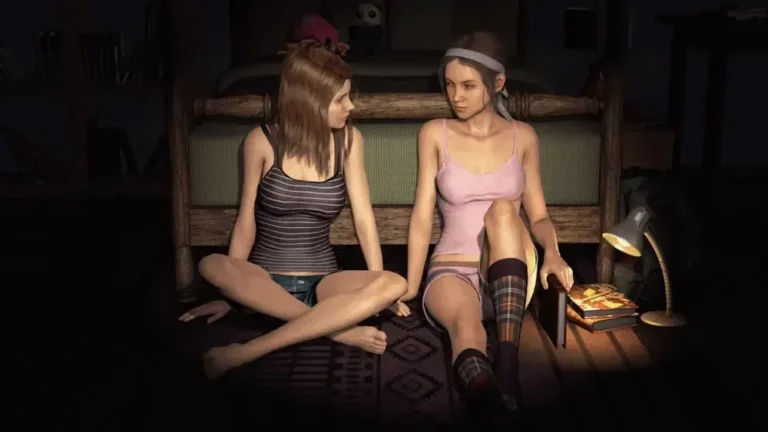
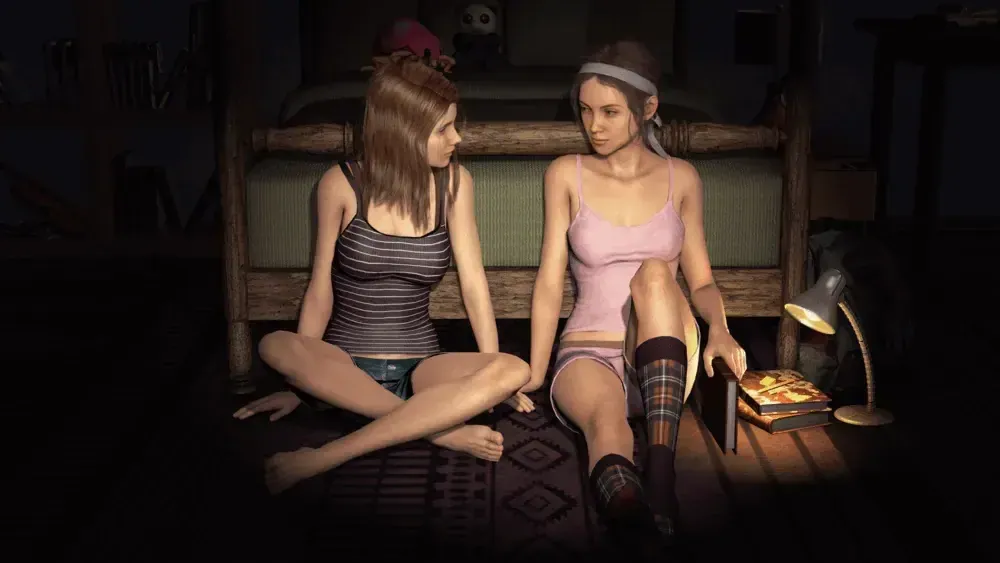
Let’s be honest: the term “visual novel” can bring to mind static images and walls of text. The Short Sad Stories visual novel experience shatters that expectation from the first moment. It presents a living, breathing world with immersive 3D environments. You’re not just reading about Alice’s room; you’re in it, feeling its emptiness or its comforting clutter based on your journey. This format is less like reading a book and more like stepping into a memory—one that’s beautifully rendered and intimately interactive.
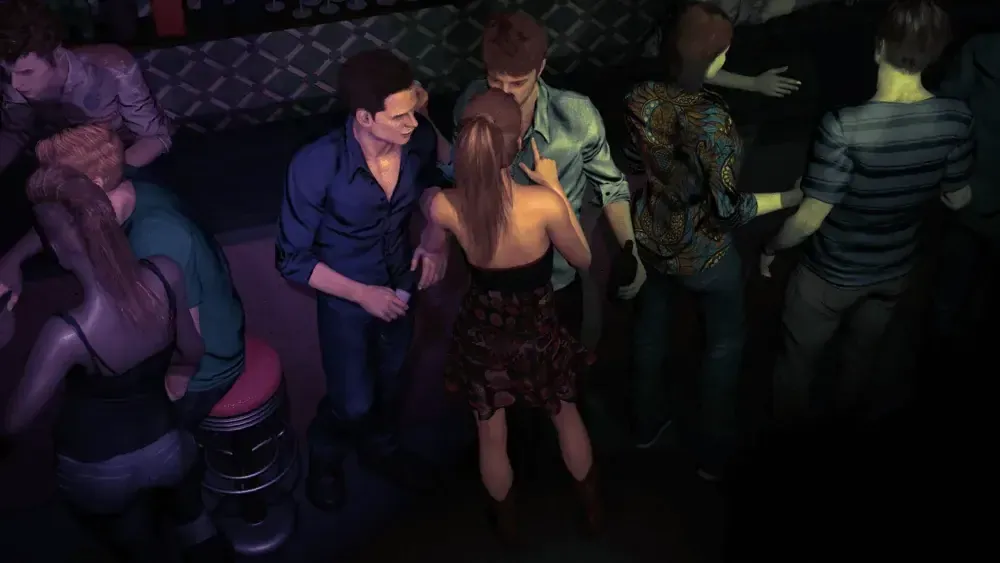
What truly sets it apart is its ensemble approach. While Alice’s story of being caught between a harsh reality and a seductive fantasy is the central thread, the game weaves in the interconnected tales of other young adults. You might be guiding someone through the paralysis of regret, or another through the profound loneliness of loss. This multi-perspective storytelling creates a tapestry of human emotion, showing that sadness isn’t a monolith. It has many faces, many stories.
Think of it less as a single story you direct, and more as an emotional anthology where you hold the lantern, choosing which corners of each character’s heart to illuminate. 🕯️
This design philosophy creates a narrative-driven game experience that prioritizes emotional resonance over traditional “win states.” You succeed not by unlocking an ending, but by achieving a deeper level of visual novel character development and understanding. The game masterfully uses its interactive elements—the choices, the simple mandatory actions—to slow you down, to make you sit with a moment, and to feel its full weight. It’s a game that asks for your emotional presence, not just your problem-solving skills.
How Player Choices Shape Your Emotional Journey
This is the core question every player asks: how do player choices affect story in this game? The answer is subtle and brilliant. In Short Sad Stories, your decisions are less about altering the destination and more about defining the journey’s emotional landscape. You are the curator of your own empathy.
Your choices determine what you see and feel. While certain narrative outcomes are inevitable—reflecting the game’s themes about the inescapable nature of some pain—the path to those moments is uniquely yours. A choice might not stop a character from feeling heartbroken, but it can determine whether you, as the player, witness their quiet despair alone in a room or their brave face in front of a friend. This directly crafts the player choices emotional impact.
Let me give you a personal example from my playthroughs with Alice:
* In my first run, I consistently chose options that encouraged Alice to “face the truth” and “be strong.” I pushed her toward reality. The scenes I saw were raw and painful—harsh conversations, bleak realizations. The ending felt like a brutal, cold acceptance.
* In my second run, I let Alice retreat into her fantasy more often. I chose the poetic, imaginative dialogues. This time, the story unfolded with a dreamlike, tragic beauty. I saw different memories, softer hallucinations. The ending wasn’t less sad, but it was shrouded in a different, more wistful kind of sorrow.
Neither path was “correct.” One wasn’t a “good” ending and the other a “bad” one. Instead, each playthrough offered a different lens on the same core tragedy. I didn’t change Alice’s fate; I changed my understanding of it. This is the essence of its branching storylines gameplay—the branches don’t lead to different trees, but they let you appreciate the same tree from completely different angles, noticing details you missed before.
These branches are woven through:
* Dialogue Variations: Changing the tone and subtext of conversations.
* Scene Availability: Unlocking private moments, memories, or fantasy sequences.
* Character Insights: Learning different facets of a character’s past or motivations.
To see how this plays out across the game’s major themes, let’s look at the structure:
| Story Arc Theme | Core Gameplay Mechanics | Emotional Payoff |
|---|---|---|
| Loss & Letting Go | Choices in interacting with mementos; deciding to revisit or avoid memories; optional actions to “clean up” or “hold on.” | Not closure, but a gradual shift in the weight of grief—from a sharp pain to a familiar ache you learn to carry. |
| Regret & Missed Chances | Branching internal monologues; choosing between self-blame and rationalization; tiny, decisive actions taken (or not taken) in flashbacks. | A deepened understanding of the “why” behind the regret, fostering empathy for the character’s past self rather than just judgment. |
| Escapism vs. Reality (Alice’s Core) | The pivotal fantasy/reality dialogue splits; interacting with symbolic elements in the environment; the pacing of revelation. | A personal revelation about the cost and comfort of fantasy, leading to a poignant comprehension of the character’s final position. |
The Interplay Between Agency and Inevitability
This is where Short Sad Stories becomes a true work of art in interactive media. It boldly explores a tension we all feel in life: the desire for control versus the acceptance of things we cannot change. The game gives you tremendous agency within a framework of inevitability.
You have the power to explore, to ask questions, to comfort, or to challenge. You decide whose story to lean into, which emotional clue to pursue. This agency makes you an active participant, forging a powerful personal connection to the narrative. The sadness you feel isn’t told to you; it’s something you help uncover and, in a way, co-create. This is the pinnacle of a narrative-driven game experience.
Yet, the overarching conclusions—the fact of a loss, the presence of a regret, Alice’s ultimate dilemma—are fixed. This might sound frustrating, but it’s the source of the game’s profound strength. It mirrors real emotional processing. You can’t change a past loss, but you can control how you remember it, how you talk about it, and what meaning you derive from it. The game translates this into gameplay.
The emotional payoff system is built on mandatory, simple actions. You might be required to “place a photo in a box” or “blow out a candle.” In another game, this is a mundane task. Here, because of the emotional context you have helped build through your choices, that simple action carries the weight of the world. It’s a ritual. A goodbye. A moment of acceptance that you are personally invested in. You aren’t playing to achieve; you’re playing to comprehend.
This elegant interactive narrative game design teaches a valuable lesson about stories and empathy. Some experiences aren’t about fixing. They’re about seeing, listening, and understanding. Short Sad Stories uses its unique branching storylines gameplay not to give you control over its characters’ lives, but to give you responsibility for your own emotional journey alongside them. You finish the game not with a checklist of endings, but with a fuller heart and a deeper appreciation for the quiet, brave, and heartbreaking moments that define us. It’s a Short Sad Stories visual novel experience that stays with you long after you’ve put the controller down, precisely because you didn’t just play it—you felt it, on your own terms. 💫
Short Sad Stories represents a revolutionary approach to interactive storytelling that prioritizes emotional depth and meaningful player agency over traditional gameplay objectives. Through its branching narrative structure, complex character relationships, and innovative mechanics, the game creates a profound experience where your choices matter not for changing fate, but for deepening your emotional understanding and personal connection to the story. Whether you’re experiencing Alice’s journey between reality and fantasy, navigating the complex relationships of interconnected characters, or discovering new narrative layers across multiple playthroughs, Short Sad Stories invites you to move from passive observer to active participant in an emotionally resonant experience. If you’re seeking a visual novel that challenges conventional gaming narratives and delivers authentic emotional storytelling, Short Sad Stories offers a distinctive adventure that lingers long after the final scene. Dive into this captivating experience and discover how meaningful choices can transform your understanding of loss, hope, and personal growth.