
Stranded in Space
Play Stranded in Space
Stranded in Space Screenshots

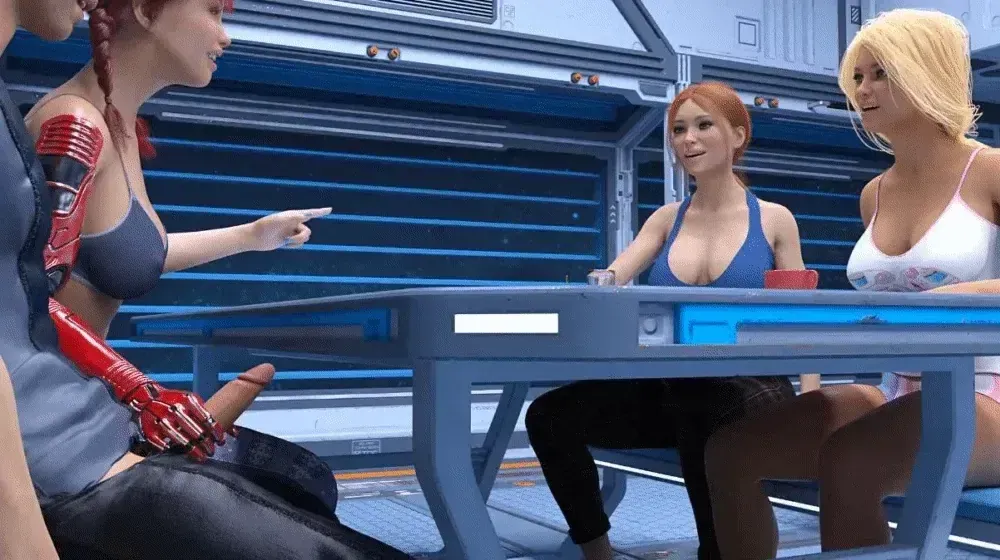





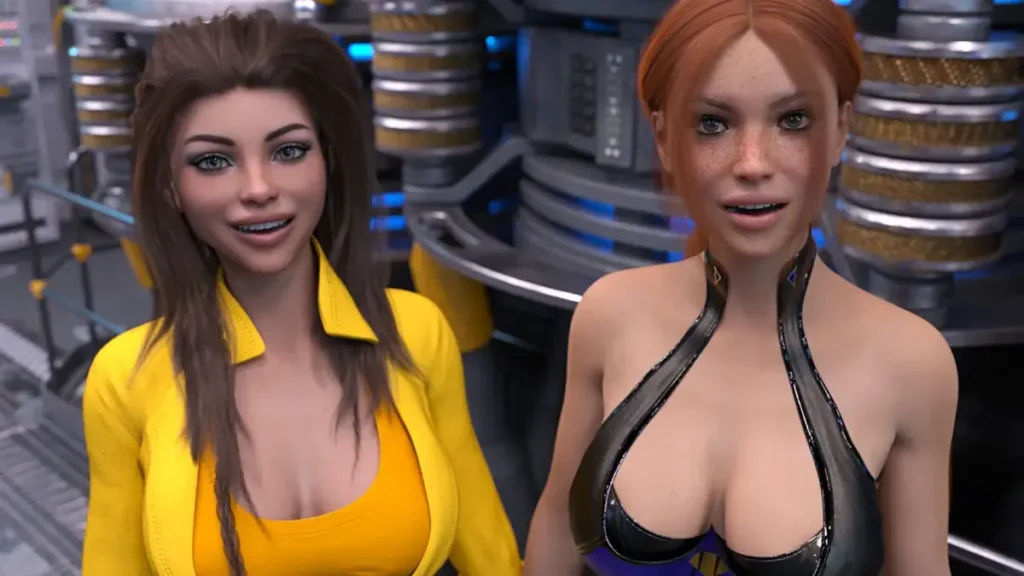

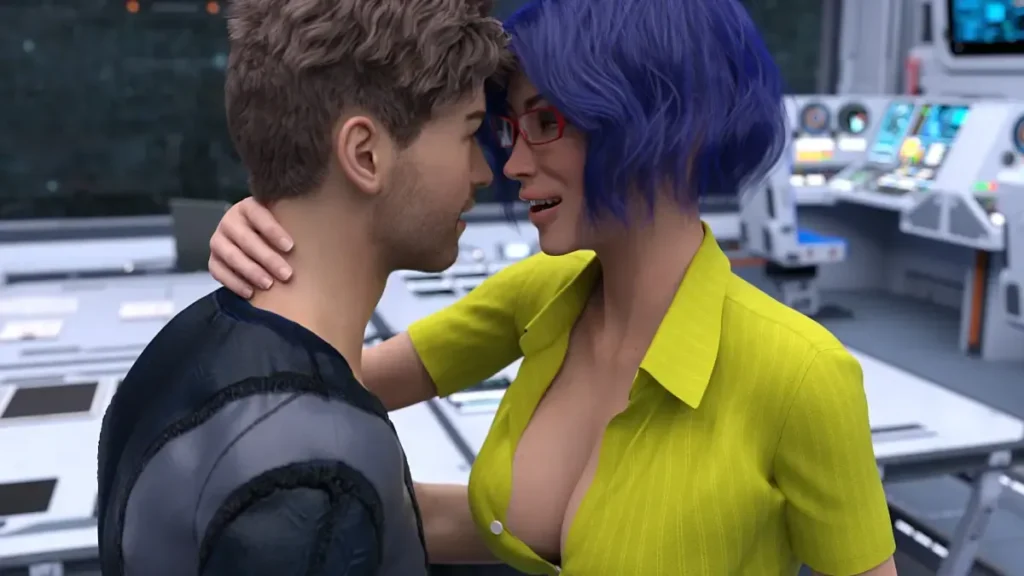


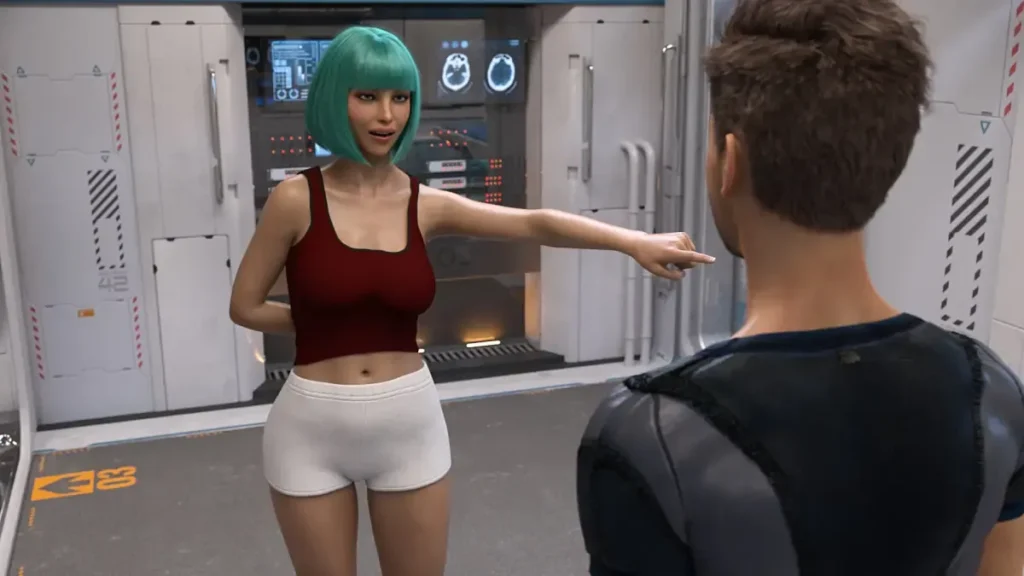

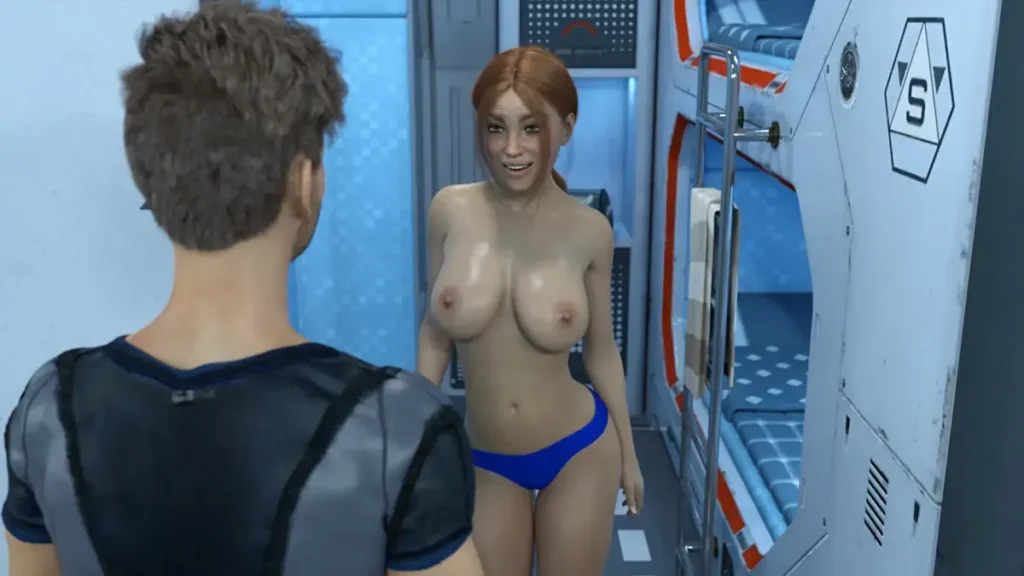
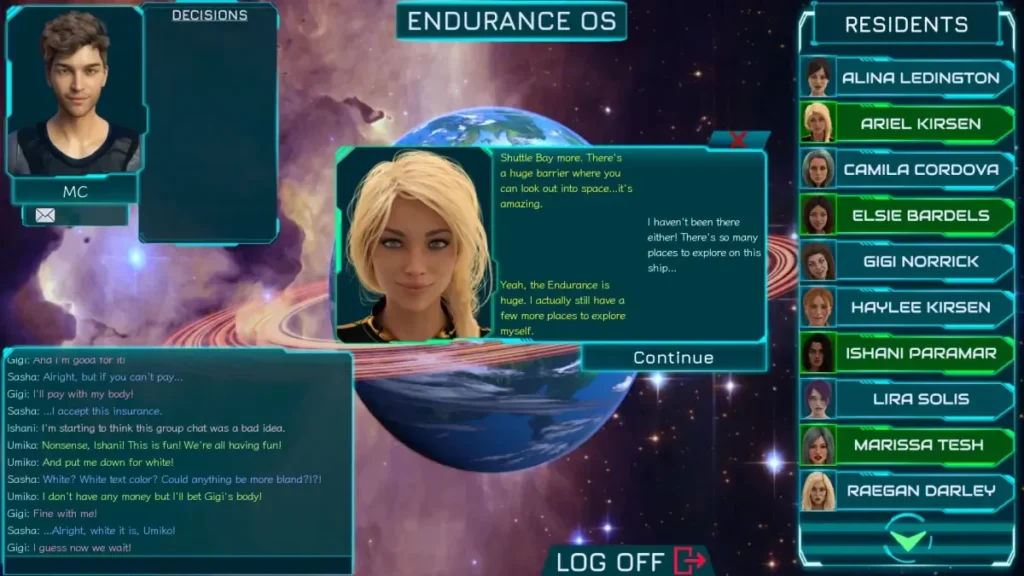

Stranded in Space review
Explore Sci-Fi Adventures and Steamy Encounters in This Addictive Title
Imagine waking up stranded on a distant spaceship, surrounded by alluring crewmates, with survival hinging on clever choices and intimate bonds. That’s the thrill of Stranded in Space, the erotic sci-fi game that’s captivating players with its blend of adventure, puzzles, and steamy interactions. I’ve sunk hours into it myself, laughing at the cheeky dialogue and getting lost in the narrative twists. Whether you’re a fan of space exploration or adult visual novels, this guide dives deep into what makes it shine— from daily challenges to building relationships that heat up the galaxy. Ready to launch into the fun?
What Makes Stranded in Space So Addictively Fun?
I still remember my first shift in the captain’s chair. Well, a chair, anyway—some random console on the bridge of the Odyssey, with stars streaking past and a massive, mysterious derelict ship looming outside the viewport. Then, bam. Everything goes dark. Alarms blare. When the lights flicker back on, I’m alone. The ship is dead in the void, my crew is missing, and that’s how my Stranded in Space journey began: with that perfect, gut-punch blend of sci-fi mystery and immediate, personal stakes. I wasn’t just playing a game; I was suddenly responsible for figuring out what is Stranded in Space all about, not as an observer, but as the guy living it. That’s the magic. You’re not just told a story; you’re shoved into the middle of one and told to survive—and maybe thrive.
The genius of this Stranded in Space sci-fi adventure is how it layers that compelling premise with human connection. You’re not alone for long. You discover your crewmates—Astrid, the brilliant but stressed engineer; Umiko, the bubbly and creative medic; and others—each as lost and anxious as you are. The core Stranded in Space gameplay loop becomes a beautifully tense balancing act: managing the ship’s failing systems, exploring for clues and resources, and slowly, carefully building relationships with the women you’re trapped with. One minute you’re rerouting power in a dusty corridor, the next you’re sharing a nervous joke in the mess hall, and those small moments of connection feel earned and real. It’s this blend of high-stakes survival and low-key, personal interaction that makes the experience so uniquely sticky.
So, what is it about this title that makes you lose entire afternoons to it? Why does thinking about your next play session feel like planning your next shift aboard the Odyssey? Let’s break down the core elements that make this game an addiction in the best possible sense. 🚀
Why the Sci-Fi Storyline Hooks You from Day One
The Stranded in Space story is the engine that powers everything. It’s not a generic “ship breaks down” plot. From that first moment, questions claw at you. What disabled the Odyssey? What’s the deal with the eerie derelict ship? Where is everyone else? The game drip-feeds answers through environmental clues, crew dialogues, and discovered logs, creating a classic “page-turner” effect. I found myself replaying day three just to catch a hint in a character’s dialogue I’d missed, a twist that recontextualized a later event.
The writing deserves a standing ovation. It has the self-aware, pulpy charm of a great sword-and-sorcery novel but translated into a sci-fi (and decidedly adult) setting. The characters are witty, their banter feels natural, and the internal monologue of your protagonist is often hilarious, cutting through tension with a well-timed, sarcastic thought. This consistent tone makes the world feel cohesive and lived-in. You’re not just pursuing intimate scenes; you’re getting to know people who are funny, flawed, and dealing with an insane situation as best they can. The narrative stakes feel high because you come to care about the people involved.
This leads to incredible replayability. The choices you make in dialogue directly influence which character paths open up, making each playthrough a unique narrative experience. I’ve focused entirely on Astrid’s route, reveling in her slow-burn, trust-building arc, and then re-started immediately to see how things unfold with the more playful Umiko. The game encourages this exploration, with a post-ending free roam that lets you tie up loose ends and a daily “laptop check” system that unveils new character-specific scenes as your relationships deepen. You’re always working toward a new reveal, a new moment of connection.
If you’re wondering what is Stranded in Space‘s secret sauce, it’s right here in the story. Here are the top 5 reasons its narrative stands out:
- Immersive, Character-Driven Writing: You’re investing in people, not just avatars. Their personalities, fears, and hopes drive the plot.
- A Perfect Mystery Box: The central sci-fi mystery is compelling enough to keep you exploring and theorizing for the long haul.
- Humorous & Self-Aware Tone: It never takes itself too seriously, making the journey consistently fun and engaging.
- Meaningful Replayability: Different dialogue choices lead to vastly different relationship outcomes and story beats.
- Long-Term Payoffs: The “laptop scene” system and extended playtime mean rewards and story developments are spaced out, keeping you coming back.
This strong foundation in storytelling is what makes the rest of the Stranded in Space gameplay so much more than the sum of its parts.
Balancing Puzzles, Exploration, and Crew Interactions
If the story is the engine, then the day-to-day Stranded in Space gameplay is the cockpit where you pilot the experience. It’s a masterclass in balancing different play styles. One day, you might spend your precious energy points on deep exploration of the derelict ship, unraveling the larger mystery. The next, you might hang back on the Odyssey, tackling repair mini-games to improve crew morale and unlock new areas.
Let’s talk about Stranded in Space puzzles. Most of them are integrated as these repair or hacking mini-games. They range from simple circuit connections to more complex memory or pattern-matching challenges. They’re generally satisfying—never feeling impossible, but requiring enough thought to make success rewarding. They directly tie into progression, as fixing systems often opens new rooms or provides resources needed for character events.
A standout, however, is Umiko’s photo hunt quest. It transforms the exploration pillar of the Stranded in Space sci-fi adventure into a delightful scavenger hunt. You’re given a list of often-humorous photo subjects (“something that shouldn’t be wet,” “the most boring thing on the ship”), and you have to comb every nook of the environment to find them. It’s brilliant because it forces you to engage with the environment in a new, playful way and directly strengthens your bond with a character. I’d love to see more puzzles woven into character interactions like this in the future—perhaps a logic puzzle to help Astrid with a calculation or a music-based mini-game for another crewmate. It deepens the connection between gameplay and relationship building.
The core loop is brilliantly simple but effective:
1. Manage Resources: Your daily energy limits what you can do. Choose wisely.
2. Explore or Repair: Advance the plot or improve your living conditions.
3. Talk to Your Crew: This is where the real game is. Every conversation can shift a relationship.
A note from a fellow player: “The game’s tone is its superpower. It’s funny when it needs to be, tense when it has to be, and the characters feel like real people you’re stuck in space with. I keep coming back just to hang out with them.”
This balance ensures the Stranded in Space gameplay never feels monotonous. You’re always choosing your own adventure.
Player Choices That Shape Your Space Odyssey
This is the heart of the addiction. Stranded in Space is a game about consequences, not just completion. Every dialogue tree is a fork in the road. Do you play the confident, reassuring leader with Astrid, or the charming, flirtatious colleague? With Umiko, do you engage with her artistic side or offer a more grounded, practical perspective? These choices aren’t marked as “Good” or “Romantic.” They’re nuanced, and they accumulate silently in the background.
My biggest piece of actionable advice? Save often, and in different slots. This isn’t just for avoiding bugs (though it helps). It’s to liberate you to experiment. See what happens if you say the risky thing. I’ve reloaded hours of gameplay not because I failed a puzzle, but because I regretted a conversational tone I’d taken with a character. The game makes you care about these digital relationships to that degree.
The Stranded in Space story branches significantly based on these choices. Pursuing one character’s path will naturally close off or alter scenes with another. You’re not just picking a love interest; you’re curating your own version of this space-bound saga. This design makes the game feel intensely personal. Your version of the protagonist and your relationships are unique.
To help visualize how to spend your days, here’s a breakdown of the core activity pillars:
| Activity Type | Primary Focus | Pro-Tip |
|---|---|---|
| Dialogue & Social | Building relationships, unlocking character-specific scenes and story paths. This is the main progression. | Focus on one or two characters per playthrough for deeper, more complete story arcs. |
| Exploration | Advancing the main sci-fi mystery, finding key items and resources, completing photo hunts. | Prioritize areas related to your chosen character’s interests for bonus dialogue. |
| Puzzles & Repairs | Improving ship systems (which can unlock new areas), earning resources, and general upkeep. | Some repairs are time-sensitive or character-locked. Don’t stress about doing everything at once. |
Ultimately, my Stranded in Space review of this aspect is simple: it’s a game about narrative immersion, not quick rewards. The “reward” is a perfectly delivered line of dialogue, a character finally opening up to you after days of careful interaction, or a new piece of the cosmic puzzle clicking into place. It’s about the journey, the slow build, and the profound satisfaction of shaping a story through your choices.
If you’re ready to start your own odyssey, remember: talk to everyone, explore everything, and don’t be afraid to save-scum to see where a different choice might lead. Your unique story aboard the Odyssey is waiting to be written. And trust me, once you start uncovering the layers of its Stranded in Space puzzles and its captivating Stranded in Space story, you’ll understand why it’s so hard to put down. In our next guide, we’ll dive deeper into the characters themselves—how to win them over and the unique stories each one has to tell. Your crew is waiting. ✨
Diving into Stranded in Space transformed my gaming nights into epic space escapades filled with clever puzzles, heartfelt connections, and plenty of excitement. From the witty dialogue to those rewarding crew bonds, it’s a title that keeps pulling you back for more. If you’re craving a mix of adventure and intimacy, grab it now and chart your own course among the stars. Share your wildest moments in the comments—what’s your favorite day or character? Let’s swap stories and tips to make your playthrough unforgettable.