
The Office
Play The Office
The Office Screenshots
















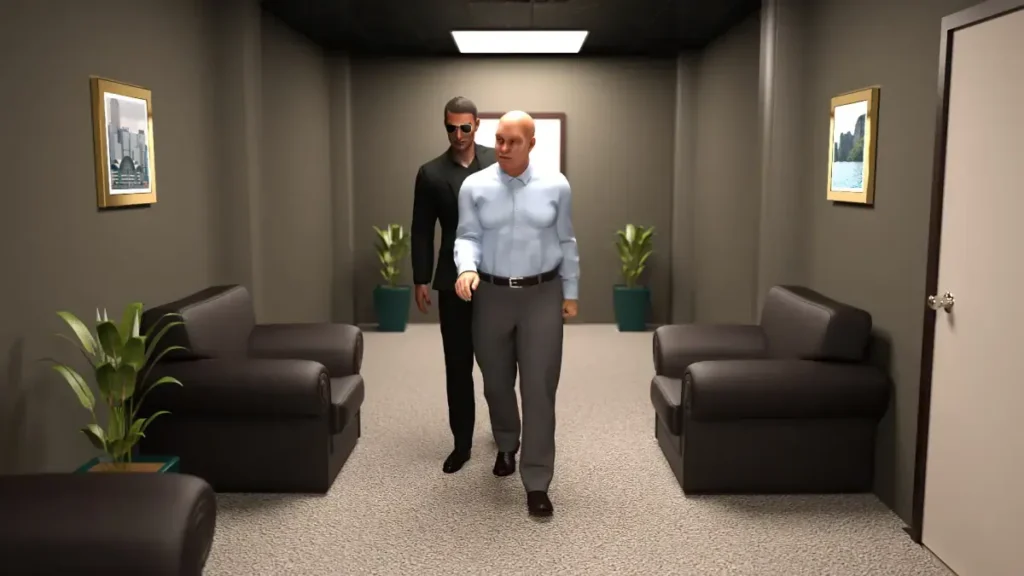









The Office review
Explore the immersive city-based simulation with 30+ characters and 100+ objectives
The Office is an interactive city exploration game that combines detective work, character investigation, and strategic decision-making in a mature-themed environment. Players navigate multiple buildings including offices, shops, apartments, and underground areas while interacting with over 30 unique characters, each with their own storylines and secrets. With more than 100 objectives to complete and numerous choices that impact gameplay outcomes, this simulation offers deep engagement through investigation mechanics, character relationship building, and career progression. Whether you’re interested in uncovering mysteries, solving puzzles, or experiencing branching narratives, understanding the game’s core mechanics and features will enhance your overall experience.
Game Mechanics and Core Features
Ever found yourself staring at the screen of The Office, utterly mesmerized by the city skyline but completely stuck on what to do next? 🤔 I’ve been there. You’ve got this sprawling urban playground, over 30 characters with their own dramas, and a journal packed with over 100 goals. It’s exciting but can feel overwhelming. The magic—and the madness—lies in mastering the game’s interconnected systems. Let’s break down the core The Office game mechanics so you can move from confused newbie to a master of corporate and urban intrigue. 🏙️💼
This isn’t just about clicking through dialogues; it’s about living a dual life. One moment you’re a rising star at the ad agency, the next you’re digging through a pawn shop for clues or confronting a colleague in a shadowy dance club. The game brilliantly blends city exploration simulation with deep narrative puzzles. Think of it as part detective story, part life simulator, where every interaction and every discovered secret pushes your unique story forward.
Exploration and Interactive Environments
The city in The Office isn’t just a pretty backdrop—it’s a living, breathing character and your primary tool for investigation. The city exploration simulation is built on a principle of active exploration. You can’t just wait for the story to come to you; you have to hit the streets and interact with everything. 🚶♂️
Each location is a self-contained stage for drama, clues, and progression. Your character’s apartment is your home base for reflection, while the sleek condominium represents the life you’re climbing toward. The ad agency office is, of course, the heart of your professional world, where every desk and office corridor holds potential secrets. But the real intrigue often lies elsewhere. The seedy pawn shop might hide a crucial piece of evidence, a quiet restaurant could be the setting for a tense informational meeting, and the echoing tunnels of the underground sewer… well, let’s just say you don’t go there for the ambiance. 😨
The interactive building exploration is key. You don’t just “enter” a location; you examine specific points of interest. In the office, this means scrutinizing colleagues’ desks when they’re not around (a risky but rewarding move). In the spa or dance club, you might overhear conversations or find items left behind. This environmental storytelling is how you piece together the larger mysteries without a single character spelling it out for you.
My “Aha!” Moment: I spent ages stuck on an early objective about a missing project file. I’d questioned everyone at the office with no luck. On a whim, I visited the dance club late at night and examined the VIP booth. Tucked under a seat was a cocktail napkin with a scribbled phone number. Calling it from my apartment phone triggered a whole new chain of events. The game rewards the curious!
To help you navigate, here’s a breakdown of some crucial locations and what they offer:
| Location | Primary Purpose | Key Interactive Elements |
|---|---|---|
| Ad Agency Office | Career progression, colleague interactions, desk investigations | Desks, computers, meeting rooms, the boss’s office, filing cabinets |
| Pawn Shop | Selling found items, recycling for clues, unique purchases | Shop counter, display cases, recycling bin in the back |
| Apartment / Condominium | Player home base, receiving calls, reviewing journal | Telephone, journal, wardrobe (for some events) |
| Dance Club & Restaurant | Social meetings, extracting information in neutral settings | Seating areas, bar, VIP sections, bathrooms (for secret chats) |
| Underground Sewer | Late-game exploration, encountering supernatural elements | Dark pathways, hidden items, environmental hazards |
Character Interaction and Investigation Systems
This is where The Office truly shines. With over 30 characters, from ambitious interns to skeptical managers and enigmatic outsiders, everyone has a role to play in your story. The character investigation gameplay is a delicate dance of conversation, observation, and pressure.
You don’t have a simple “good cop/bad cop” dialogue wheel. Instead, you build an information web. Every chat reveals new topics you can ask about. Maybe Sofia in Accounting mentions a conflict with Mark from Logistics. You then find Mark and bring up Sofia’s name, which might unlock a new, more secretive topic about budget discrepancies. It’s a puzzle where the pieces are hidden inside people.
The systems at play include:
* Extracting Information: Using known facts to prompt new revelations. Building rapport by doing favors is often key.
* Discovering Secrets: This happens by cross-referencing stories, finding physical proof (often through interactive building exploration of their desks or other locations), and confronting them with evidence.
* Forcing Confessions: The climax of many investigations. This usually requires irrefutable evidence—a photo, a document, a recorded conversation—presented at the right time and place. Cornering someone in their office or a private setting often yields better results than a public confrontation.
And then, there are the ghosts. 🕯️ Zoe’s ghost often appears as a guide or a tragic figure tied to the office’s past, providing cryptic clues that advance certain mystical objectives. The more sinister ghost, however, represents a direct threat, often linked to the sewer systems and darker choices you make. Interacting with them isn’t about conversation; it’s about surviving their mechanics, often by using specific items found during your exploration or making morally consequential choices.
Personal Insight: I once botched a crucial investigation by moving too fast. I had circumstantial evidence against a co-worker and accused them immediately in the middle of the open office. They clammed up, everyone’s trust in me plummeted, and the objective failed. I learned that timing and privacy are everything in the character investigation gameplay.
Objective Completion and Progress Tracking
With 100+ objectives, you might worry about getting lost. Fear not! The game’s objective completion system is anchored by your personal journal. This journal is your bible, automatically updating with active and completed goals, clues you’ve found, and topics of interest you’ve discovered about people. It’s not just a checklist; it’s a narrative compass.
Objectives range from simple (“Deliver the report to the manager”) to complex multi-stage mysteries (“Uncover who is embezzling agency funds”). They intertwine seamlessly with career progression in The Office. You might start with mundane tasks as an intern, but completing objectives related to major accounts or office politics is what triggers promotions. Climbing the ladder from a junior role to Executive, Manager, Director, and eventually CEO is a direct result of your investigative and strategic success. Each new title unlocks access to new areas of the office, new sensitive information, and greater influence over your colleagues’ fates.
Your choices directly shape your progress. Deciding to cover for a friend might forge a powerful alliance that helps you later, but it could also close off a path to evidence. Exposing someone might earn you a promotion but turn entire departments against you. This dynamic world means your playthrough is uniquely yours.
Let’s look at a practical example of how to complete objectives. One early, rewarding objective is earning “Sofia’s $1000 Reward.”
- Trigger the Objective: Talk to Sofia in the Accounting department. She’ll mention a missing family heirloom (a vintage necklace) and offer a $1000 reward for its return.
- Gather Intel: Ask around the office subtly. Check your journal; maybe another character has a “Likes to pawn things” topic unlocked. This points you to the Pawn Shop.
- Explore and Find: Visit the Pawn Shop. Examine the display cases through the interactive building exploration mechanic. You should spot the necklace.
- The Choice: Here’s the decision point. You need money to buy it back.
- Option A: Use your own saved salary (if you have enough).
- Option B: Try to persuade the pawn shop owner to lower the price by completing a small favor for him (like finding a specific rare item elsewhere in the city).
- Option C: Steal it (very high risk, can lead to police involvement and ruin your career if caught).
- Conclude: Once you have the necklace, return it to Sofia. You’ll receive the $1000 cash reward, a significant trust boost with her, and a new topic of conversation about her family that may lead to even deeper secrets.
Finally, don’t ignore the smaller systems that aid your progress. The lottery system is a pure gamble but can inject quick cash into your endeavors. The recycling mechanics at the pawn shop are more strategic. You can take junk items found around the city (old magazines, broken devices) and “recycle” them for a small chance to receive a completely new, sometimes rare, item useful for other objectives. It’s always worth a try!
Mastering The Office game mechanics is about understanding that everything is connected. Your exploration fuels your investigations, which completes your objectives, which advances your career, which opens up new areas to explore. 🎯 It’s a magnificent, immersive loop. So open your journal, pick a goal, and start digging. The city—and all its secrets—is waiting for you to leave your mark.
The Office game delivers a rich, choice-driven experience that combines exploration, investigation, and strategic decision-making within a detailed city environment. With its extensive character roster, branching narratives, and multiple progression paths, players have significant agency in shaping their gameplay experience and outcomes. Whether pursuing career advancement to CEO status, uncovering character secrets, or completing the 100+ available objectives, the game rewards careful investigation and thoughtful decision-making. The interconnected systems—from character relationships to resource management—create a cohesive experience where every choice carries weight. For players seeking an immersive simulation with meaningful consequences and diverse gameplay possibilities, The Office offers substantial depth and replayability through its multiple storylines and decision branches.