
The Sin Within
Play The Sin Within
The Sin Within Screenshots


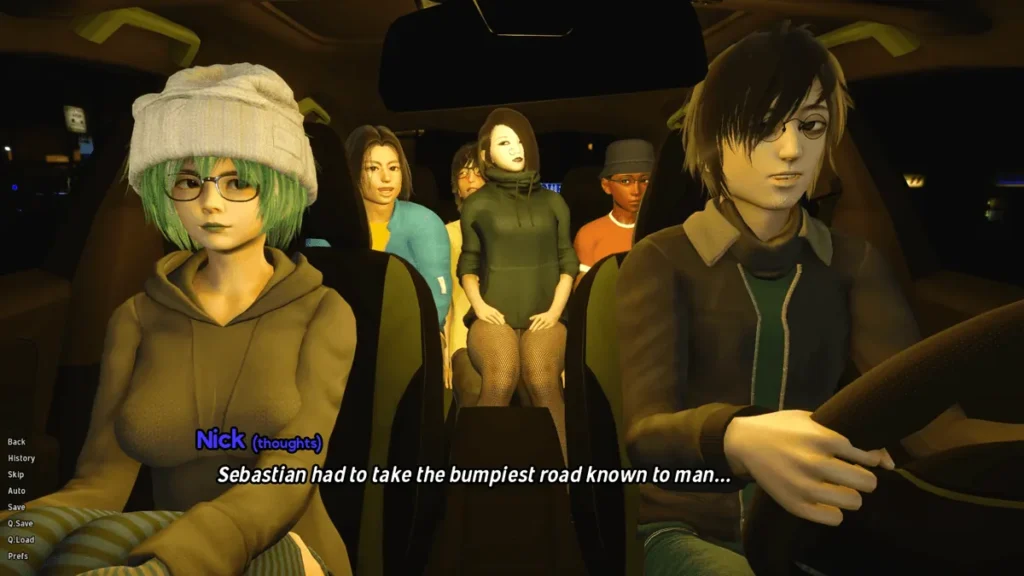
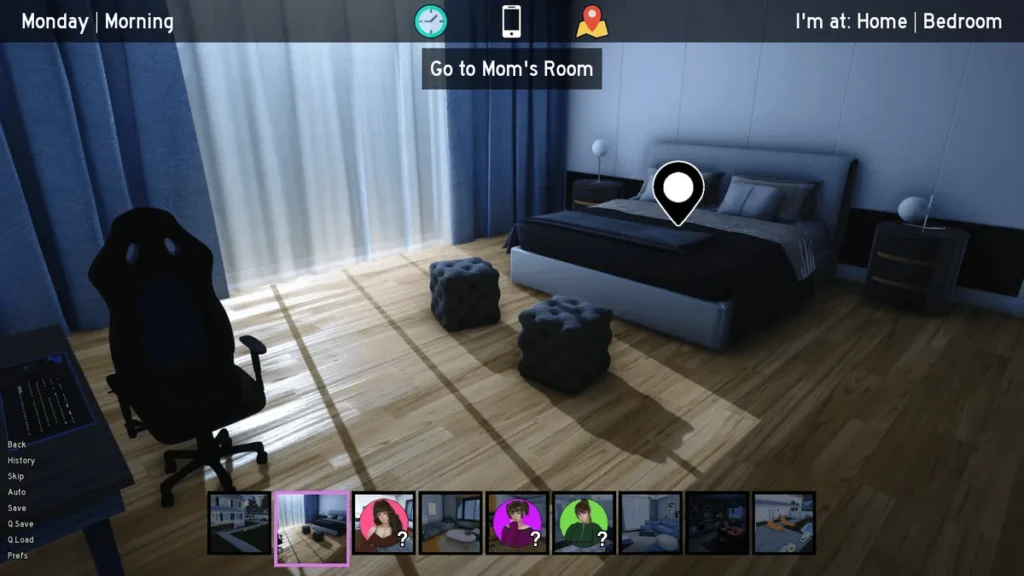
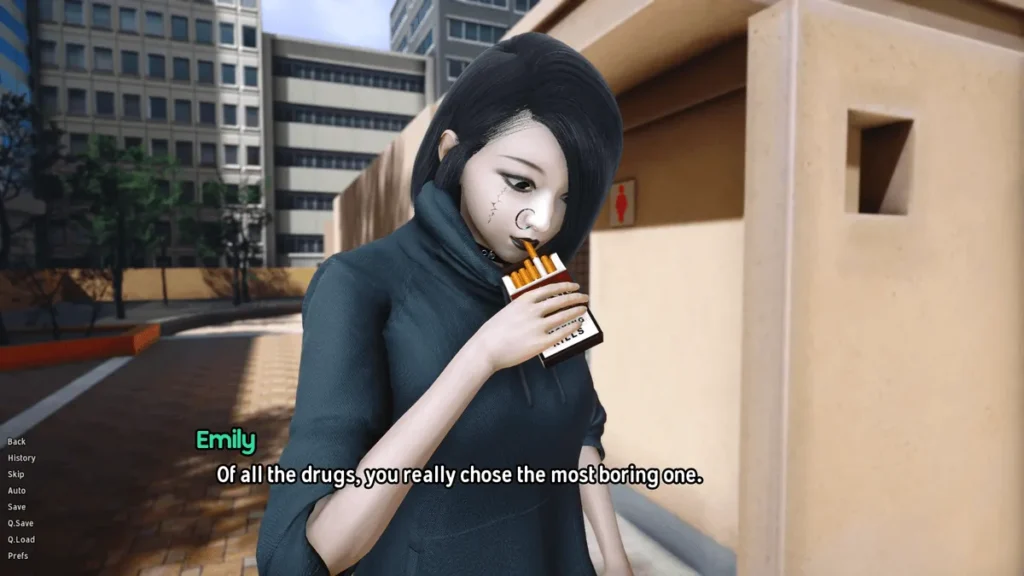
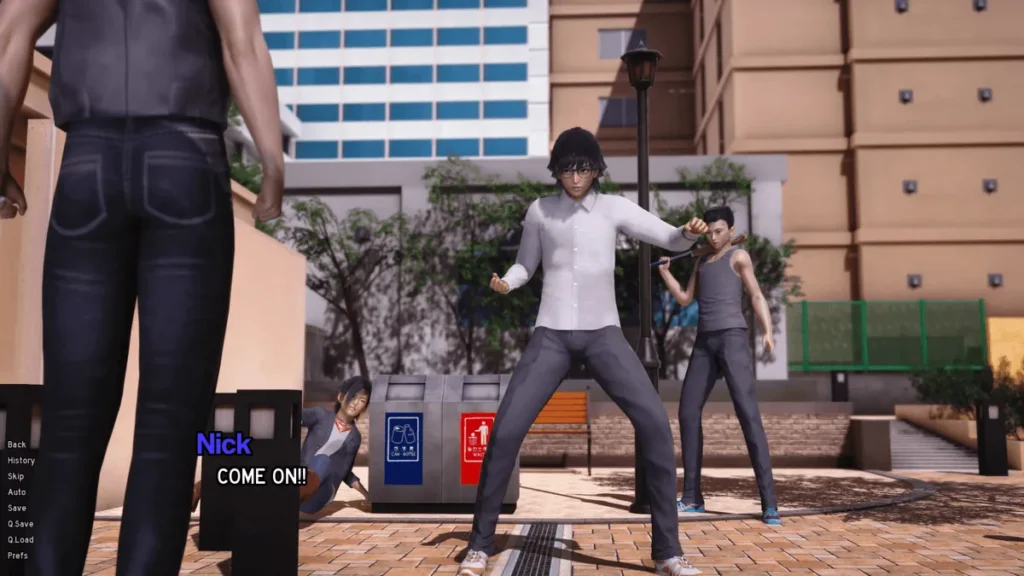


The Sin Within review
An in-depth article structure focused on The Sin Within game
The Sin Within is a narrative-driven adult-oriented game that blends psychological horror, character-driven storytelling, and mature interactive scenes; this article will unpack its story, mechanics, content warnings, and practical tips for players while sharing personal impressions and actionable advice. In this introduction I’ll hook the reader with a quick overview of the atmosphere and stakes, explain why coverage of The Sin Within matters for players seeking mature narrative experiences, and set expectations for spoilers and content warnings going forward.
Story and Atmosphere: What The Sin Within Is About
Let’s be honest, when you fire up a game called The Sin Within, you’re not expecting a cheerful romp through a sunflower field. You’re signing up for something darker, something that pokes at the uncomfortable corners of the mind. This chapter is your deep dive into exactly that: the rich, disturbing, and utterly compelling narrative world that makes this psychological horror game The Sin Within so unforgettable. We’re peeling back the layers on The Sin Within story, meeting the broken souls who inhabit it, and seeing how your decisions shape their fates. Buckle up. 😨
Core narrative and main characters
At its heart, The Sin Within story is a descent into a fractured psyche, masked as a detective thriller. You step into the worn shoes of Detective Eli Greer, a man haunted by his own past failures, who is called to investigate a series of bizarre murders at the secluded Blackwood Monastery. The setting is a character in itself—a decaying, rain-slicked gothic structure perched on a lonely cliff, whispering secrets from every shadowy corridor. The timeline is deliberately murky, blending Eli’s present investigation with haunting flashes of his personal history and the monastery’s own bloody past.
The The Sin Within characters are not your typical hero-and-villain archetypes; they are deeply flawed mirrors reflecting themes of guilt, penance, and hidden corruption. Eli is our anchor, and his motivation is a tangled mess of professional duty and a desperate, personal need for atonement. Then there’s Father William, the monastery’s imposing leader whose stern faith may hide something far more sinister. Anya, a troubled young woman seeking refuge within the walls, becomes a pivotal figure, her fate often resting directly in your hands. Each character you meet feels like a piece of a psychological puzzle, and understanding their motivations is key to unraveling the truth.
My first time meeting Anya stuck with me. She wasn’t just a quest giver; she was trembling, her eyes darting, speaking in fragments about “the whispers in the walls.” It immediately signaled that the horror here wasn’t just about monsters—it was about the erosion of sanity, and I was already invested in her survival.
To keep the cast clear, here’s a quick breakdown of the central figures:
| Character | Role & Motivation | Key Relationship to Eli |
|---|---|---|
| Detective Eli Greer | The player character. A detective seeking redemption for a past tragedy, using the case to run from his own demons. | — |
| Father William | The authoritarian head of Blackwood Monastery. Motivated by a fanatical desire to “cleanse” sin, by any means necessary. | Antagonist / Unwitting Mirror: Eli sees his own obsessive nature reflected in William. |
| Anya | A runaway seeking sanctuary. Motivated by fear and a desire to escape her past, she becomes the heart of the game’s moral choices. | Catalyst for Protection: Eli’s instinct to save her challenges his detached professionalism. |
| The “Whispering Madness” | The enigmatic force within the monastery. It preys on guilt and manifests personal fears and sins. | Psychological Antagonist: It directly attacks Eli’s deepest regrets, making the horror personal. |
Themes and tone: psychological horror and moral ambiguity
Forget jump scares (well, mostly). The true power of this psychological horror game The Sin Within is its tone of pervasive dread and its obsession with moral ambiguity. The themes are mature and heavy-hitting: identity (Who are we beneath our guilt?), transgression (What makes a sin unforgivable?), and the very nature of justice versus vengeance.
The horror is psychological because it’s internalized. One scene that absolutely gutted me involved Eli exploring a childhood memory. The environment subtly shifted—friendly colors draining away, familiar voices turning accusatory—without a single monster appearing. The terror came from the slow, sickening realization of what this memory truly was and how it defined him. It’s masterful environmental storytelling where every flickering light and distant echo feels like a judgement.
The game constantly asks you, “What is the right thing to do?” but refuses to give easy answers. Is showing mercy to a corrupted figure a virtuous act or a naive mistake that will get others killed? Is uncovering the brutal truth always better than preserving a fragile peace? Your choices matter because they are between shades of gray, not good and evil.
My note in my playthrough journal for this section literally reads: “Felt physically heavy after choosing to confront Father William in the chapel. Not scared… just morally exhausted.”
This is the core of the mature narrative game review perspective. The Sin Within treats its audience like adults, presenting complex dilemmas that linger long after you put the controller down. The atmosphere is thick with Gothic melancholy and a sense of irreversible decay, making Blackwood Monastery feel less like a location and more like a physical manifestation of guilt itself. 😶🌫️
How the story unfolds: pacing, chapters, and player choices
So, how does this dense, atmospheric tale actually play out? The Sin Within narrative choices are the engine driving everything. While the overarching plot has a defined destination (the truth behind the murders), your journey there is uniquely yours. The structure is semi-linear, divided into distinct chapters—think “The First Night,” “Shadows of the Past,” “The Crucible”—that each focus on a new layer of the mystery or a character’s backstory.
The pacing is slow-burn and deliberate. The first few hours are dedicated to building unease, introducing characters, and letting you soak in the oppressive atmosphere. Some might call this slow, but I found it essential. It makes the later chapters, when the psychological and supernatural elements violently collide, feel incredibly earned and devastating. The game isn’t afraid of quiet moments, using them to let your paranoia simmer.
Now, let’s talk about those all-important The Sin Within narrative choices. They aren’t always labeled with big, flashy prompts. Often, they’re subtle:
* A dialogue option questioning someone’s motives versus offering them comfort.
* A physical action, like deciding to destroy a disturbing ritual object or secretly pocket it as evidence.
* A key moment of intervention—do you burst into a room to stop a confrontation, or listen at the door to learn more?
These choices branch the narrative in significant ways. They determine who trusts you, who survives certain ordeals, and ultimately, which of the game’s several endings you unlock. The genius is that the consequences are often delayed. A seemingly compassionate lie in Chapter 2 might return to brutally haunt you in Chapter 5.
Practical Advice for the Story-Focused Player:
* Save Often and in Multiple Slots: This is non-negotiable. Before any major conversation or when entering a new area, create a new save. You’ll thank yourself when you want to see how a different choice plays out without replaying hours of content. 💾
* Observe Everything: The story is told in documents, environmental details, and the weary expressions on characters’ faces. Read the journals, examine the strange artwork, and listen to the full dialogue.
* Avoid Spoilers at All Costs: The impact of the narrative hinges on discovery and surprise. Go in as blind as possible. Mute social media channels about the game until you finish your first playthrough.
* Embrace Your First Instincts: For your initial run, don’t try to “game” the system. Choose what feels right for Eli (or for you). The emotional payoff is far greater when the consequences feel earned.
Example: A Brief Playthrough Case Study
In my first playthrough, I played Eli as a world-weary but fundamentally compassionate man. When I found Anya trying to flee the monastery in a panic mid-game, I had a choice: forcefully restrain her for her “own safety” (as Father William urged) or calmly persuade her to stay, promising I’d protect her. I chose persuasion, a difficult series of timed dialogue options that required remembering details of earlier chats with her.
This single choice had a ripple effect. Because I gained her deeper trust, she later voluntarily gave me a hidden key item that exposed a crucial plot secret. In the finale, she actively helped me by creating a diversion. However, the “safer” path of restraining her would have kept her locked away, making the final act more isolated and combat-focused. Her survival and role were a direct result of that one moment of patience. It didn’t feel like picking “Good Option B,” but like truly building a relationship that altered the story’s fabric. This is the power of The Sin Within narrative choices.
Reflections on Payoff & Replay Value
The emotional payoff of The Sin Within is profound. Reaching an ending—whether it’s bleak, bittersweet, or cautiously hopeful—feels weighty because you feel responsible. This isn’t a story you simply watch; you collaborate in its telling. That responsibility creates a powerful connection to the The Sin Within characters and their fates.
This inherent moral ambiguity is what gives the game staggering replay value. You’re not just replaying to collect trinkets; you’re replaying to live another version of Eli’s story. Could a harder, more cynical detective have prevented certain tragedies? Would blindly following Father William’s fanatical lead bring a swifter, cleaner resolution? The different endings aren’t just cutscene variations; they are thematic conclusions that comment on the path you chose. For anyone who values story in games, The Sin Within story offers a deep, dark well of narrative possibilities to explore. It’s a journey into the self, and trust me, you’ll want to take it more than once. 🔁
The Sin Within offers a focused, mature narrative experience that combines psychological tension with interactive choices; this article summarized its story, mechanics, content considerations, audiovisual design, community aspects, purchasing guidance, and practical tips for players. If you’re considering the game, use the content warnings and setup checklists above, experiment with one of the recommended playstyles, and join moderated community spaces to get the most from the experience. If you found this structure useful, try the outlined tips during your first playthrough and share your impressions with a community that respects boundaries.