
Unnatural Instinct
Play Unnatural Instinct
Unnatural Instinct Screenshots
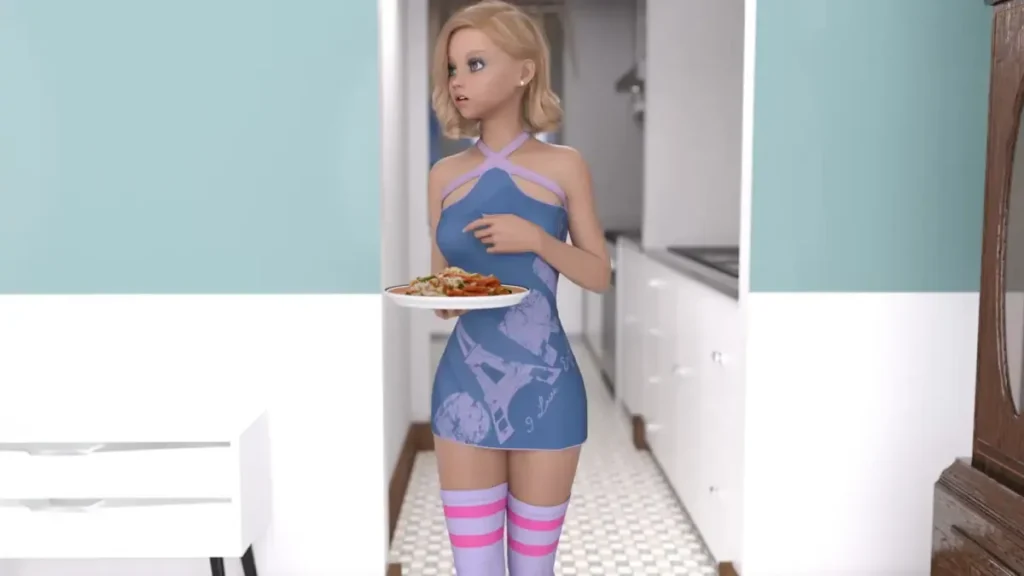



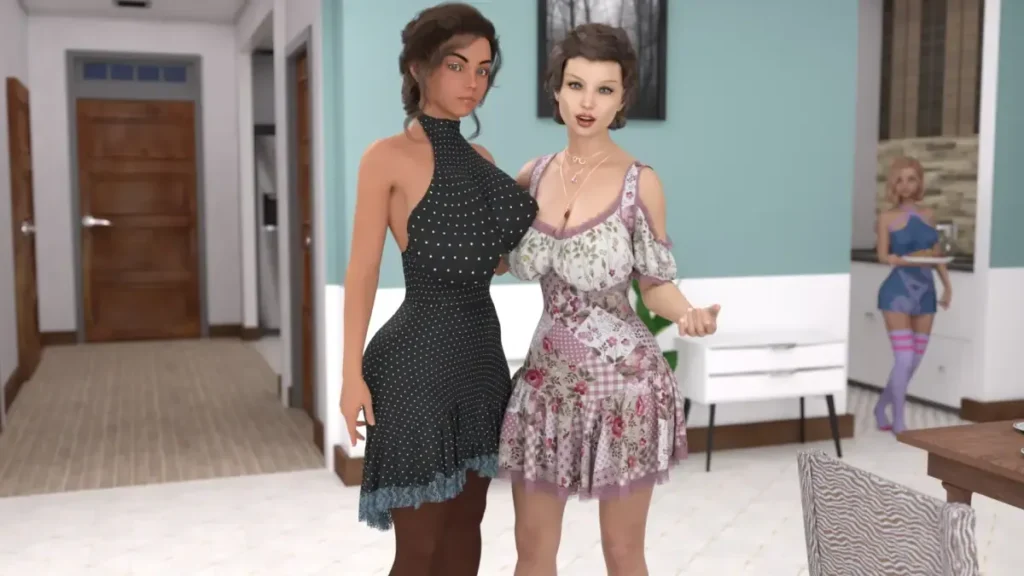

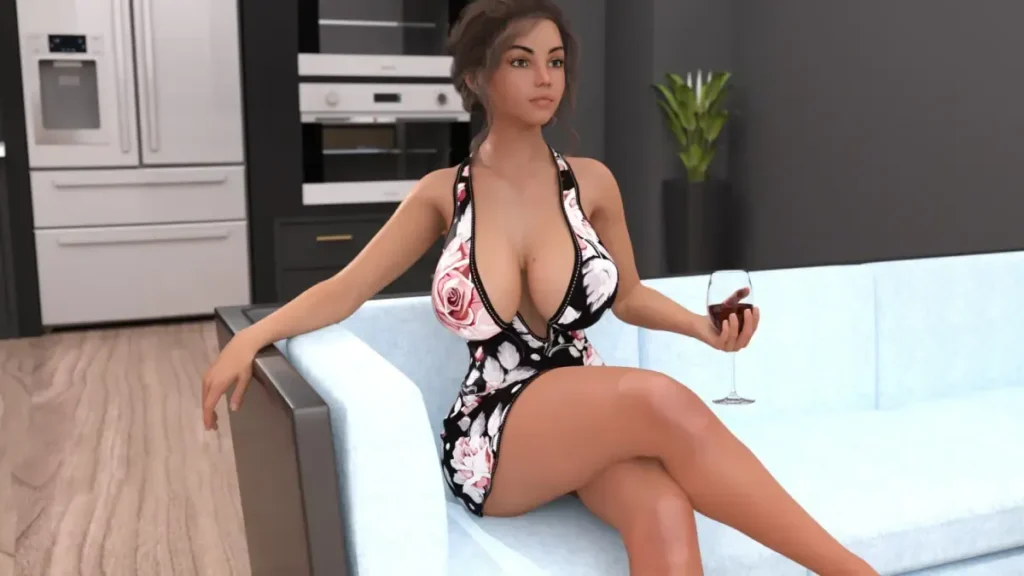
Unnatural Instinct review
Exploring power dynamics, identity, and player agency in this unconventional interactive experience
Unnatural Instinct stands out in the interactive fiction landscape for its bold storytelling and unconventional mechanics that challenge traditional gaming narratives. This game masterfully weaves psychological themes throughout its experience, forcing players to confront uncomfortable questions about power, consent, and identity. Rather than simply observing a story unfold, you become an active participant in a narrative that deliberately blurs the lines between victim and accomplice. The game’s setting—a mysterious manor that shifts and changes—serves as more than mere backdrop; it becomes a living character reflecting your psychological state. As you progress through intricate puzzles and ritual components, you’ll discover that every choice carries weight, and your continued participation becomes a form of consent to the unfolding events. Understanding what makes Unnatural Instinct unique requires examining how it transforms traditional gameplay into a vehicle for exploring complex psychological concepts.
The Core Narrative and Setting of Unnatural Instinct
Most interactive stories hand you a role—hero, detective, explorer—and a clear goal. Unnatural Instinct does something far more interesting, and far more unsettling. It doesn’t hand you a goal; it imposes a command. You are not here to save the day. You are here to perform a ceremony, piece by intricate piece, for a mysterious figure known only as the Heir. This foundational shift is what makes the Unnatural Instinct narrative structure so compelling. It’s a masterclass in interactive fiction storytelling that trades traditional empowerment for a profound exploration of compliance, obsession, and the slow erosion of self.
I remember the moment it clicked for me. In other games, finding a strange key or solving a grandfather clock puzzle leads to a new area, maybe a bit of lore. Here, I solved a complex musical box sequence, not to unlock a door, but to acquire a “vessel of resonant sorrow.” The item didn’t go in my inventory; it was cataloged in the Heir’s growing ritual checklist. The victory chime felt hollow, replaced by a creeping dread. I wasn’t progressing my story; I was diligently assembling my own psychological trap.
What Is the Central Story of Unnatural Instinct?
At its heart, the core story of Unnatural Instinct is deceptively simple: obey. You arrive at a vast, decaying manor summoned by a letter from the Unnatural Instinct Heir character, a being you never fully see but constantly feel. Your mandate is to prepare and complete a grand, ancient ceremony within the estate. There is no quest to uncover “why” you were chosen, no hidden truth about the Heir to expose for a liberating climax. The narrative tension doesn’t come from unraveling a mystery outside yourself, but from the one growing within.
The genius of this psychological horror game narrative is its focus on internal conflict over external plot. The story is the ritual. Each step—finding a specific underbelly scale from a statue, mixing paints with mortar and memory to restore a fresco, aligning light through stained glass to create a “blessed shadow”—advances the ceremony. You are given meticulous, often arcane instructions, and the game brilliantly tracks your devotion to them. The ledger of components fills up not with loot, but with existential ingredients.
This is where the game subverts all expectation: your motivation is the central puzzle. Are you doing this out of fear? Curiosity? A twisted sense of duty? Or has the manor’s atmosphere and the Heir’s will simply… rewired your purpose?
The plot is a countdown to a moment you are simultaneously building and dreading. This creates an incredible sense of narrative inevitability. You are both the architect and the sacrificial offering of this story. The Unnatural Instinct narrative structure refuses to let you be a bystander; you are the central, active, and complicit agent in a tale that feels deeply, personally wrong. It’s a story told through actions, not cutscenes, making your compliance the most powerful narrative device of all. 🕯️
To understand just how different this approach is, let’s look at how it stands apart from more traditional forms of interactive fiction.
| Narrative Element | Traditional Interactive Fiction | Unnatural Instinct |
|---|---|---|
| Core Driver | Player Curiosity & Agency: “I want to explore and see what happens.” | Imposed Mandate & Compliance: “I have been told to complete this.” |
| Setting Role | Stage or Obstacle Course: A backdrop for events or a series of challenges to overcome. | Active, Reactive Character: A dynamic entity that shifts and breathes with the player’s psychological state. |
| Puzzle Purpose | Gatekeeping or Rewarding: Locks progress or grants power-ups, items, or story reveals. | Ritualistic Component Gathering: Each solved puzzle directly contributes to the culminating, dreaded ceremony. |
| Character Relationship | Alliance or Opposition: NPCs are helpers, vendors, or villains with clear agendas. | Unseen Authority & Pressure: The Heir is a pervasive presence that judges compliance, not a character to befriend or defeat. |
How Does the Manor Function as a Character?
If the Heir is the commanding voice, the manor is the trembling, living body. This isn’t a static haunted house with predictable jump scares. This is a prime example of dynamic game environment design where the very walls, halls, and lighting are in dialogue with your mind. The manor doesn’t just contain the story; it reacts to it—specifically, to your mental state as you engage with it.
Early on, the halls feel merely old and abandoned. But return to a corridor after committing a particularly unsettling act for the ritual, and you might find the wallpaper has bled a new pattern, or that a previously locked door is now slightly ajar, whispering. The space physically reshapes itself based on your progression and, more subtly, your moments of hesitation or resolve. This isn’t random. It’s a feedback loop. The environment reflects your growing entanglement with the ceremony, making your psychological journey manifest in brick and mortar.
I had a powerful personal experience with this. After spending a long, frustrating session trying to solve a puzzle involving a room of portraits, I left feeling agitated. When I loaded my save later, the portraits in that room were all slightly crooked, and the air held a faint, discordant hum that hadn’t been there before. The game wasn’t punishing me; it was mirroring me. The manor felt like an externalization of my own frustration and building anxiety. This dynamic game environment design ensures you are never in a neutral space. You are always inside the psyche of the story.
The atmosphere is therefore not just crafted through sound and shadow (though it excels at those), but through this principle of transformation. A library might feel warm and scholarly one day, only to feel like a cage of judging, silent texts the next, simply because you have changed. The manor breathes, shifts, and watches, making it the most constant and unsettling presence in the game—more so than any ghost or monster. It’s your prison, your temple, and your reflection, all at once. 🏚️
The Role of Ritual and Puzzle-Solving in the Narrative
This is where the gameplay and narrative become inseparable, creating a truly unique fusion. Puzzle solving in interactive fiction is typically a test of intellect—a lock to pick, a riddle to solve, a pattern to recognize. In Unnatural Instinct, puzzle-solving is a test of will. These aren’t mere obstacles; they are the literal steps of the ceremony. This is the core of its ritual-based gameplay mechanics.
Every challenge you face is framed as acquiring a component or performing a specific rite. You’re not just arranging tiles to open a door; you’re “Rekindling the Hearth of Absent Voices” to obtain an ember for the final pyre. The mechanics serve the lore completely. This transforms the act of playing from “how do I beat this?” to “should I be doing this?” Each solved puzzle is a step of profound narrative progression, bringing you inexorably closer to an end you are meant to fear.
The puzzles themselves are often intricate, rooted in the estate’s own twisted logic and history. They require observation, experimentation, and sometimes, a surrender to the game’s unnatural rules. But the real genius is in the payoff. There’s no treasure chest. Instead, you might hear the distant, approving chime of a bell from the manor’s highest tower, or see your latest acquisition—a crystallized tear, a knot of sorrowful wood—appear in the Heir’s sacred ledger. The feedback is narrative, not material.
This ritual-based gameplay mechanics loop creates a powerful and disturbing psychology:
1. You engage with a beautiful, complex puzzle (the fun, familiar part).
2. You solve it (the dopamine hit of success).
3. You are confronted with the fact that your success has advanced a horrifying ceremony (the crushing narrative consequence).
You are made complicit through your own skill and intelligence. The game makes you an eager participant in your own subjugation. It brilliantly uses the inherent satisfaction of puzzle solving in interactive fiction against you, warping it into a tool for dread.
Furthermore, the ritual framework elevates every object. A simple dagger isn’t a weapon; it’s the “Instrument of Final Consent.” A common looking pool in the garden is the “Basin for Unmaking.” The environment becomes a checklist of sacred, macabre items, and your interaction with it is always purposeful, always driving the core psychological horror game narrative forward. You stop seeing a game world and start seeing an altar in need of preparation. 🧩
In conclusion, Unnatural Instinct builds its unforgettable experience by perfectly fusing its parts into a disturbing whole. Its Unnatural Instinct narrative structure rejects freedom for compelled purpose. Its setting is a dynamic game environment design masterpiece that externalizes the player’s mind. Its challenges are ritual-based gameplay mechanics that transform classic puzzle solving in interactive fiction into acts of solemn, dreadful devotion. All of this orbits the unseen but all-pervading presence of the Unnatural Instinct Heir character, the silent beneficiary of your labor.
This isn’t a game about escaping a nightmare. It’s a game about methodically, intelligently, and willingly building the nightmare to its conclusion, then standing center-stage within it. The story isn’t told to you; it’s performed by you, making its psychological impact not just observed, but deeply, uncomfortably lived.
Unnatural Instinct represents a significant departure from conventional interactive fiction by weaponizing its mechanics to explore uncomfortable psychological truths. The game doesn’t simply tell a story about power, consent, and identity—it forces you to experience these concepts firsthand through your choices and actions. The mysterious manor, the commanding Heir, and the escalating ritual create an atmosphere where every puzzle solved and every command obeyed becomes a statement about your own agency and complicity. What makes this experience particularly effective is how the game refuses to let you remain a passive observer; your continued participation is itself a form of consent, making you an active architect of your own subjugation. As you progress through the narrative, the boundaries between your desires and the imposed goals blur until you’re left questioning who you’ve become through the process. This psychological depth, combined with unconventional gameplay mechanics, establishes Unnatural Instinct as a thought-provoking exploration of how interactive media can challenge players’ understanding of agency, choice, and identity in ways traditional narratives cannot achieve.