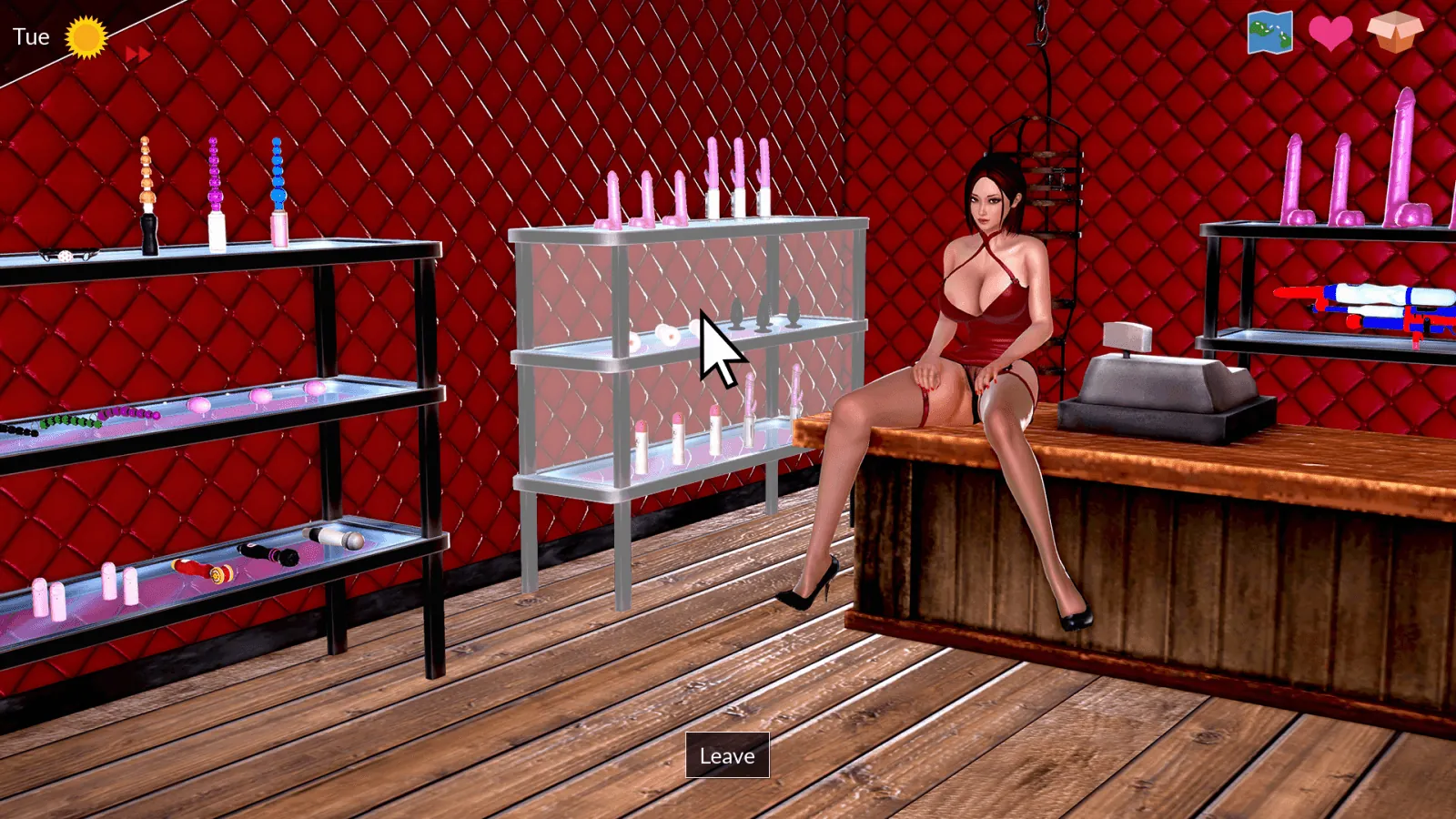
A Wife’s Phone
Play A Wife’s Phone
A Wife’s Phone Screenshots






A Wife’s Phone review
Exploring the concept, gameplay, and themes of ‘A Wife’s Phone’
If you’ve come across the name ‘A Wife’s Phone’, you’re probably curious about what kind of experience it offers. ‘A Wife’s Phone’ is a game that puts players in the role of someone exploring a spouse’s mobile device, uncovering messages, photos, and personal details. The title has drawn attention for its intimate, voyeuristic setup and the emotional tension it creates. In this article, we’ll take a close look at ‘A Wife’s Phone’, how it works, what players can expect, and why it stands out in its genre.
Understanding ‘A Wife’s Phone’
Have you ever held your partner’s phone when a notification lit up the screen? That tiny, fleeting moment of curiosity—what’s that about? Who’s texting them?—is a universal modern itch. Most of us shrug it off. But what if you didn’t? What if you had the passcode, the opportunity, and the mounting anxiety to dive deep into a private world you were never meant to see? That’s the powerful, uncomfortable premise at the heart of “A Wife’s Phone”.
This isn’t a game about saving the world or solving puzzles. It’s a digital excavation of the heart, a narrative experience that asks one compelling question: How well do you really know someone, and do you want to know everything? 🕵️♀️
What is ‘A Wife’s Phone’ about? 🤔
At its core, “A Wife’s Phone” is a story-driven simulation. You take on the role of a partner who, through circumstances the game subtly establishes, gains access to your wife’s smartphone. Your tool isn’t a gun or a sword; it’s your cursor. Your mission isn’t to defeat a boss, but to understand a person. The entire “A Wife’s Phone story” unfolds through the intimate, often mundane digital artifacts of a life: text message threads, photo albums, social media apps, emails, and browser history.
The genius of this setup is its terrifying normality. We live our lives on these devices, and “A Wife’s Phone” leverages that to create immediate, visceral engagement. You’re not playing a fantasy hero; you’re playing a version of yourself, making choices you might genuinely wrestle with.
Here’s a quick overview of what you’re stepping into:
| Detail | Information |
|---|---|
| Title | A Wife’s Phone |
| Genre | Narrative Simulation / Interactive Drama |
| Primary Platform | PC (via platforms like Steam) |
| Estimated Playtime | 1-2 hours per playthrough (multiple endings encouraged) |
| Developer | Created by a solo or small indie team focused on narrative |
| Release Type | Digital Indie Release |
The goal isn’t to “win” in a traditional sense. It’s to uncover the narrative. You are piecing together her relationships, her private thoughts, her struggles, and her secrets. Maybe you’ll find reassuring evidence of a loving, normal life. Maybe you’ll stumble upon a secret that cracks your world in two. The tension in “A Wife’s Phone” comes from not knowing which it will be.
How does the game play out? 📱
The “A Wife’s Phone gameplay is deceptively simple, which is why it’s so effective. The screen shows a beautifully rendered smartphone interface. You can tap on app icons, scroll through conversations, and zoom in on photos. The core loop is one of exploration and decision-making:
- Investigate: Open messaging apps to read chats with her friends, family, and possibly someone unknown. Check her gallery for recent photos and deleted folders. Look at her calendar entries and call logs.
- Discover: Context builds slowly. A vague text from a friend. A late-night call log. A photo from a place she said she never went. Each piece of data is a fragment of the larger “A Wife’s Phone story.
- Choose: This is where the game truly lives. The narrative will present you with meaningful choices. Do you confront her about a minor inconsistency? Do you keep digging deeper, violating more privacy? Do you delete a suspicious message before she sees you’ve been snooping? Your actions directly steer the emotional trajectory and ultimately, the “A Wife’s Phone ending you receive.
Let me give you a personal example from my first playthrough. I found a text chain with a male coworker. It started professional, then became friendlier, with inside jokes and plans for a casual group lunch. My heart sank. Was this an affair? The game gave me a choice: I could close the app and try to forget, or I could open her photo gallery and look for evidence of this “group lunch.”
I chose to look. The photo I found was indeed of a group lunch, with several colleagues laughing. The relief was immediate, but it was followed by a sharp shame. I had let my insecurity drive me to spy, and the game made me sit with that feeling. That’s the power of its design.
Because there are multiple endings, many players seek a “A Wife’s Phone walkthrough” to see all the outcomes. While guides can help, I urge you to try a blind playthrough first. Your genuine reactions and choices make the story uniquely yours. The desire to find a “true” ending is part of the game’s commentary—we often seek a single, simple truth in relationships, when reality is usually a messy, complicated gray area.
Themes and tone of the experience 💔
The tone of “A Wife’s Phone” is its masterstroke. It’s intensely intimate, psychologically tense, and profoundly uncomfortable at times. There’s no background music to manipulate you—just the silent hum of digital life and the sound of your own clicking. This quiet amplifies every discovery, making a simple ellipsis in a text bubble feel like a monumental clue.
The themes explored are what elevate this from a simple game to a memorable experience:
- Trust vs. Privacy: This is the central battleground. Where does your right to worry end and her right to privacy begin? The game doesn’t judge you; it merely shows the consequences.
- The Curated Self: We all present edited versions of ourselves online and even to our loved ones. “A Wife’s Phone” forces you to look behind the curtain, asking if the curated version is a harmless facade or a dangerous deception.
- Paranoia and Projection: Often, what you find says as much about you, the player, as it does about the wife. Are you seeing real red flags, or are you projecting your own fears onto innocent data?
- The Weight of Knowledge: This is a key theme for the “A Wife’s Phone ending”. Once you know something, you can’t unknow it. Can your relationship survive the truths you uncover, or would ignorance have been bliss?
In my “A Wife’s Phone review” of the experience, I’d say it’s less of a game and more of an interactive moral vignette. It holds up a dark mirror to our digital age relationships. It made me think about my own boundaries and the quiet, unspoken agreements that hold trust together.
Playing “A Wife’s Phone game is a commitment to feeling something uneasy. You might feel guilt, relief, heartbreak, or vindication. But you won’t feel nothing. And in a landscape of power fantasies, that emotional resonance is a rare and valuable thing. It’s a story that stays with you, lingering long after you’ve put the phone—both virtual and real—down. ✨
‘A Wife’s Phone’ offers a unique kind of experience—one that’s more about emotional tension and personal choices than traditional gameplay. By stepping into the role of someone exploring a partner’s phone, players are drawn into a story that feels intimate and sometimes unsettling. Whether you’re interested in narrative games or just curious about what ‘A Wife’s Phone’ is all about, it’s worth understanding how it works and what it aims to convey. If this kind of story-driven, choice-based experience appeals to you, it might be worth giving ‘A Wife’s Phone’ a try.