Play Where It All Began
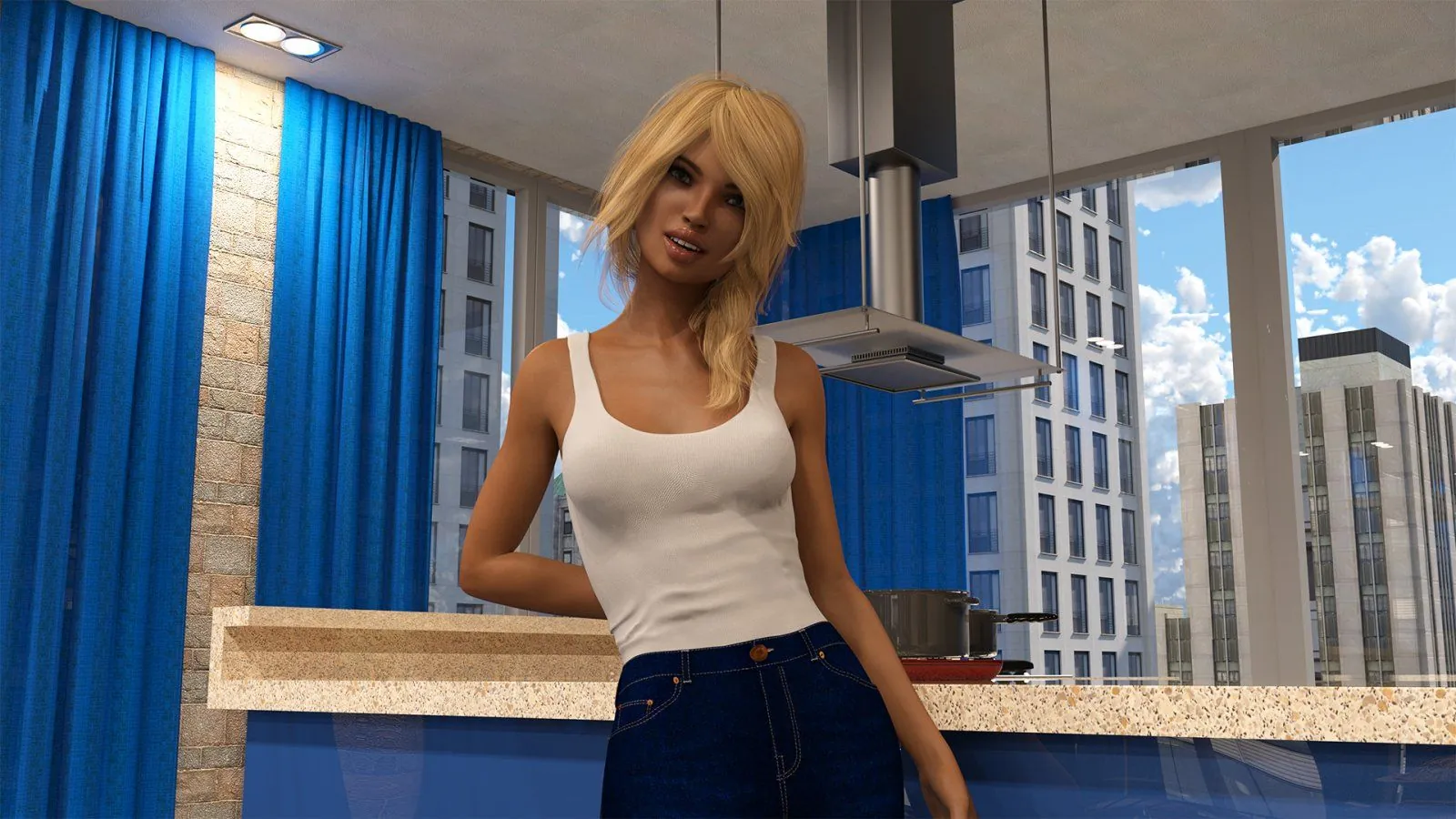
Where It All Began Screenshots
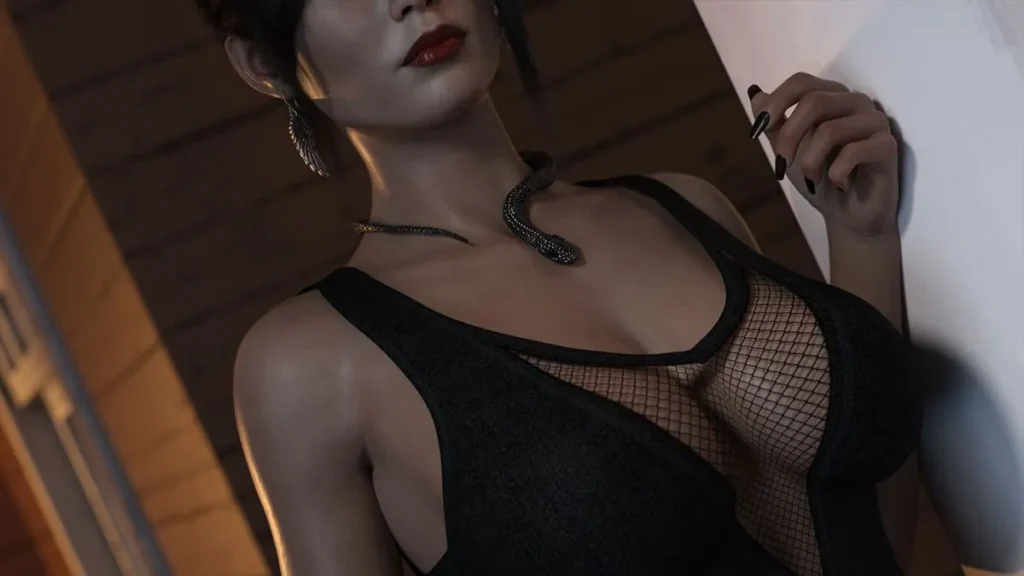
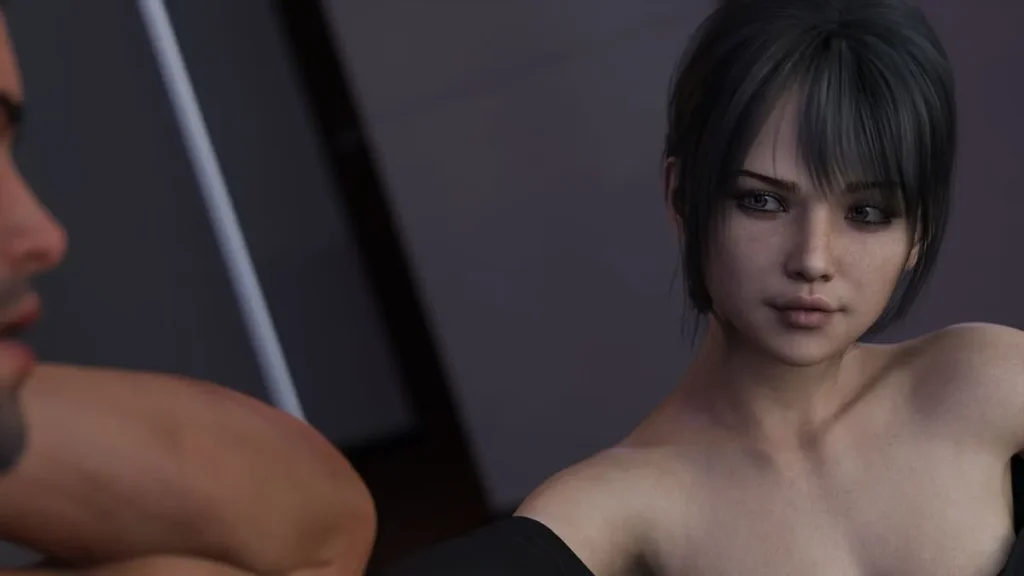

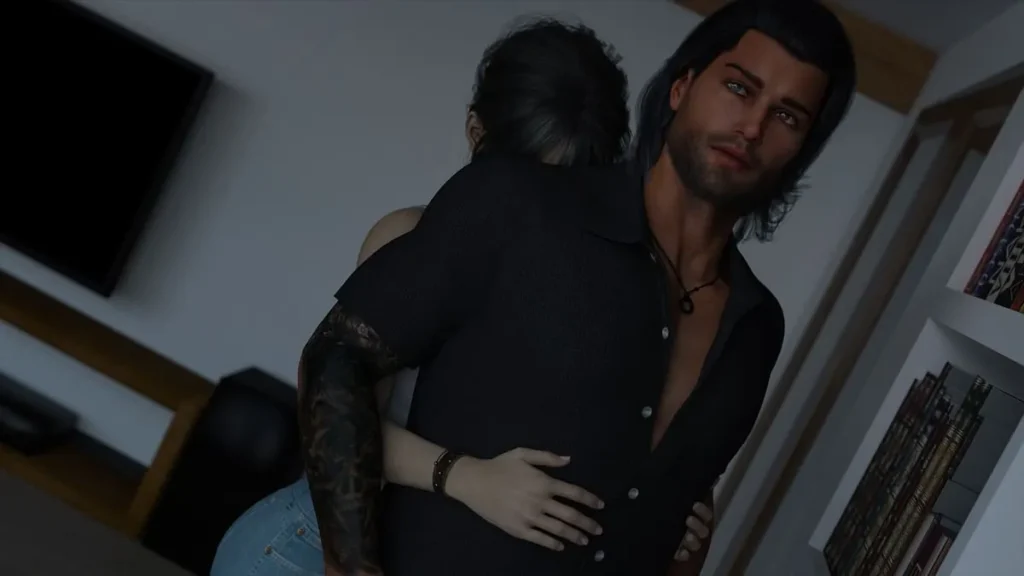


Where It All Began review
Dive into the suspenseful visual novel’s origins, gameplay, and immersive adult adventures
Imagine getting a mysterious call from your twin sister that pulls you back to your hometown, where secrets lurk in every shadow. That’s the gripping hook of Where It All Began, a suspenseful visual novel for adults that blends emotional tension, stunning 3DCG graphics, and interactive choices leading to steamy outcomes. I first stumbled upon this game during a late-night browse, and it hooked me instantly with its dual-timeline exploration and reality-bending puzzles. Whether you’re unraveling family mysteries or building intense relationships, this game delivers an unforgettable journey. In this guide, I’ll share everything from its captivating storyline to practical tips for maximizing your playthrough, so you can dive right in and uncover where it all truly began.
Unraveling the Mystery: What Makes Where It All Began Tick?
I still remember the first time I booted up Where It All Began. I was expecting a slow-burn mystery, maybe a few spooky vibes. I was not expecting my phone to ring within the first ten minutes—a call from my twin sister, Chloe, her voice a frantic whisper against a storm, pleading for help before the line went dead. 😱 My heart actually skipped a beat. That’s the power of this game. It doesn’t gently invite you in; it grabs you by the collar and throws you headfirst into its tense, emotionally charged world. That shocking opening is the brilliant spark for the entire Where It All Began storyline, a masterclass in instant engagement.
So, what is Where It All Began game? At its core, it’s a return to a hometown steeped in rain, regret, and things left unsaid. You play as Alex, summoned back after years away by that desperate call, only to find Chloe acting strangely normal, dismissing the entire event. This dissonance—between the terror in her voice and her calm denial—is the central engine of the twin sister mystery. Is she lying? Is she in danger? Or is something else, something tied to your fractured family history, at play? 🕵️♂️
How Does the Storyline Pull You In from the Start?
The Where It All Began storyline is a masterful blend of personal drama and creeping supernatural dread. It’s not just about solving a mystery; it’s about navigating the emotional minefield of a broken family. You’re immediately confronted with tense dinners, sidelong glances from townsfolk who remember your family’s scandals, and the hauntingly familiar yet changed face of your own sister.
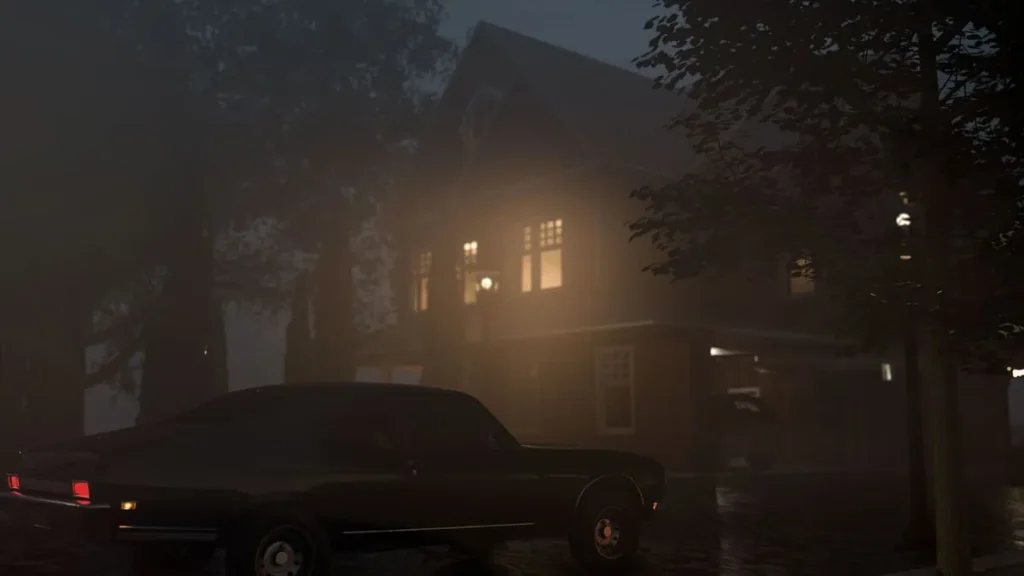
The game brilliantly uses its atmosphere as a character. The perpetually raining town of Westview is a prison of memories, every dripping gutter and fog-covered street corner whispering of the past. This immersive setting makes the investigation feel palpably real. You’re not just clicking through dialogue; you’re walking through the melancholy of a place time forgot, where every conversation is layered with subtext and every character seems to be guarding a piece of the puzzle. The genius is how it makes your personal, emotional quest to reconnect with Chloe feel inextricably linked to uncovering the town’s—and your family’s—rotten core. This is a family secrets visual novel of the highest order, where uncovering the truth means first dismantling the walls you’ve built around your own heart.
Exploring Dual Timelines and Hidden Family Secrets
One of the most innovative aspects of Where It All Began is its dual timeline exploration. The game isn’t content with just showing you the eerie present; it forces you to actively reconstruct the past. This isn’t just watching flashbacks—it’s interacting with them. You’ll shift between navigating the rain-slicked streets of present-day Westview and piecing together fragmented memories of key childhood events.
This is where the brilliant distortion puzzles explained come into play. The past isn’t clear; it’s glitched, distorted, like a corrupted VHS tape. To progress, you must “fix” these memories by interacting with the distortion. This might mean focusing on a flickering object to stabilize it, rearranging the elements of a scene to match a clue, or even “breaking” a digital glitch to reveal what’s hidden beneath. It’s a phenomenal metaphor for memory itself—messy, unreliable, and in need of careful interpretation to find the truth. 🧩 Solving these puzzles doesn’t just advance the plot; it feels like genuine psychological archaeology, digging through layers of trauma and forgotten moments.
Your choices in both timelines are crucial. An early, seemingly minor decision can radically alter your available paths later on. Will you confront a hostile townsman or defuse the situation? Will you press Chloe for answers or give her space? These moments branch the narrative in profound ways.
| Early Choice | Potential Story Branch |
|---|---|
| Aggressively investigate the town’s history | Unlocks a darker, more horror-focused path, aligning with suspicious characters and uncovering terrifying truths. |
| Focus on rebuilding trust with Chloe | Leads to deeper romantic or intimate developments, centering the story on your rekindled bond amidst the chaos. |
| Play all sides for information | Can create a complex “empire-building” route where you manipulate various factions, but risk ultimate betrayal from everyone. |
This structure makes the dual timeline exploration incredibly rewarding. Every revealed memory in the past contextually changes how you view characters and make choices in the present, creating a fantastically layered narrative loop.
Why the Trust Mechanics Change Everything
If the dual timelines are the game’s skeleton, then the trust mechanics in visual novels here are its beating heart. Where It All Began elevates choice-based gameplay beyond simple “good vs. evil” binaries. Every dialogue option, every decision to share or withhold information, directly impacts your trust level with key characters—most critically, with Chloe.
This system is what makes the twin sister mystery so agonizingly compelling. Is she secretly guiding you? Is she the victim? Or is she the villain? Your trust meter with her isn’t just a number; it’s the core dynamic of the game. Choosing to believe her bizarre excuses might increase intimacy and open up vulnerable, tender scenes. Conversely, expressing skepticism or investigating behind her back will fuel her paranoia and distance, potentially locking you out of her confidences and into a more孤立, horror-filled experience.
🎯 Pro Tip: There is no “right” way to play. A path where you distrust everyone, including Chloe, is just as valid and narratively rich as one where you strive for reconciliation. The game respects your paranoia as much as your compassion.
These trust mechanics in visual novels extend to the wider cast. The suspicious sheriff, the friendly bartender with a knowing look, the reclusive old woman on the edge of town—all have their own agendas and trust thresholds. Gaining someone’s aid might require betraying another’s confidence. This creates constant, delicious tension. You’re never just picking what to say; you’re strategically managing a web of fragile alliances in a town where everyone has something to hide. One playthrough might see the bartender become your most valuable ally, while in another, he might be the one who turns the town against you.
Let me give you a case study from my second playthrough. Early on, I found a cryptic old photo. In my first run, I showed it to Chloe immediately, seeking her insight. This built trust and led us to investigate together, strengthening our bond. The second time, haunted by a bad ending, I showed it to the nosy town historian instead. He provided crucial context Chloe had omitted, but when she found out, it shattered her trust in me. That single choice diverted the entire narrative onto a path where I was now solving the mystery against my sister, with the historian as a reluctant—and untrustworthy—guide. The story became colder, more sinister, and ultimately, tragically different. That’s the reactive, living world this game creates.
Putting It All Together for the Ultimate Experience
The fusion of a gripping Where It All Began storyline, mind-bending dual timeline exploration, and delicate trust mechanics is what creates staggering replayability. You’re not replaying to see a few different lines of text; you’re embarking on a fundamentally different emotional and narrative journey. The family secrets visual novel genre often hints at consequences, but here, they are deeply woven into the fabric of every scene.
So, what’s the best way to dive in? My actionable advice is simple:
- Save Often, and in Multiple Slots. 🗂️ You’ll want to revisit key decision points. Don’t just overwrite one save file.
- Role-play, Don’t Meta-game. On your first playthrough, make choices as you truly feel in the moment. Let the emotions guide you. The most powerful endings come from authentic reactions.
- Embrace the “Wrong” Choice. Be bold, be suspicious, be confrontational. Some of the most fascinating story branches and character revelations come from paths that feel risky or “incorrect.”
- Pay Attention to Everything. The distortion puzzles and environmental clues often hold the keys to understanding the bigger picture. The truth is hidden in the glitches and the gaps.
Where It All Began is more than a game; it’s an experience in narrative tension and emotional consequence. It understands that the deepest mysteries aren’t about hidden treasures or ancient curses, but about the people we love, the things they hide, and the terrifying, beautiful risk of choosing to trust them.
FAQ: Your Where It All Began Questions, Answered
Q: Does the sister’s reliability change based on my choices, or is her nature fixed?
A: Without spoilers, this is the central question of the game! Chloe’s behavior and the truths she reveals are directly molded by your actions and the trust you build (or break). Her role in the story is dynamically shaped by your path.
Q: Are the distortion puzzles very difficult?
A: They’re designed for atmosphere and intuition rather than brutal difficulty. Think of them as interactive, moody brain teasers. If you get stuck, try interacting with every glitched element in the scene—the solution is always logical within the memory’s context.
Q: How long is a typical playthrough, and how different are the endings?
A: A single focused path can take 6-8 hours. The endings, however, can vary dramatically—from bittersweet and hopeful to downright tragic and horrifying. The major branches offer completely different final acts and revelations about the core twin sister mystery and family secrets.
From the mysterious call that draws you home to the mind-bending puzzles and heartfelt reconnections, Where It All Began masterfully weaves suspense, romance, and adult thrills into an interactive masterpiece. My own journey through its timelines taught me how one choice can reshape everything, leaving me replaying for those hidden endings. If you’re craving a visual novel that hits emotional depths while delivering steamy encounters, this is your starting point. Grab it on your platform of choice, experiment with those trust-building dialogues, and let the story unfold. What’s your first big decision going to be? Dive in today and discover where it all began for you.